



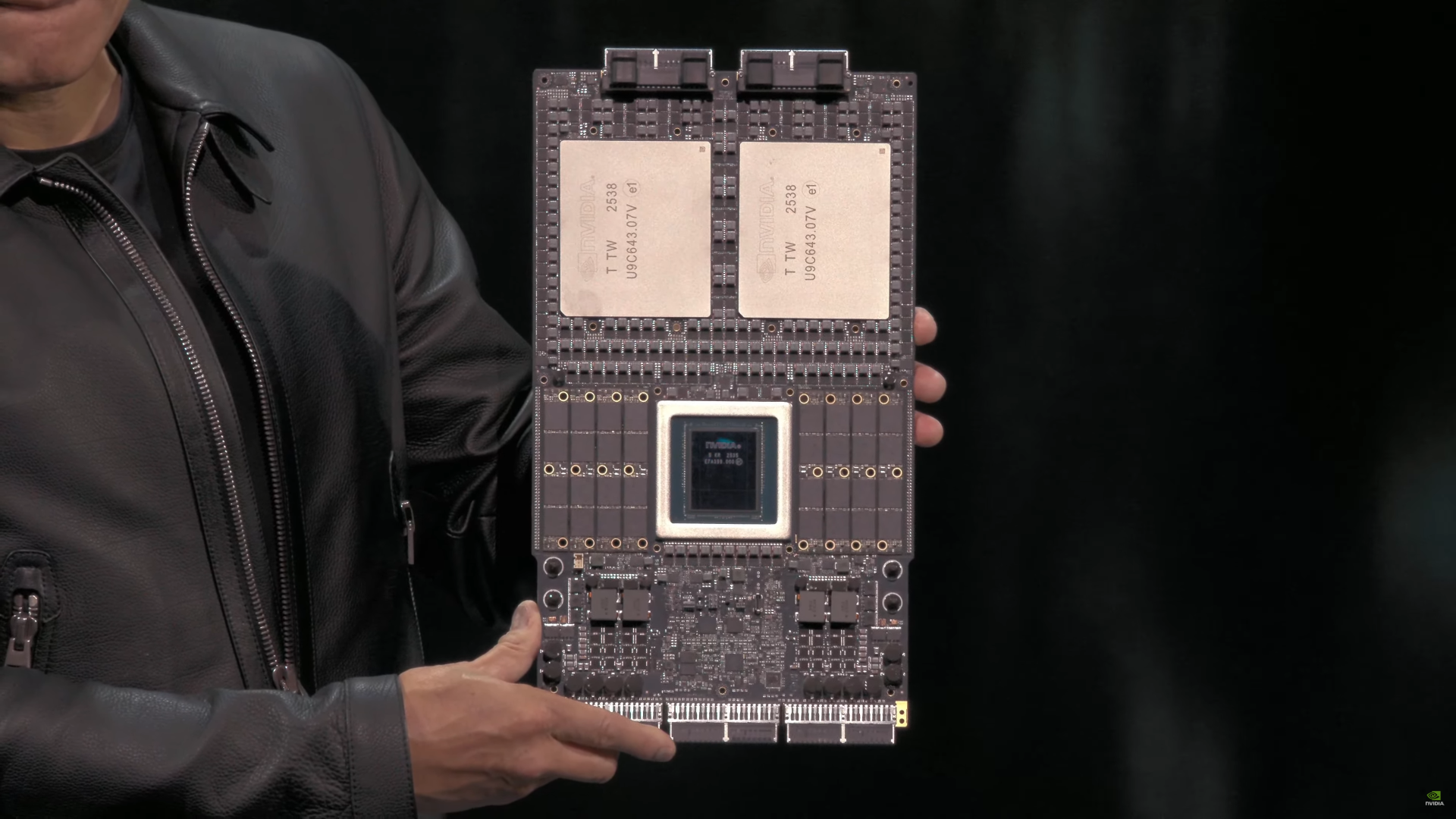
NVIDIA’s Vera Rubin production ramp is reportedly adding fresh pressure to the NAND flash market, with 512Gb TLC NAND spot prices climbing back to $21 after falling below that level in June.
The supply pressure is being linked to two major sources of demand. One is NVIDIA’s new Context Memory eXtension, or CMX, architecture for Vera Rubin. The other is rising demand for enterprise SSDs across AI data centers.
Together, those workloads could absorb large amounts of TLC NAND as Vera Rubin deployments expand.
Vera Rubin is adding a new storage layer around AI GPUs
| Area | Detail |
|---|---|
| NAND type | TLC flash |
| 512Gb spot price | $21 |
| Main NVIDIA demand driver | Context Memory eXtension |
| CMX server capacity | 600TB |
| Capacity per DPU | 150TB |
| Pod level CMX capacity | 9.6PB |
| Connectivity | BlueField 4 DPUs and Spectrum X Ethernet |
| Additional demand source | Enterprise SSDs |
CMX is designed to handle large amounts of context data generated during AI inference.
Modern language models rely on a KV cache, which stores information produced by attention layers as the model processes prompts. Keeping this data close to the compute infrastructure can improve efficiency when models handle long contexts or large numbers of requests.
NVIDIA is reportedly using CMX as an intermediate storage tier between HBM attached to the GPU and conventional backend storage.
A single CMX server can hold 600TB of TLC flash
The scale of the design helps explain why NAND demand could rise quickly.
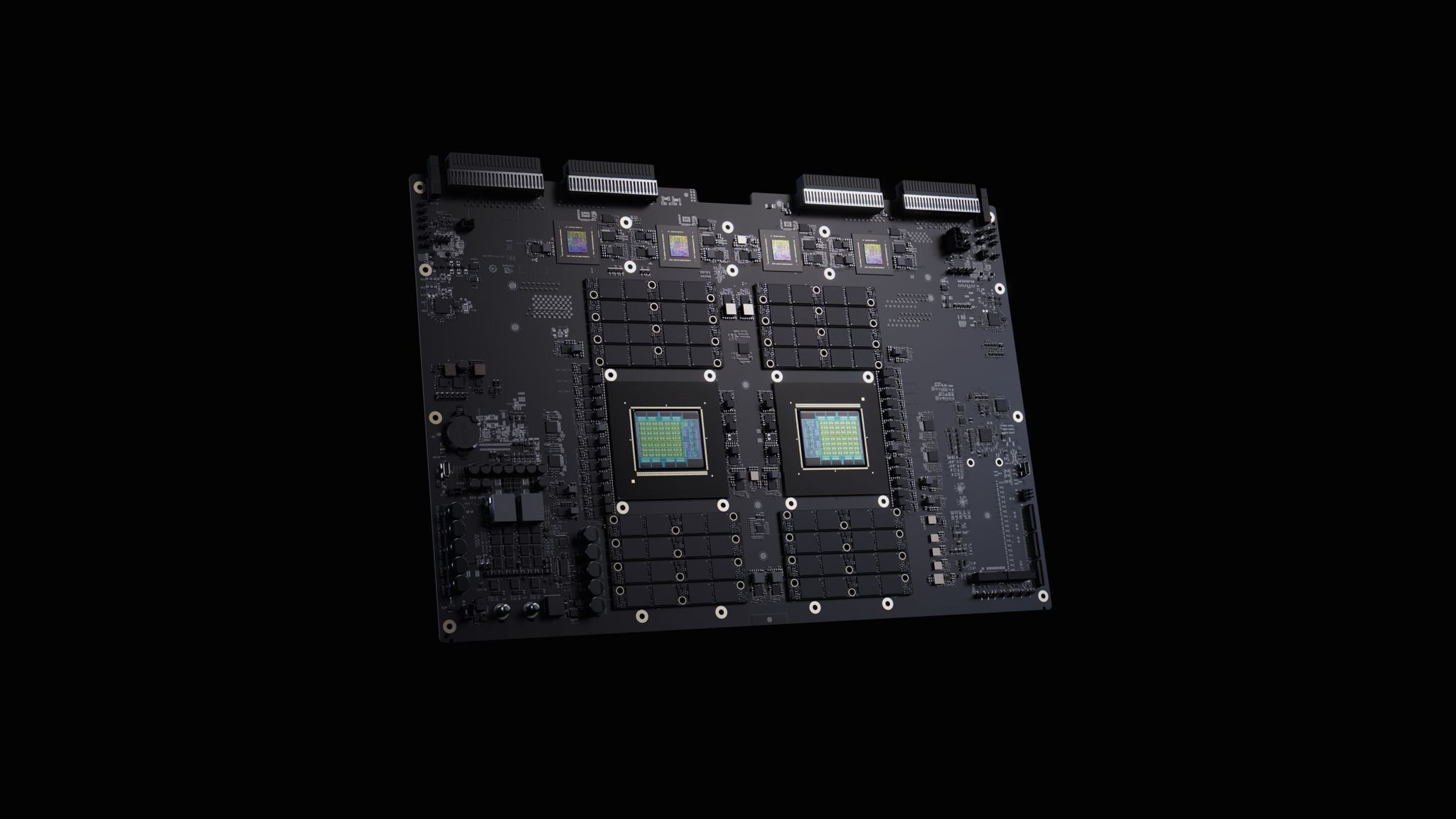
A single 2U CMX server is said to contain 600TB of TLC flash storage. Four BlueField 4 DPUs each manage 150TB of context memory.
At the pod level, total CMX storage can reach 9,600TB, or 9.6PB.
That creates a new source of NAND consumption directly tied to AI accelerator deployments.
The architecture uses Spectrum X Ethernet to connect the storage layer to Rubin GPU clusters, while BlueField 4 handles the movement and management of context data in real time.
Enterprise SSD demand is rising at the same time
CMX is only part of the pressure.
AI data centers also need high capacity enterprise SSDs for training data, inference workloads and general storage.
As Vera Rubin deployments grow, demand for these drives is expected to rise as well.
Much of NVIDIA’s NAND supply is likely covered through long term contracts, which means not all of its purchasing activity appears directly in the spot market.
However, if large buyers lock in more NAND through contracts, less supply can remain available for open market purchasing. That can still push spot prices higher.
Consumer SSD pricing could feel the effects
The return of 512Gb TLC NAND to $21 is another sign that the storage market remains under pressure.
If AI infrastructure continues absorbing large amounts of flash, consumer SSD manufacturers could face higher component costs and tighter availability.
That would reinforce the broader trend already affecting memory and storage pricing in 2026.
The situation also comes as industry executives warn that adding new NAND production capacity can take years, which limits how quickly supply can respond.
For now, Vera Rubin is becoming important not only for GPU and HBM demand, but also for storage. Its CMX architecture adds another large pool of TLC NAND consumption, while enterprise SSD requirements rise alongside the broader AI infrastructure buildout.



Discussion (0)
Be the first to comment.