



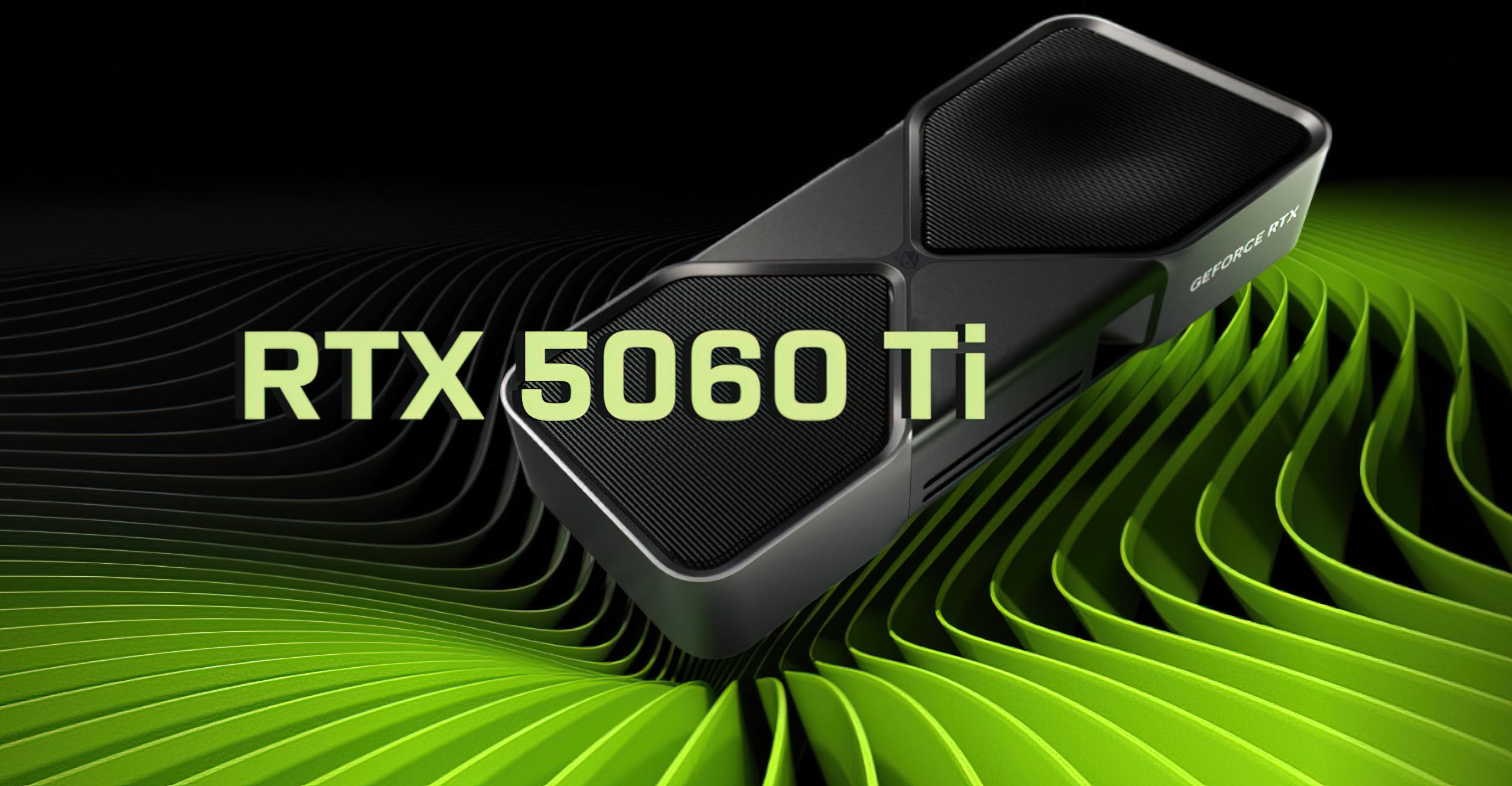
The price of at least one NVIDIA GeForce RTX 5060 model has risen sharply in China, suggesting that higher memory costs are beginning to affect more affordable graphics cards.
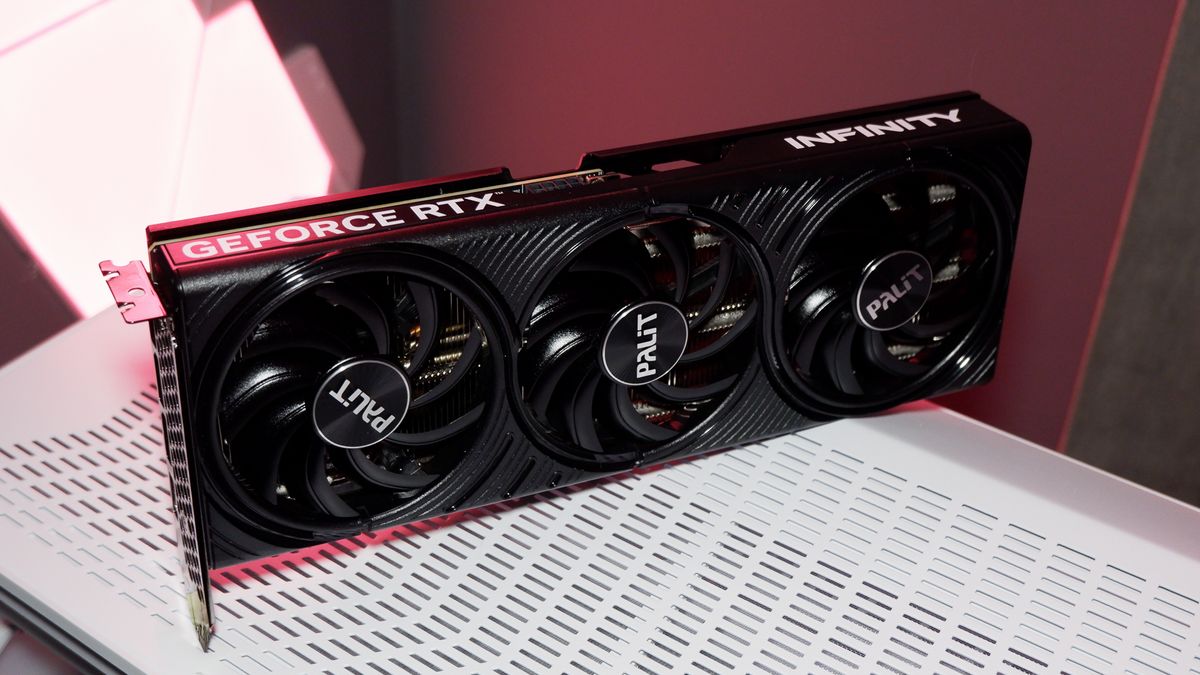
A Gigabyte GeForce RTX 5060 Eagle OC SFF 8GB was reportedly listed at 3,215 yuan, or about $475. Similar RTX 5060 cards were selling for roughly 2,600 to 2,700 yuan only days earlier, placing the increase at around $75.
The new listing represents an increase of approximately 16% in less than a week. It also pushes the model well above the price normally associated with NVIDIA’s entry-level RTX 50 series desktop card.
The increase follows reports that NVIDIA informed board partners about higher prices for graphics processor and memory packages. It is not yet clear whether the change applies broadly across the RTX 5060 range or only to selected models and retailers.
| Detail | Reported figure |
|---|---|
| Graphics card | Gigabyte RTX 5060 Eagle OC SFF 8GB |
| Earlier China price | Around 2,600 to 2,700 yuan |
| New listed price | 3,215 yuan |
| Approximate dollar increase | $75 |
| Percentage increase | Around 16% |
| Current US price reference | Around $350 |
| Video memory | 8GB |
Budget RTX 50 series cards may no longer avoid the memory price increase
Higher-end RTX 50 series graphics cards have already been affected by rising component costs, with some models selling 20% to 30% above prices seen before the latest memory shortage.
Entry-level cards had remained more stable because they use less memory and are sold in a more price-sensitive part of the market.
The RTX 5060 listing suggests that this protection may be ending.
Graphics card manufacturers purchase complete GPU and memory packages before building their individual models. When the cost of these kits rises, board partners must either absorb the difference, reduce their margins or pass the increase to retailers and customers.
The final retail price can also be influenced by regional availability, distributor markups and stock levels. One unusually expensive listing does not confirm that every RTX 5060 will receive the same increase.
However, the timing makes a broader adjustment plausible if partners are already paying more for the hardware needed to manufacture new cards.
Memory supply pressure is spreading across PC hardware
Graphics cards are not the only products affected by the current memory market.
AI infrastructure is consuming large volumes of HBM, server DRAM and other memory products. Manufacturers are directing more capacity towards these high-value markets, placing additional pressure on supplies used in consumer electronics.
Graphics cards rely on GDDR6 or GDDR7 memory, depending on the model. When prices for these components rise, the effect can spread through the entire GPU range.
The same pressure is affecting laptops, desktop memory kits, smartphones and other devices that depend on DRAM.
Framework recently raised prices for high-memory laptop configurations after the cost of some modules increased sharply. Similar changes may reach other manufacturers as existing component contracts expire and new supply agreements are signed.
The extent of the increase will depend on how long the shortage continues and whether memory manufacturers can add enough production capacity.
RTX 5060 prices remain lower in the United States for now
The RTX 5060 can still be found near $350 in the United States, according to the supplied report.
That does not guarantee prices will remain at that level.
Regional markets often react at different speeds because retailers hold inventory purchased under earlier contracts. Prices may stay stable until those cards are sold and replaced by stock acquired at higher wholesale costs.
China may be showing the effect sooner because of local supply conditions, distributor decisions or faster movement through available inventory.
There is also no confirmation that NVIDIA has changed the official suggested retail price of the RTX 5060.
A higher store listing can result from limited stock or retailer behaviour rather than a formal change from the GPU manufacturer.
Customers should therefore compare several models and sellers rather than treating one listing as the new standard price.
Eight gigabytes of VRAM makes the increase harder to justify
The RTX 5060 is positioned as an affordable graphics card and includes 8GB of video memory.
That capacity is already a concern for some modern games at higher texture settings or resolutions. A substantial price increase makes the card less attractive because buyers may begin comparing it with older high-end models or competing products with more memory.
At $475, the Gigabyte model enters a different part of the market from its usual position.
Its value would depend on local prices for alternatives, including other RTX 5060 variants, AMD Radeon cards and remaining stock from earlier GPU generations.
The increase also narrows the gap between entry-level and faster models. If a higher-tier card costs only slightly more, customers may decide that the additional performance and memory capacity provide better long-term value.
This creates a challenge for board partners because budget cards depend heavily on maintaining a clear price advantage.
Retailers may begin holding stock as further increases are expected
Reports from China suggest that some shops are accumulating graphics cards in anticipation of additional price increases.
Stockpiling can make shortages worse by reducing the number of cards available at normal retail prices.
Retailers may delay sales if they believe the same inventory will be worth more later. Distributors can also raise prices when replacement stock becomes more expensive.
This behaviour can create rapid market changes even before the underlying component shortage becomes severe.
Customers may see different prices for the same card across several stores, with some sellers using older stock and others reflecting the latest wholesale costs.
The situation can also encourage speculative buying, which places additional pressure on availability.
The full impact on the global GPU market remains uncertain
The RTX 5060 increase in China is an early sign rather than proof of a worldwide price change.
The available information does not confirm how many units were sold at the higher price, whether other manufacturers have followed or how long the listing will remain elevated.
NVIDIA’s reported memory kit increase suggests that newly produced cards will cost partners more, but individual companies may respond differently.
Some may raise prices immediately. Others may accept lower margins temporarily or use promotional discounts to keep products competitive.
Regional pricing will also depend on currency movements, taxes, shipping costs and existing inventory.
For now, the RTX 5060 remains available near its earlier price in some markets. Buyers who were already planning an upgrade may want to monitor several retailers closely because the gap between old and new stock could widen quickly.
The sudden Chinese listing shows that the memory shortage is no longer limited to premium AI hardware and expensive graphics cards. If component costs remain high, budget gaming GPUs may face the same upward pressure throughout the rest of 2026.

Discussion (0)
Be the first to comment.