



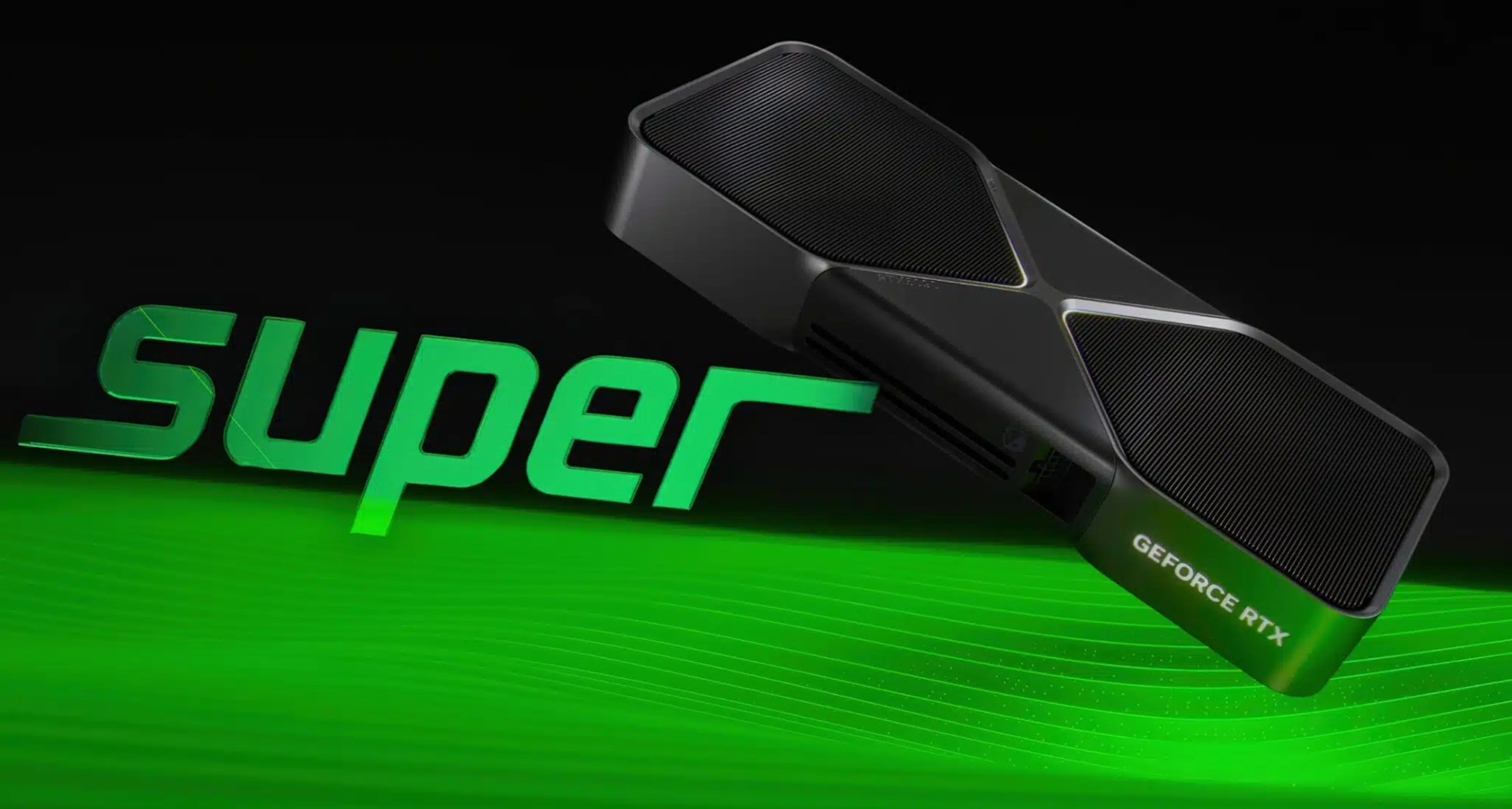
NVIDIA’s GeForce RTX 50 Super graphics cards may already be in the hands of at least one board partner, but the company has reportedly stopped vendors from selling them while it decides how to handle rising memory costs.
The refreshed Blackwell lineup is said to include the RTX 5070 Super, RTX 5070 Ti Super, and RTX 5080 Super. A possible RTX 5050 model with 9GB of memory has also been discussed, while a separate RTX 5060 Super with 12GB remains unconfirmed.
None of these graphics cards has been officially announced, and their specifications, prices, and release dates could still change. The latest information should therefore be treated as a rumor rather than a confirmed product launch.
The main problem appears to be the cost of higher capacity GDDR7 memory modules. The planned Super cards reportedly use 3GB chips to provide considerably more video memory than the existing RTX 50 series models.
Three gigabyte GDDR7 modules could make the Super refresh expensive
A 3GB GDDR7 memory module reportedly costs between $60 and $70, compared with about $20 for a 2GB module. If accurate, that difference would create a substantial increase in the manufacturing cost of cards using several memory chips.
The rumored RTX 5080 Super and RTX 5070 Ti Super both have 24GB of GDDR7 memory, increasing capacity by 50 percent over the 16GB offered by their current versions.
The RTX 5070 Super reportedly moves from 12GB to 18GB, which would also represent a 50 percent increase. These capacities fit naturally with 3GB modules, but the higher prices could make it difficult for NVIDIA to maintain attractive retail pricing.
| Graphics card | Reported memory | Current model memory | Reported CUDA cores | Reported power |
|---|---|---|---|---|
| RTX 5080 Super | 24GB GDDR7 | 16GB GDDR7 | 10,752 | 415W |
| RTX 5070 Ti Super | 24GB GDDR7 | 16GB GDDR7 | 8,960 | 350W |
| RTX 5070 Super | 18GB GDDR7 | 12GB GDDR7 | 6,400 | 275W |
| RTX 5050 9GB | 9GB GDDR7 | 8GB on current model | Unconfirmed | Unconfirmed |
Memory prices are already volatile because demand from AI infrastructure and other computing markets continues to place pressure on supply. NVIDIA may therefore be reluctant to finalize prices until it has a clearer view of future GDDR7 costs.
A launch at overly high prices could weaken demand, while selling the cards too cheaply could reduce margins if memory costs rise further.
The RTX 5080 Super may rely more on memory than extra processing power
Preliminary specifications suggest that the RTX 5080 Super would use the same 10,752 CUDA cores as the existing RTX 5080. Its main upgrades would be faster 32Gbps memory, 24GB of capacity, and a higher total board power of 415W.
The current RTX 5080 has 16GB of 30Gbps memory and a 360W power rating. If the rumored specifications are accurate, the Super version may improve performance through additional memory bandwidth and higher power limits rather than a larger number of active cores.
The RTX 5070 Ti Super follows a similar pattern. It reportedly retains 8,960 CUDA cores but increases memory from 16GB to 24GB. Its power rating may rise from 300W to 350W.
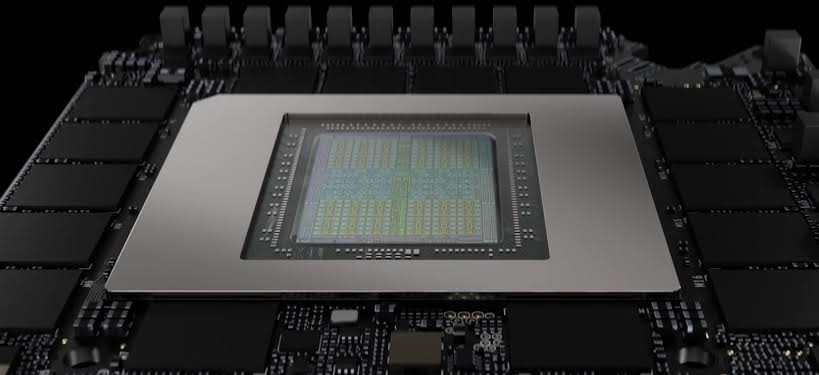
The RTX 5070 Super could receive a more direct processing upgrade. Rumors point to 6,400 CUDA cores, compared with 6,144 on the regular RTX 5070. Memory capacity would increase from 12GB to 18GB, while power could rise from 250W to 275W.
These changes could make the refreshed cards more useful for games with large texture requirements, high resolution rendering, content creation, and AI workloads. However, additional memory does not guarantee a large frame rate improvement when the underlying GPU configuration changes only slightly.
A rumored RTX 5050 9GB may have been cancelled
NVIDIA reportedly prepared an RTX 5050 with 9GB of GDDR7 memory, adding 1GB over the existing model. That card may have been cancelled because using expensive 3GB modules would make little financial sense in the budget segment.
The recent return of the GeForce RTX 3060 with 12GB of memory may be connected to this issue. An older card with established production costs could provide a more practical option for buyers who need additional memory without paying for a newer high priced product.
A possible RTX 5060 Super with 12GB has also appeared in rumors. Such a model could address criticism of limited video memory in mainstream graphics cards, but no reliable launch details have been confirmed.
The reported delivery of finished cards to a board partner suggests that development may be advanced. However, physical readiness does not guarantee an immediate launch. NVIDIA could change specifications, delay production, revise prices, or cancel individual models before making an announcement.
For now, the GeForce RTX 50 Super lineup remains unconfirmed. Memory pricing appears to be the main factor preventing NVIDIA from deciding when, and possibly whether, the refreshed graphics cards will reach stores.


Discussion (0)
Be the first to comment.