



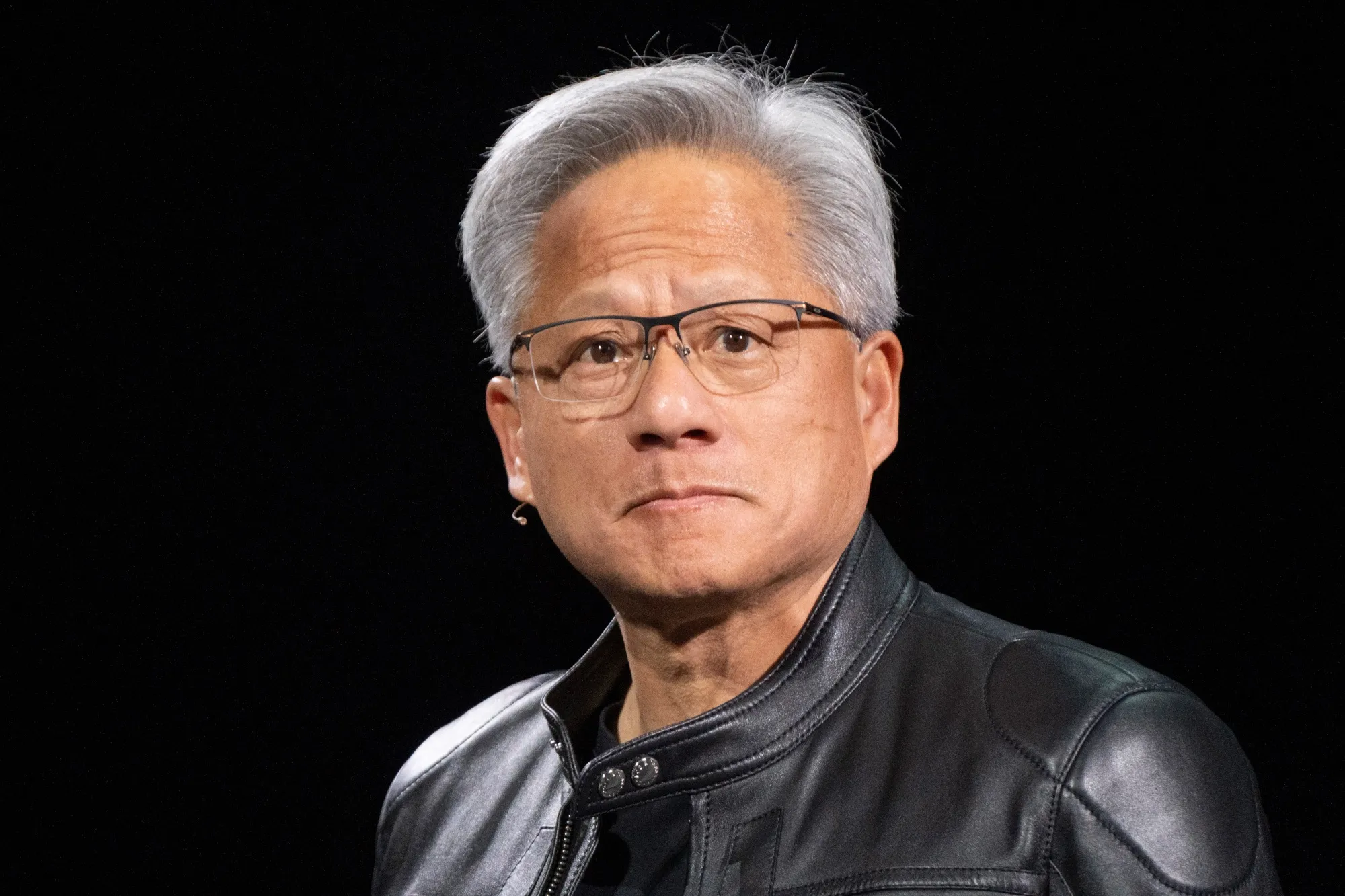
Nvidia CEO Jensen Huang has called on Super Micro Computer to strengthen its export compliance controls after a major smuggling case involving Nvidia powered AI servers. His comments came after U.S. prosecutors charged Supermicro co founder Yih Shyan “Wally” Liaw and two others with allegedly conspiring to move around $2.5 billion worth of Nvidia equipped servers to China through shell companies in Southeast Asia.
Speaking to reporters after arriving at Taipei’s Songshan Airport, Huang said Nvidia expects its partners to follow U.S. trade rules. He said the company insists that partners remain compliant and hopes they improve internal controls to stop similar incidents from happening again.
Taiwan begins its own crackdown as AI chip smuggling becomes a bigger enforcement issue
The comments come as Taiwan has also started taking formal action against suspected AI hardware smuggling. The Keelung District Prosecutors’ Office recently announced that three suspects had submitted false shipping declarations to export Super Micro servers containing Nvidia AI chips to China, Hong Kong, and Macau.
This Taiwan case is separate from the larger U.S. prosecution, but both point to the same wider problem. Nvidia’s AI chips are in extremely high demand, especially as governments tighten export controls around advanced computing hardware. That demand has created more pressure around indirect shipments, shell companies, and attempts to move restricted technology through third countries.
| Key point | Detail |
|---|---|
| Company involved | Super Micro Computer |
| Nvidia comment | Jensen Huang urged stronger compliance controls |
| Larger U.S. case | Around $2.5 billion in Nvidia equipped servers allegedly smuggled |
| Taiwan case | False declarations allegedly used to export servers with Nvidia AI chips |
| Destination mentioned | China, Hong Kong, and Macau |
| Supermicro status | Not named as a defendant and says it is cooperating |
| Co founder status | Yih Shyan “Wally” Liaw has pleaded not guilty |
Supermicro has said it is not named as a defendant in the U.S. case and is cooperating with the investigation. Liaw has pleaded not guilty. That means the case is still moving through the legal process, and the allegations have not yet been proven in court.
Huang also discussed China’s role in Nvidia’s future market plans. He confirmed that China is included in the $200 billion addressable market Nvidia has projected for its upcoming Vera CPU. He said the Chinese market is very large and important, and noted that the H200 has been licensed for shipment to China.
However, shipments still appear stalled. The report says no H200 chips have been delivered to Chinese customers yet, even though around 10 Chinese firms have reportedly been cleared to buy them. Recent talks between U.S. President Donald Trump and Chinese President Xi Jinping also did not produce a breakthrough on Nvidia chip sales.
The timing is important because Huang is in Taipei ahead of Nvidia’s GTC Taipei event and his Computex keynote on June 1. He is expected to talk more about the Vera Rubin platform, which he described as one of the largest product launches in Taiwan’s history. Each Vera Rubin NVL72 system reportedly includes nearly 2 million parts and involves about 150 Taiwanese ecosystem partners.
The broader message is clear. Nvidia still sees China as a major AI market, but export controls and smuggling concerns are making that business harder to manage. For hardware partners such as Supermicro, compliance is now more than a legal formality. It is becoming central to whether companies can safely participate in the global AI supply chain.
The alleged smuggling cases also show how intense the AI race has become. Advanced GPUs and AI servers are no longer just expensive data center products. They are now strategic technology controlled by trade rules, national security concerns, and international enforcement efforts. For Nvidia, the challenge is to keep serving approved markets while making sure its hardware does not end up where regulators say it should not go.



Discussion (0)
Be the first to comment.