



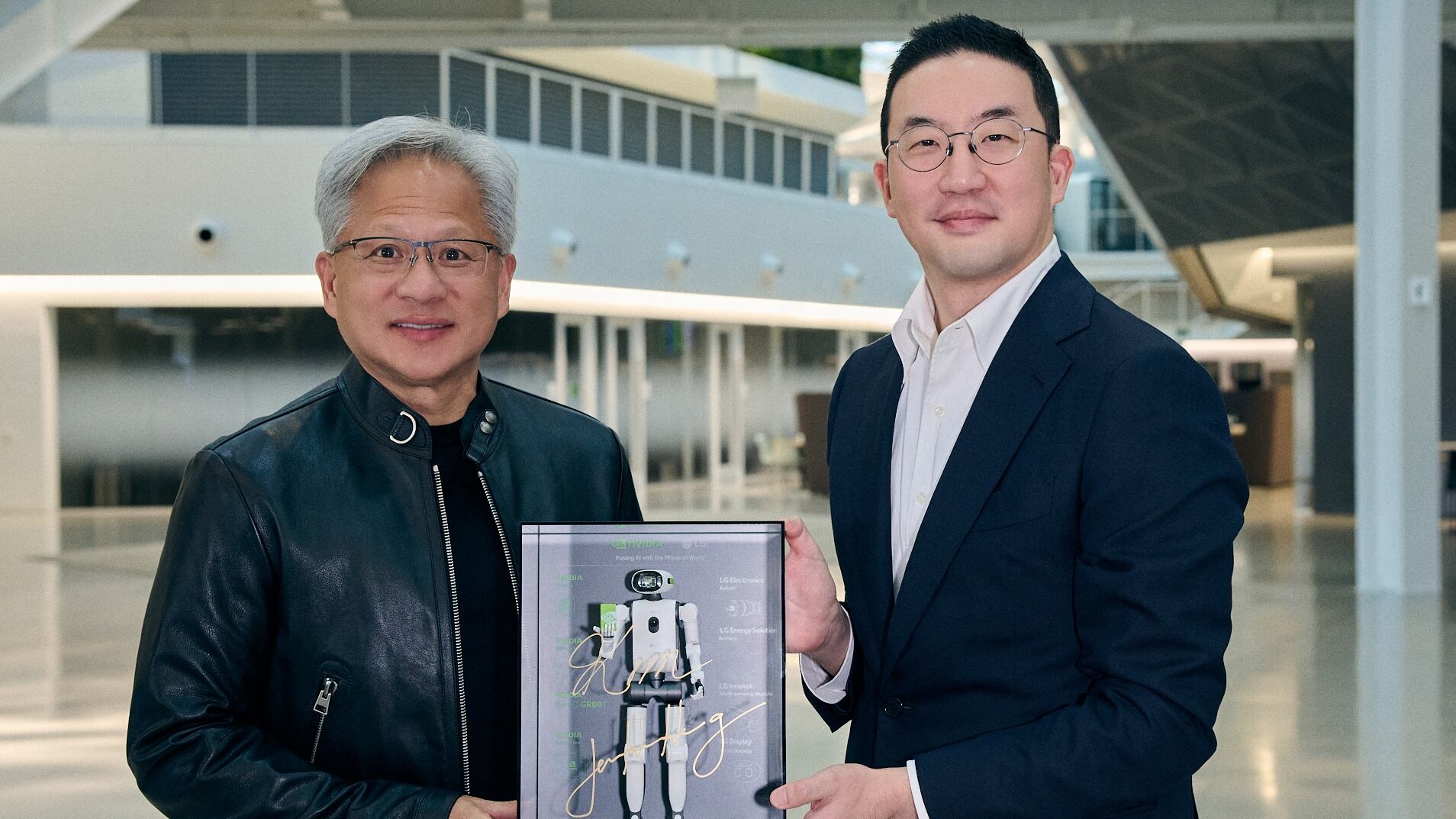
NVIDIA and LG are expanding their partnership across robotics, AI infrastructure and automotive systems, with new projects covering humanoid robots, Vera Rubin based AI factories and next generation vehicles.
The two companies signed a memorandum of understanding at NVIDIA’s headquarters in Santa Clara, California, moving their collaboration into a broader execution phase.
LG plans to use NVIDIA technology across several areas, including bipedal humanoid robots, factory automation and AI defined vehicles.
LG plans a new humanoid robot for 2027
| Area | Planned technology or project |
|---|---|
| Humanoid robot | NVIDIA Isaac GR00T, Jetson Thor and Halos |
| Public debut | First quarter of 2027 |
| Factory robot | LG CLOiD |
| Initial validation | LG washing machine factory in Tennessee |
| AI factory | NVIDIA DSX and Vera Rubin |
| First reference site | Expected in 2027 |
| Larger AI factory | 80MW site in Cheonan |
| Larger site timing | First half of 2028 |
| Automotive platform | NVIDIA DRIVE Hyperion |
LG is developing a new bipedal humanoid robot that is expected to be shown publicly in the first quarter of 2027.
The robot will use NVIDIA Jetson Thor for onboard computing and will also rely on NVIDIA Isaac GR00T, NVIDIA Halos and an Open Humanoid Foundation model.
The companies are also working on the data and training systems needed to improve these robots over time.
LG will separately deploy its CLOiD robot, which uses a wheeled design, inside the company’s washing machine manufacturing operation in Tennessee.
The plan is to validate the robots in real production environments before expanding their use more broadly across factories.
Vera Rubin will power new LG AI factories
The partnership also includes new AI infrastructure.
LG plans to build an AI factory reference site using NVIDIA’s DSX architecture and Vera Rubin platform.
That site is expected to come online in 2027.
A much larger 80MW AI factory is also planned for Cheonan, with completion expected during the first half of 2028.
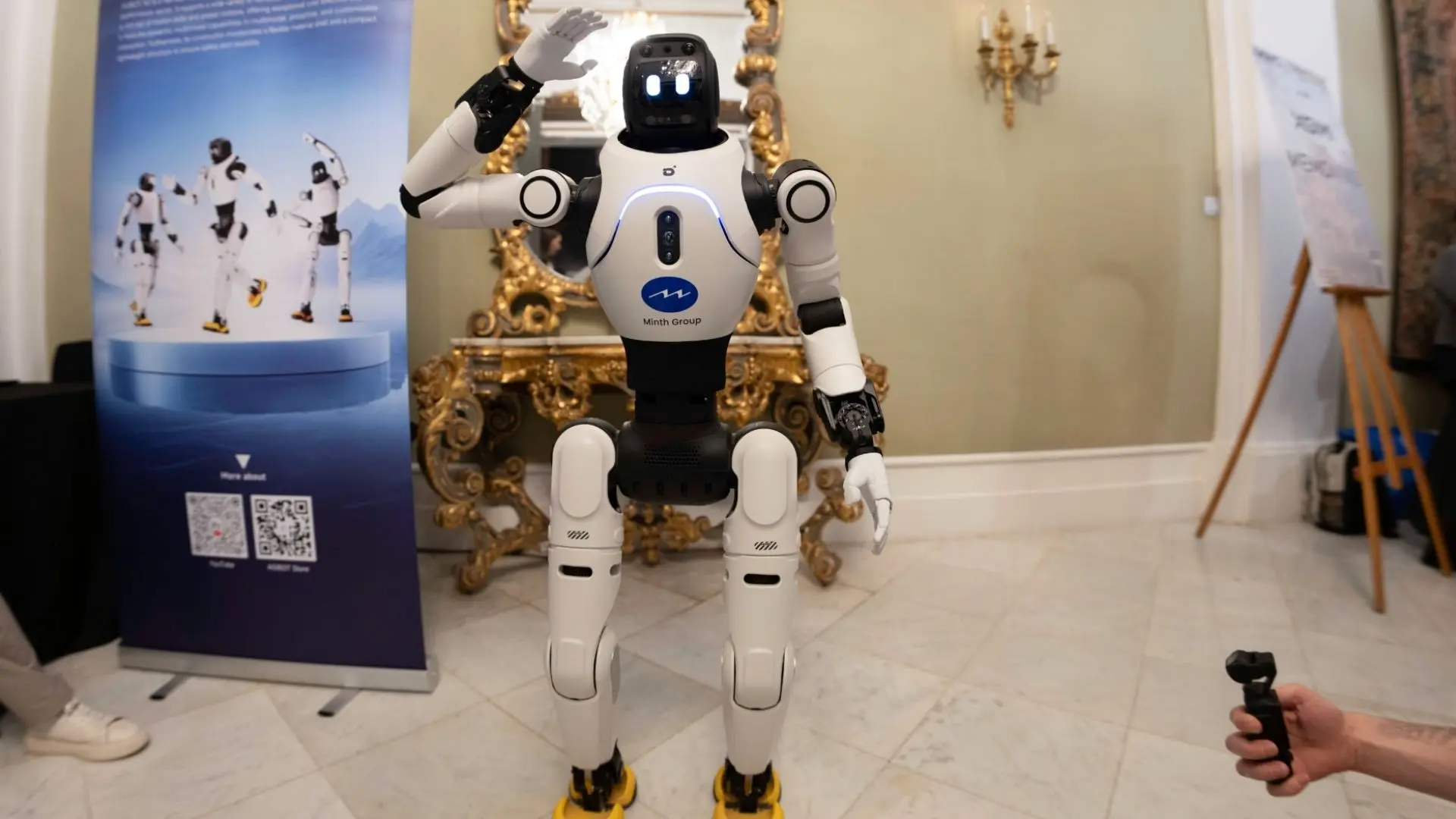
The larger site will focus on physical AI and robotics workloads, providing compute infrastructure for developing, training and improving intelligent machines.
These projects show how AI infrastructure is expanding beyond traditional language model workloads and into systems that need to understand and act within the physical world.
NVIDIA DRIVE Hyperion will support future LG vehicles
Automotive technology forms the third major part of the collaboration.
LG plans to use NVIDIA DRIVE Hyperion as the foundation for a next generation AI defined vehicle platform.
The technology will support areas such as autonomous driving, infotainment and other vehicle software capabilities.
LG already has a major presence in automotive electronics, so integrating NVIDIA’s hardware and software platform could allow the company to expand further into centralized vehicle computing and AI based driving functions.
Physical AI becomes a broader focus
The partnership reflects NVIDIA’s growing focus on what it calls physical AI.
The idea is to extend AI from software running in data centers into machines that interact directly with the physical world, including robots, vehicles and industrial systems.
For LG, the collaboration provides access to NVIDIA’s robotics models, embedded computing platforms, safety technology and data center hardware.
For NVIDIA, LG offers manufacturing experience and real world deployment environments across appliances, factories and automotive systems.
The two companies are therefore working across the full stack, from training infrastructure and foundation models to actual robots and vehicles.
If the planned timelines hold, the first visible results should arrive in 2027 with LG’s new humanoid robot and Vera Rubin based AI factory, followed by the larger Cheonan facility in 2028.



Discussion (0)
Be the first to comment.