



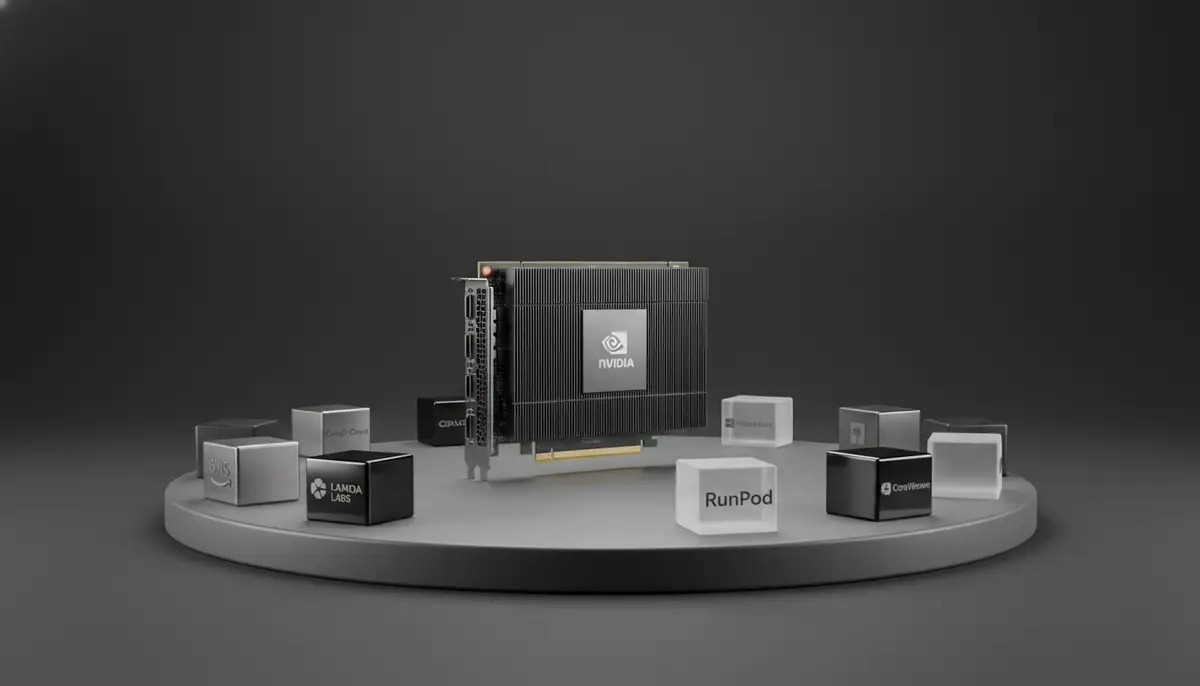
Rental prices for several generations of NVIDIA data centre GPUs have continued to increase during 2026, challenging the idea that older AI accelerators quickly lose their commercial value when newer hardware arrives.
Market data cited in the report shows that hourly rental rates for the H100 have moved above $2 and are approaching $3, compared with just under $2 at the start of the year. The newer B200 has also increased from slightly below $5 per hour in January to roughly $5.50 to $5.80.
Older models, including the A100, are reportedly seeing stronger pricing as well. The trend suggests that demand for AI computing remains high enough to support multiple generations of hardware rather than shifting entirely toward the latest processors.
This does not prove that AI infrastructure is free from overinvestment risks. However, rising rental prices indicate that available GPU capacity is still valuable across cloud platforms and specialised compute providers.
NVIDIA GPU rental rates continue moving higher
The B200 currently commands the highest hourly price among the GPUs discussed, while the H100 remains widely used for model training and inference.
| NVIDIA GPU | Approximate January 2026 rate | Recent reported rate |
|---|---|---|
| H100 | Just under $2 per hour | Above $2 and approaching $3 |
| B200 | Just under $5 per hour | Around $5.50 to $5.80 |
| A100 | Not specified | Reportedly increasing |
| H200 | Not specified | Reportedly increasing |
The available figures come from rental market data rather than NVIDIA’s official selling prices. Rates can vary based on the provider, contract length, region, networking, storage, software environment, and whether the GPU is rented individually or as part of a larger cluster.
Spot rental prices can also change quickly when supply is limited or customers need hardware immediately.
Older GPUs remain commercially useful
AI hardware does not become unusable when a faster generation launches.
The H100 and A100 may offer lower performance than the B200, but they still support a wide range of workloads. These include model fine tuning, inference, embeddings, image generation, data processing, and smaller training jobs.
| GPU generation | Typical commercial role |
|---|---|
| A100 | Established training, inference, and research workloads |
| H100 | Large model training and high performance inference |
| H200 | Memory intensive AI workloads |
| B200 | Newer large scale training and inference clusters |
Older GPUs may also become more attractive when software improvements allow companies to complete more work on the same hardware.
Better kernels, quantisation, batching, model compression, and inference engines can increase the number of tokens generated per second without replacing the physical accelerator.
This raises the economic output of each GPU and can help older hardware retain its rental value.
Software efficiency can increase demand for compute
Greater efficiency does not always reduce total demand.
When AI inference becomes cheaper, companies may use more of it. Developers can add AI features to more applications, serve more customers, run larger context windows, and increase the number of automated tasks.
This creates a situation where lower cost per token leads to higher overall consumption of computing resources.
| Efficiency improvement | Possible result |
|---|---|
| Faster inference software | More tokens served per GPU |
| Lower precision models | Larger models fit into existing memory |
| Improved batching | More requests processed together |
| Better model architecture | Higher output from the same hardware |
| Lower operating cost | More applications become commercially viable |
As usage expands, demand can remain strong even while each individual workload becomes more efficient.
This helps explain why older accelerators may continue earning higher rental rates instead of rapidly losing value.
Rising prices challenge short depreciation assumptions
The useful life of AI GPUs has become an important accounting question for cloud providers and hyperscalers.
Some analysts argue that advanced GPUs should be depreciated over roughly three years because new hardware arrives quickly and offers major performance gains. Others believe these accelerators remain productive for much longer because older models continue supporting valuable workloads.
Rising rental rates support the view that economic usefulness can extend beyond a short replacement cycle.
| Depreciation assumption | Accounting effect |
|---|---|
| Short useful life | Higher annual depreciation expense |
| Long useful life | Lower annual depreciation expense |
| Higher residual value | Greater value remains after several years |
| Continued rental demand | Supports longer economic use |
Extending the expected useful life of an asset spreads its cost across more years. This reduces annual depreciation expense and can increase reported operating income and net income.
However, accounting estimates must reflect actual asset use. A company cannot justify a longer depreciation period solely because market rental rates rose for a few months.
Hyperscalers could benefit from longer hardware life
Companies operating large AI data centres spend billions of dollars on GPUs, networking, storage, power systems, and buildings.
If accelerators remain commercially productive for longer than originally expected, the economics of those investments improve. Older systems can continue serving inference requests while newer GPUs handle demanding training workloads.
This creates a layered fleet instead of a full replacement cycle.
| Hardware tier | Possible workload allocation |
|---|---|
| Latest generation GPUs | Frontier model training and demanding inference |
| Previous generation GPUs | Production inference and fine tuning |
| Older data centre GPUs | Smaller models, batch jobs, and internal workloads |
| CPUs and specialised chips | Supporting services and lower intensity tasks |
Microsoft has also extended the estimated useful life of certain data centre and office buildings from 15 years to 25 years beginning in fiscal year 2027. That change applies to infrastructure rather than automatically proving a similar extension for GPUs, but it reflects the broader importance of asset life assumptions in large data centre investments.
High rental rates do not remove every risk
Strong pricing may reflect genuine demand, but it can also be influenced by short term shortages.
The supply of complete AI systems depends on more than GPU chips. High bandwidth memory, advanced packaging, networking equipment, cooling systems, power availability, and data centre construction can all limit capacity.
| Market risk | Possible impact |
|---|---|
| New GPU supply increases | Rental prices could decline |
| Competing accelerators improve | NVIDIA hardware may lose pricing power |
| AI demand slows | Utilisation and rental rates could fall |
| Electricity costs rise | Older GPUs may become less economical |
| Software shifts | Some workloads may move to specialised chips |
| Excess data centre construction | Available capacity could exceed demand |
Older GPUs can also consume more power per unit of work than newer models. Even if their hourly rental price remains high, operating margins may be lower once electricity and cooling costs are included.
The latest rental data therefore supports a longer useful life argument, but it does not settle the debate.
B200 pricing reflects demand for newer systems
The B200’s reported rate of approximately $5.50 to $5.80 per hour shows that customers are willing to pay a substantial premium for the latest available performance.
Newer GPUs can complete work faster, support larger models, and provide more memory or stronger interconnect capabilities. That can make them cheaper on a per task basis even when the hourly rate is higher.
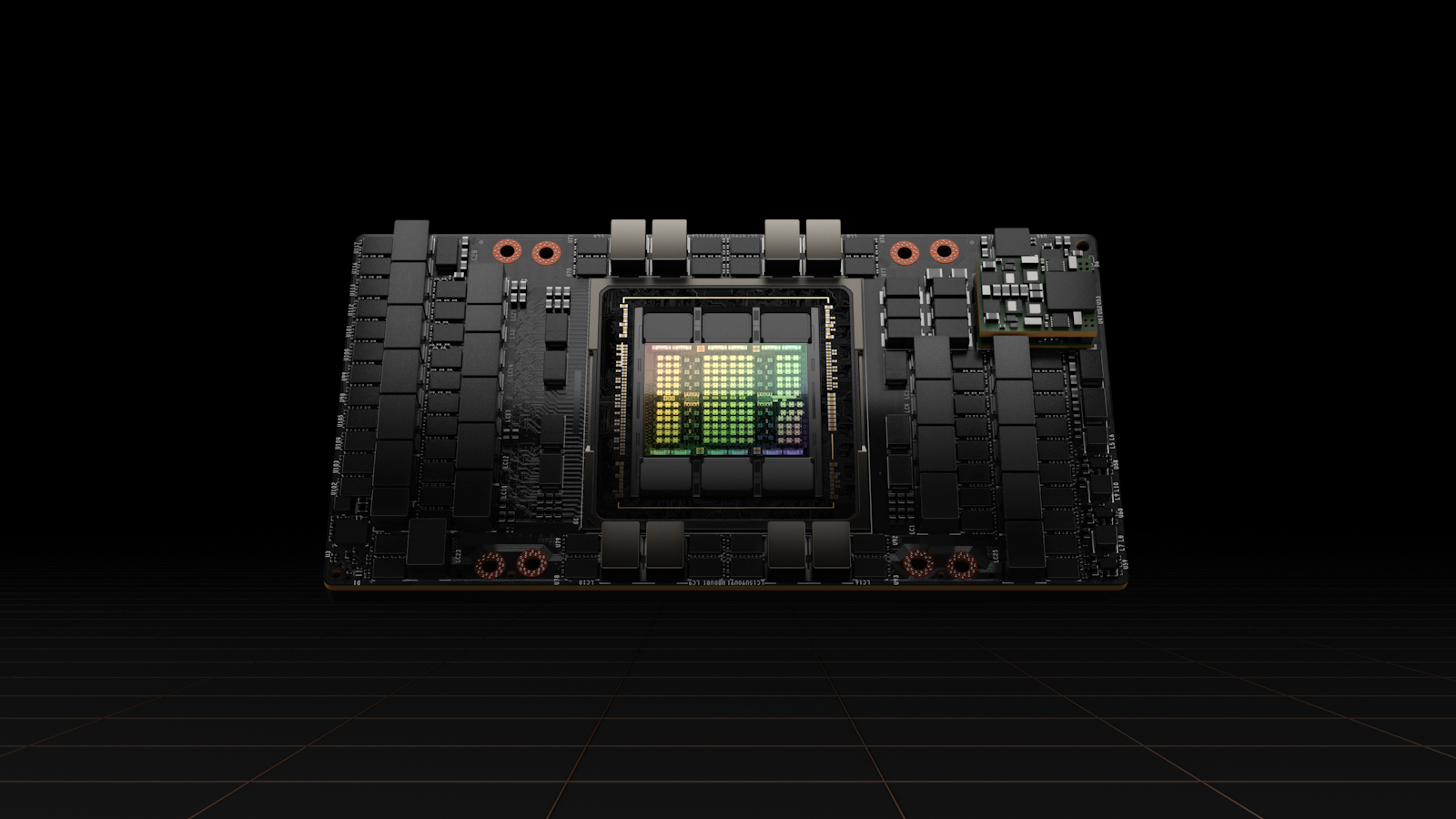
A customer training a large model may prefer the B200 if it shortens the total completion time enough to offset the higher rental cost.
At the same time, H100 and A100 systems can remain more economical for workloads that do not need the newest architecture.
The rising prices across several generations show that the market is not treating AI GPUs as immediately obsolete assets. Older NVIDIA accelerators continue to generate revenue, while the B200 commands a premium near $6 per hour.
How long this trend lasts will depend on future supply, AI adoption, electricity costs, software efficiency, and the arrival of competing hardware. For now, the rental market suggests that demand remains strong enough to support both current and previous generations of NVIDIA data centre GPUs.



Discussion (0)
Be the first to comment.