



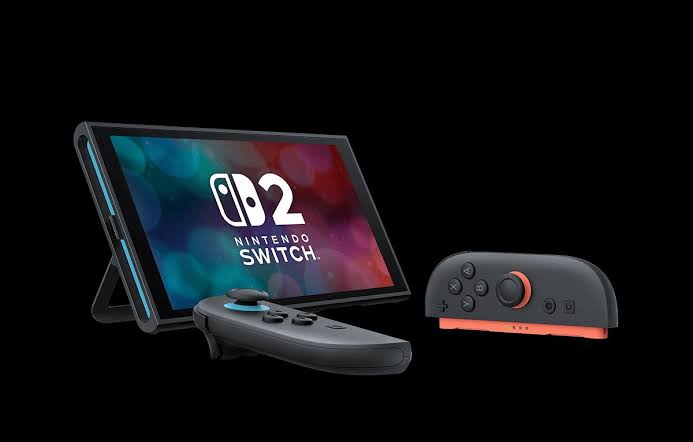
Nintendo Switch 2 sales have slowed significantly after the console’s strong launch period, but Nintendo still reported better than expected quarterly revenue thanks to software sales, entertainment income, and tariff refunds.
The company sold 3.82 million Switch 2 units during the latest quarter, representing a 34.4 percent decline compared with its earlier launch pace. Even with that slowdown, lifetime Switch 2 sales have reached 23.68 million units.
Nintendo had sold 19.86 million consoles during the system’s first year, so some cooling was expected after the initial launch demand. The company still expects to ship 16.5 million Switch 2 consoles during the current fiscal year ending in March 2027.
Switch 2 sales remain ahead of the original Switch
Despite the quarterly decline, Switch 2 is still selling faster than the original Nintendo Switch did at a similar stage of its life.
| Switch 2 sales figure | Result |
|---|---|
| Latest quarterly sales | 3.82 million |
| Quarterly decline | 34.4% |
| First year sales | 19.86 million |
| Lifetime sales | 23.68 million |
| Current fiscal year target | 16.5 million |
Nintendo said new game releases continued to encourage people to buy the console even as the launch period ended.
The main question now is whether that momentum can continue after planned hardware price increases in several major markets.
Switch 2 price rises to $500 in September
Nintendo is preparing to raise the price of the Switch 2 in the United States from $450 to $500 on September 1, 2026.
Europe will see a €30 increase, while Canada will receive a CA$50 increase. Japan already received its own hardware and Nintendo Switch Online price increases on July 1.
| Region | Price change |
|---|---|
| United States | $450 to $500 |
| Europe | Increase of €30 |
| Canada | Increase of CA$50 |
| Japan | Increase already applied July 1 |
Higher pricing could make Nintendo’s 16.5 million unit shipment target more difficult to reach, particularly during the holiday season.
The company will be asking buyers to pay more for the console at the same time that the strongest launch demand has already passed.
Software sales helped offset weaker hardware demand
Nintendo’s quarterly performance was supported by several strong game releases.
Tomodachi Life: Living the Dream was the biggest performer mentioned in the report, selling nearly 8 million copies in only three months.
Pokémon Pokopia, Mario Kart World, and Donkey Kong Bonanza also continued contributing to software sales.
| Major software contributor | Performance |
|---|---|
| Tomodachi Life: Living the Dream | Nearly 8 million copies in three months |
| Pokémon Pokopia | Continued strong sales |
| Mario Kart World | Continued contribution |
| Donkey Kong Bonanza | Continued contribution |
Strong software performance is important because Nintendo earns revenue not only from first party game sales but also from digital purchases, downloadable content, subscriptions, and third party software sold through its platform.
That gives the company several ways to grow revenue even when quarterly console shipments decline.
The Super Mario Galaxy Movie passes $1 billion
Nintendo’s entertainment business also provided a major boost.
The Super Mario Galaxy Movie has passed $1 billion in worldwide box office revenue since its April release, making it the second highest grossing video game movie ever according to the reported figures.
The success continues Nintendo’s broader push into movies and other entertainment outside traditional games.
This strategy gives the company another source of revenue while also promoting its characters and franchises to people who may not own Nintendo hardware.
Tariff refunds added roughly $300 million
Nintendo also received approximately $300 million in refunds connected to earlier tariffs.
That amount helped support quarterly net income and contributed to stronger financial results despite lower console shipments.
The refund should be treated separately from Nintendo’s normal operating performance because it is not recurring revenue from console or game sales.
| Factor supporting the quarter | Impact |
|---|---|
| Strong game sales | Increased software revenue |
| Mario movie performance | Increased entertainment revenue |
| Tariff refunds | Added roughly $300 million |
| Switch 2 hardware | Sales declined from launch pace |
The combination allowed Nintendo to exceed revenue expectations even though its most important hardware product sold fewer units than before.
Memory costs and tariffs remain a major concern
Nintendo expects rising memory prices and tariffs to create around ¥100 billion in additional expenses during the year, equal to approximately $633 million.
Those pressures help explain the coming hardware price increases.
Memory has become more expensive across the electronics industry, while tariffs can directly raise the cost of importing finished consoles and components into certain markets.
| Cost pressure | Expected effect |
|---|---|
| Memory prices | Higher manufacturing cost |
| Tariffs | Higher import expense |
| Estimated combined impact | About ¥100 billion |
| Approximate dollar value | $633 million |
Nintendo therefore faces a difficult balance between protecting margins and keeping the Switch 2 affordable enough to maintain strong demand.
Holiday demand will be the next major test
The Switch 2 remains in a strong position after reaching 23.68 million lifetime sales, but the next several months will show how sensitive buyers are to the higher price.
The console will enter the holiday season at $500 in the United States, while component costs remain elevated and the initial launch surge continues to fade.
Strong first party games could help maintain demand. Nintendo has already shown that software can offset weaker hardware sales, and its movie business is adding another source of income.
The current quarter therefore presents a mixed picture. Switch 2 hardware sales are slowing, but the system is still ahead of its predecessor’s early pace, major games are performing well, and Nintendo’s broader entertainment strategy is helping protect revenue.
The company now needs to prove that those strengths can continue after the September price increase while still reaching its 16.5 million console shipment target for the fiscal year.
Discussion (0)
Be the first to comment.