



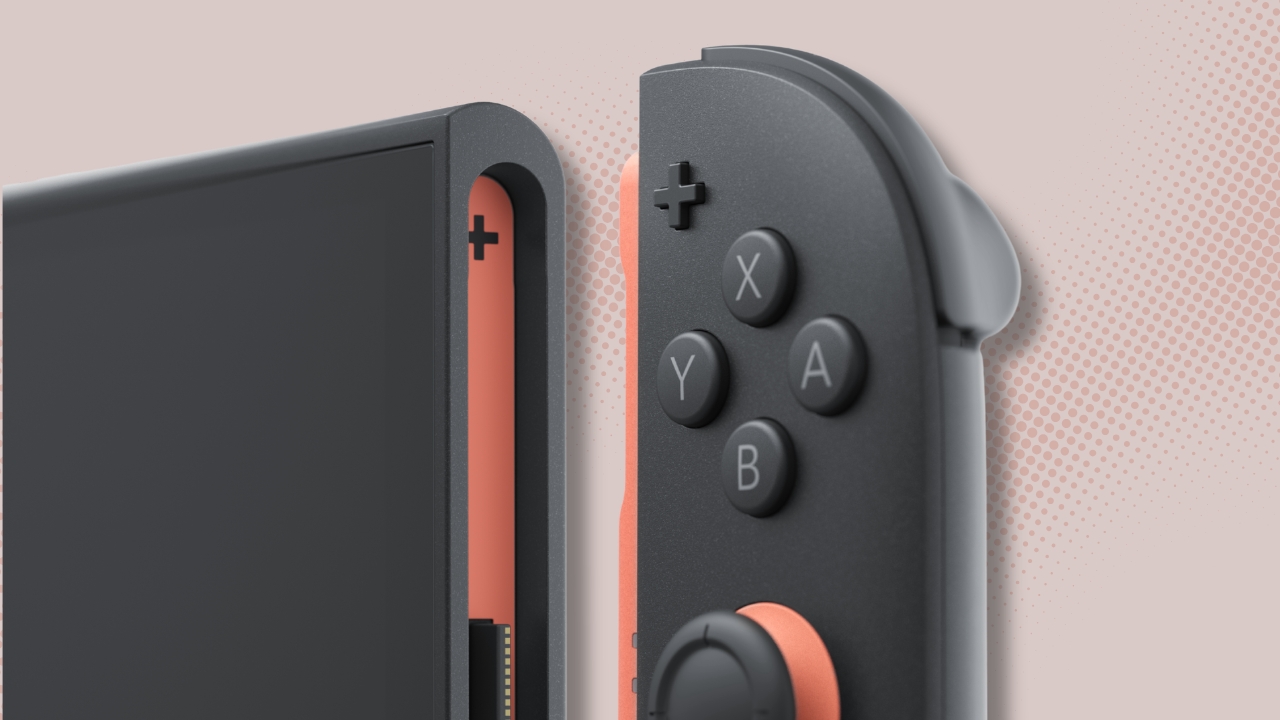
Nintendo is asking a court to dismiss a class action lawsuit that seeks refunds for people who bought Switch consoles and accessories at prices allegedly affected by United States tariffs.
The company argues that customers received the products they agreed to purchase at the advertised prices. Nintendo says later legal developments involving tariffs do not require it to reopen completed transactions or return part of the purchase price.
The lawsuit followed a February 2026 ruling by the United States Supreme Court concerning tariffs imposed under the International Emergency Economic Powers Act. The court found that the law did not give the president authority to introduce those tariffs.
That decision created the possibility that importers could recover money previously paid to the government. The legal question facing Nintendo is whether consumers should receive part of any refund when companies may have included tariff related costs in their retail prices.
| Key detail | Current position |
|---|---|
| Defendant | Nintendo |
| Main allegation | Higher prices allowed Nintendo to recover tariff costs from customers |
| Nintendo’s response | Completed purchases should not be adjusted later |
| Switch 2 regular price | $449 before the planned increase |
| Limited offer for new customers | $399 with a coupon |
| Planned US price from September 1 | $499 |
Nintendo says customers received the products they purchased
The plaintiffs argue that Nintendo could receive an unfair financial benefit if it recovers tariff payments while keeping the revenue collected through higher product prices.
Their complaint refers to Nintendo’s earlier comments about tariffs affecting its business. It also points to price increases applied to original Switch hardware and related accessories.
According to the lawsuit, Nintendo may have already passed some of its additional import expenses to consumers. A government refund could therefore allow the company to recover the same costs twice.
Nintendo rejects that interpretation. The company says retail transactions do not normally change after a product has been purchased simply because a business later receives money connected to an earlier expense.
Its request for dismissal states that customers paid an agreed price and received the promised hardware. Nintendo argues that consumers are not automatically entitled to a rebate because the legal status of the tariffs changed after those sales were completed.
The outcome could affect similar cases against other companies. Businesses across several industries raised prices or adjusted their operations in response to tariffs, and some may now qualify for refunds.
A ruling in favour of consumers could encourage more lawsuits seeking a share of those payments. A ruling supporting Nintendo could establish that tariff refunds belong to importers, even when part of the original expense may have influenced retail pricing.
A temporary offer reduces the Switch 2 price to $399
While the lawsuit continues, a limited promotion allows some buyers to purchase a Nintendo Switch 2 for less than its regular price.
New customers at Woot can use the coupon code GIFT26 to reduce the console price by $50, bringing the total to $399. Existing customers can use the same code to receive a smaller $22 discount, reducing the price to $427.
The promotion is especially notable because the standard United States price of the Switch 2 is scheduled to increase to $499 on September 1, 2026.
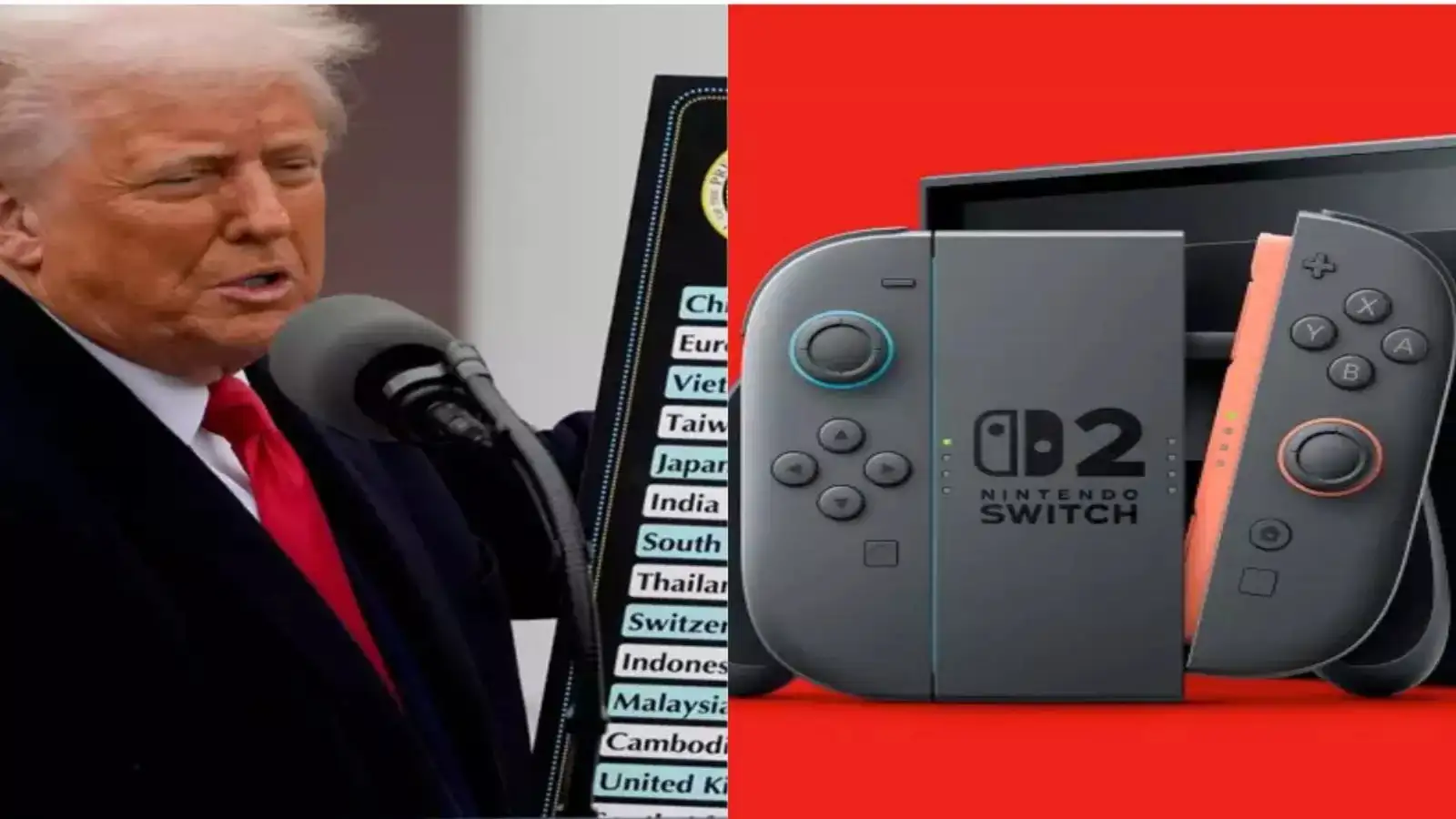
A new customer using the offer would therefore pay $100 less than the planned September price. An existing customer would save $72 compared with that upcoming price.
The availability and duration of the promotion may be limited. Coupon eligibility can also depend on account status, stock and the retailer’s terms at checkout.
Nintendo has not indicated that the discount is connected to the tariff lawsuit. The promotion is being offered by the retailer rather than as an official refund or general price reduction from Nintendo.
The legal dispute is still unresolved, and the court has not decided whether the plaintiffs are entitled to compensation. Until a ruling is issued, buyers should treat the $399 offer as a separate retail promotion rather than evidence that Nintendo has accepted responsibility for tariff related price increases.



Discussion (0)
Be the first to comment.