



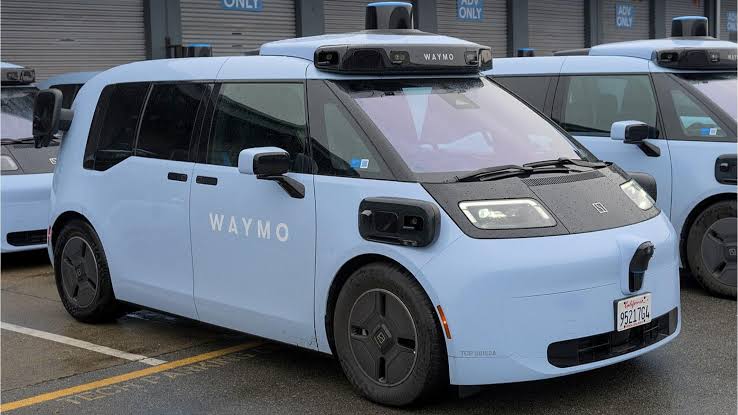
Federal safety regulators are putting new pressure on autonomous vehicle companies after repeated reports of driverless cars interfering with emergency responders. The National Highway Traffic Safety Administration has warned the industry that a self driving vehicle unable to safely respond to police, fire, and ambulance activity is not just a technical issue. It is a public safety risk.
The agency is calling on robotaxi operators and autonomous vehicle developers to provide immediate solutions. Companies are expected to meet with regulators by the end of July to explain how they will prevent their vehicles from blocking emergency scenes, fire stations, ambulances, and other first responder operations.
The warning follows growing frustration from city officials and emergency workers in places where robotaxi services are active. Reports from cities such as San Francisco and Austin suggest that some vehicles are still struggling with basic real world emergency situations, including traffic officers giving hand signals, emergency lights, cones, flares, smoke, and blocked roadways.
Emergency responders say robotaxis are still failing in critical situations
The most serious concern is not that self driving cars make occasional navigation mistakes. The issue is that those mistakes can happen during moments when delays cost lives. Emergency crews have reported cases where robotaxis drove into active response areas, stopped in the middle of roads, blocked ambulance routes, and even trapped emergency vehicles near fire station exits.
One reported incident in Austin involved a robotaxi freezing in the path of an ambulance after a fatal bar shooting. A police officer eventually had to manually move the vehicle, costing emergency crews valuable time. Incidents like this are why regulators are now treating the problem as more than a software bug.
| Reported issue | Why it matters |
|---|---|
| Robotaxis freezing on active roads | Can block emergency vehicle movement |
| Failure to follow traffic officer hand signals | Makes scene control harder during emergencies |
| Blocking fire station bays | Can delay fire trucks and ambulances from leaving |
| Driving into emergency scenes | Creates extra danger for crews and victims |
| Poor response to cones, flares, lights, and smoke | Shows difficulty reading standard emergency markers |
| Manual removal by police or responders | Wastes time during urgent calls |
First responders say autonomous vehicles still need major improvement in understanding unusual but common emergency road conditions. Human drivers are expected to pull over for sirens, follow police directions, avoid fire scenes, and leave space for ambulances. Regulators are now making clear that self driving vehicles must meet a comparable standard.
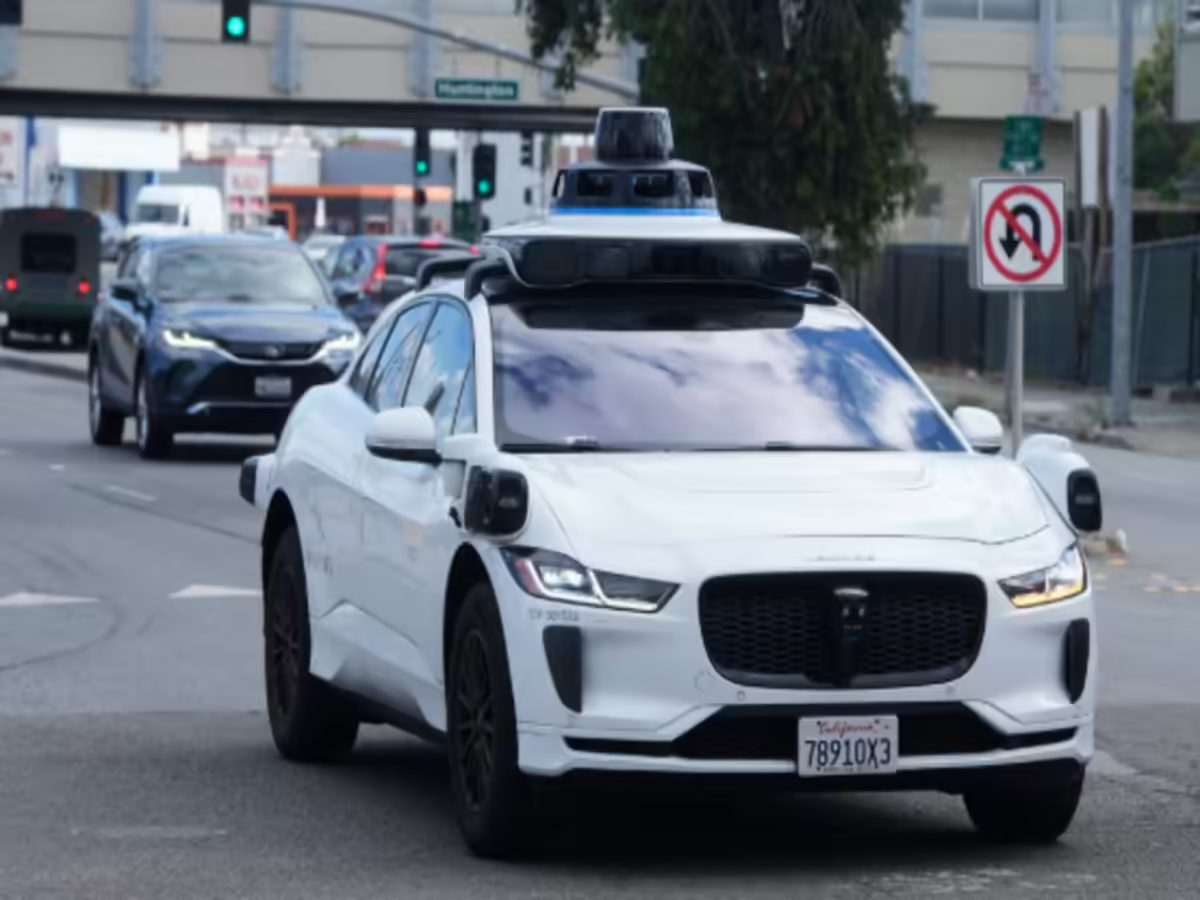
NHTSA Administrator Jonathan Morrison said the industry should be held accountable because human drivers can face fines or even jail time for blocking emergency vehicles. In the regulator’s view, a driverless car that interferes with first responders cannot be dismissed as a harmless malfunction. Once it delays an ambulance or fire truck, the problem becomes a serious safety failure.
The warning also raises a larger question about how autonomous vehicles are being tested and deployed. Robotaxis often perform well in routine driving, but emergency scenes are unpredictable. They involve unusual vehicle positioning, people walking in roads, officers directing traffic by hand, flashing lights from several directions, cones placed in temporary patterns, and sudden route changes. These are exactly the conditions that a public road vehicle must handle safely before large scale deployment.
The agency has said it is ready to use its enforcement authority if companies fail to address the issue. That could mean stronger oversight, penalties, or tighter requirements for autonomous vehicle operators that continue to create hazards for emergency services.
For self driving companies, the message is direct. Public trust will depend less on smooth demo rides and more on how the vehicles behave when roads are messy, dangerous, and under human command. If a robotaxi cannot understand a firefighter, a police officer, or an ambulance trying to reach victims, it is not ready for the most demanding parts of public road use.
Autonomous vehicles may still reduce some crashes over time, especially those caused by distracted or impaired drivers. But safety claims will remain difficult to defend if driverless fleets continue to obstruct the people trying to save lives. NHTSA’s latest action shows that regulators now want faster answers, clearer accountability, and practical fixes rather than broad promises about future software improvements.



Discussion (0)
Be the first to comment.