



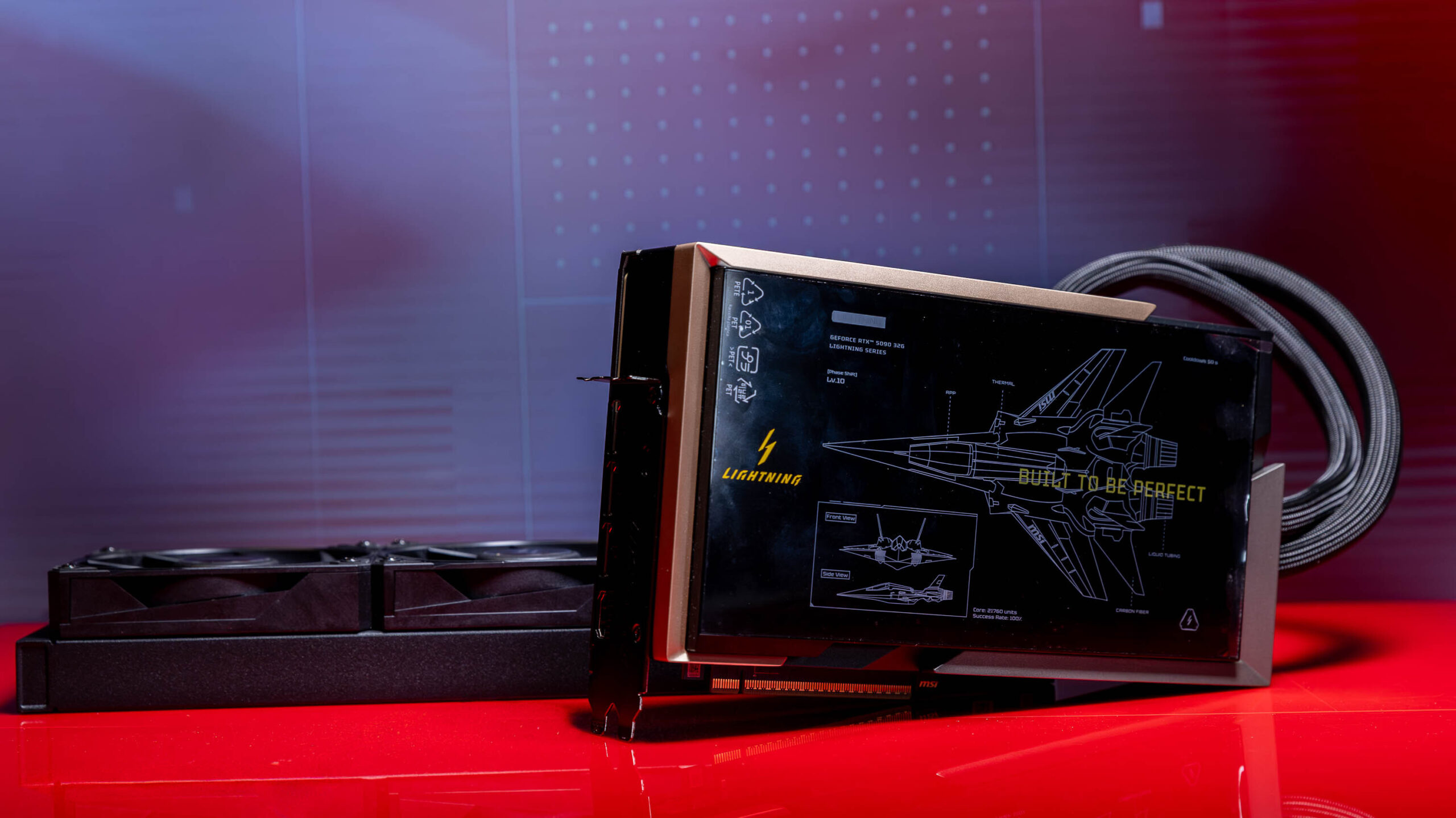
MSI has shown new cooling and power protection technologies that it plans to use on future Nvidia RTX graphics cards. The company is not launching a new gaming GPU yet, but it is using Computex 2026 to preview how its next generation cards may handle higher heat, power delivery, and safety demands.
The changes focus on three main areas: cooling, 16 pin power safety, and reusable fuse protection. That makes sense because modern high end graphics cards are becoming harder to manage. They consume more power, produce more heat, and depend on power connectors that have already created concern among PC builders.
The most eye catching upgrade is MSI’s new cooling design. The company is working on ultra thin metal fan blades, advanced spiral groove heat pipes, diamond composite thermal pads, and a diamond copper composite baseplate. These parts are designed to move heat away from the GPU, memory, and power components more efficiently.
The new metal fan blades keep the same seven blade layout, but MSI says the all metal structure can improve airflow by up to 40 percent. The blades are only 0.8mm thick, which increases the open airflow area and reduces resistance. The stronger material should also help the blades avoid deformation at high speeds.
| MSI technology | What it is meant to improve |
|---|---|
| Ultra thin metal fan blades | Higher airflow and better stability at high speed |
| Spiral groove heat pipes | Better contact area and heat transfer |
| Diamond composite thermal pad | Improved memory heat dissipation |
| Diamond copper baseplate | Faster heat movement from GPU to heatsink |
| Safeguard power protection | Safer 16 pin connector monitoring |
| Reusable eFuse | Faster protection from electrical faults |
The diamond based materials are also important. MSI’s diamond composite thermal pad is designed for memory modules, where heat can become a problem on high end graphics cards. The diamond copper composite baseplate uses a diamond copper layer between copper layers to create a more efficient thermal path between the GPU and the heatsink.
MSI has combined these ideas into a full integrated cooling module. The company showed the design on a prototype next generation Gaming Trio card using an RTX 5090 32GB GPU as the demonstration platform. The final version is expected to appear on future Nvidia graphics cards.
Power safety is the second major focus. MSI is bringing its Safeguard power protection technology directly to the graphics card. The feature already appeared in MSI’s MPG power supply lineup, but future cards will include similar monitoring from the 16 pin connector itself. That means buyers may not need a specific compatible PSU to get the same level of protection.
This matters because 16 pin GPU power connectors have become a sensitive topic. High power GPUs depend on stable connector contact and proper cable seating. A smart detection system can help warn people when something is wrong and may reduce the chance of damage caused by poor connection or unstable power delivery.
MSI is also adding reusable eFuse technology to future graphics cards. These server grade fuses are designed to protect the GPU from electrical faults. Unlike traditional fuses, they can reset through an internal gate based mechanism. MSI says they can respond to short circuits in around 200 nanoseconds, which could help protect expensive hardware from sudden electrical problems.
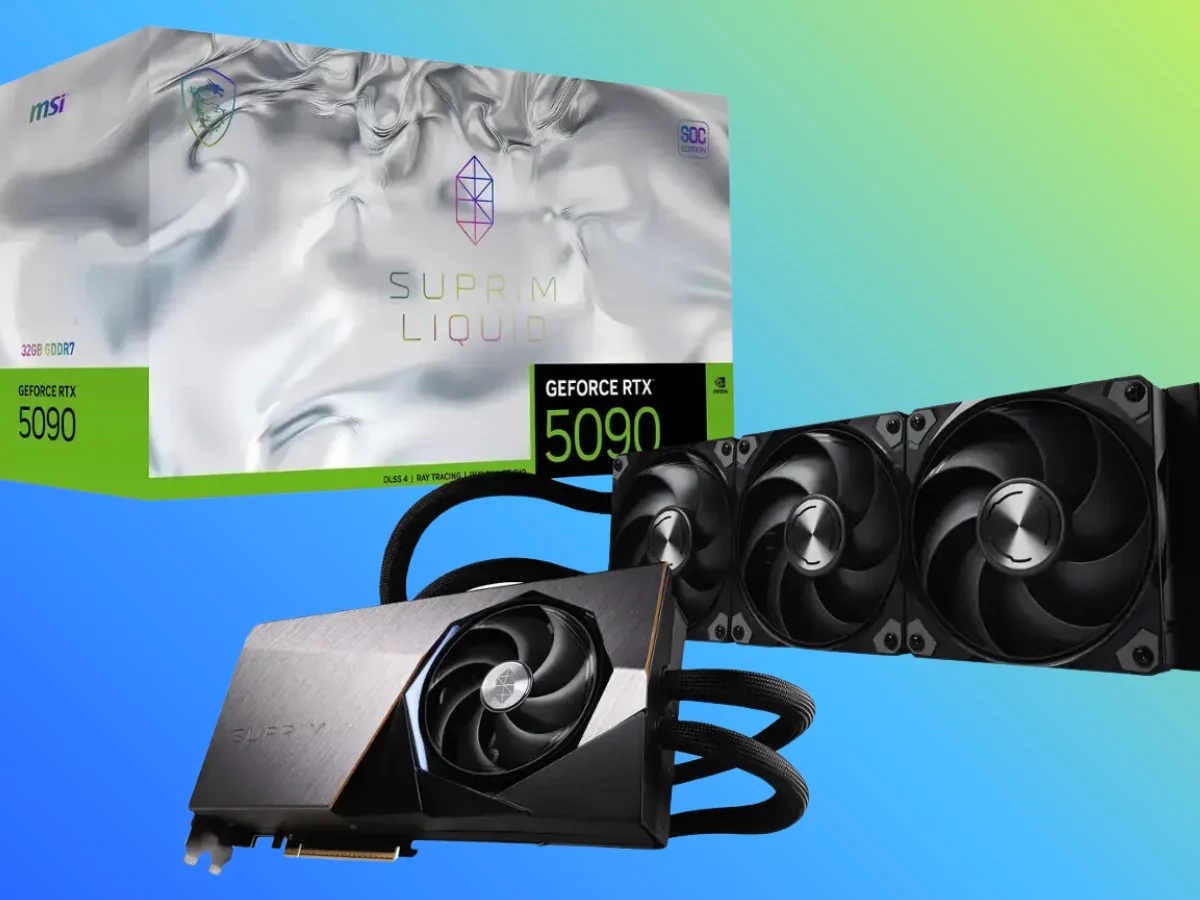
The company showed this technology on an RTX 5090 SUPRIM Safeguard prototype. Like the cooling system, it appears to be a preview of what MSI wants to bring to future high end cards rather than a product launch for normal buyers right now.
The direction is sensible. As GPUs become larger and more power hungry, board makers cannot rely only on bigger heatsinks and louder fans. They also need smarter power monitoring, better materials, safer connectors, and stronger electrical protection.
The real test will come when MSI ships these features in retail cards. Better airflow, diamond based cooling materials, smart connector detection, and resettable fuses all sound useful, but pricing, reliability, repairability, and long term performance will decide how valuable they are.
For now, MSI’s preview shows that the next wave of graphics cards may not only be about faster chips. The cooling and power systems around those chips are becoming just as important. If MSI’s new designs work as promised, future RTX cards could run cooler, respond faster to electrical faults, and give PC builders more confidence when dealing with high power GPUs.



Discussion (0)
Be the first to comment.