



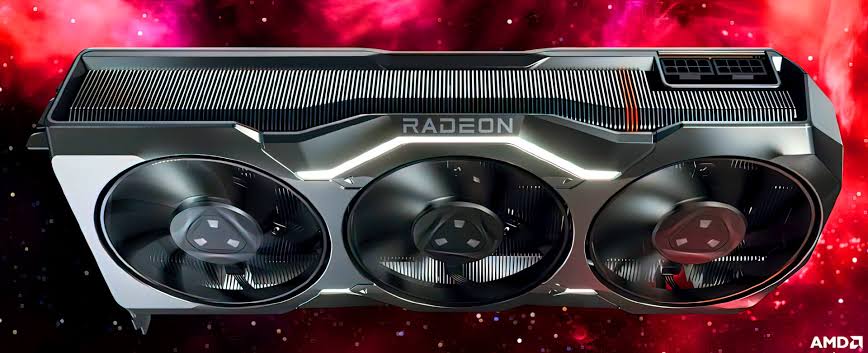
A hardware repair team has restored hotspot temperature monitoring on Nvidia GeForce RTX 50 graphics cards, showing that some cards may throttle even when their reported average GPU temperature appears normal.
Nvidia stopped exposing hotspot readings through common monitoring tools with the Blackwell generation. Applications such as GPU Z, HWiNFO, HWMonitor, and MSI Afterburner could still show average GPU and memory temperatures, but the hottest point measured across the GPU silicon was no longer available.
That change made it harder to diagnose uneven cooler pressure, poor thermal paste application, and other contact problems. A graphics card can report an average temperature of 70°C to 80°C while a small section of the chip operates close to its thermal protection limit.
Brazilian repair specialist Paulo Gomes has now demonstrated a modification that enables the hidden measurement on RTX 50 cards. The restored data showed hotspot temperatures reaching approximately 107°C on cards that were losing performance and running their fans at unusually high speeds.
Average GPU temperature can hide a serious local hotspot
A GPU does not heat evenly across its entire surface. Some areas may operate considerably hotter than the average value shown by monitoring software.
The hotspot reading represents the highest reported temperature from sensors distributed across the chip. A large difference between the average and hotspot temperatures can point to poor contact between the GPU and its cooler.
| Measurement | What it indicates |
|---|---|
| Average GPU temperature | General temperature across the processor |
| Hotspot temperature | Hottest measured area on the GPU |
| Memory temperature | Thermal condition of graphics memory |
| Large temperature difference | Possible uneven mounting or poor thermal interface contact |
| Repeated clock reductions | Possible thermal throttling |
In the reported tests, average temperatures remained between roughly 70°C and 80°C. The restored hotspot reading, however, climbed to around 107°C.
At that level, the GPU entered a thermal protection state and reduced its operating frequency. Once the temperature fell, the clock speed increased again, causing the hotspot to quickly return to the limit. This created a repeated cycle of throttling and recovery that reduced gaming performance.
Without the hotspot reading, the card could appear to be operating within a reasonable temperature range. A user might therefore investigate drivers, power limits, or game settings without realizing that the cooler was making poor contact with the chip.
Replacing the thermal material improved performance
The repair team identified poor thermal contact as the cause of the problem. After replacing the thermal interface material, the hotspot temperature dropped from about 107°C to approximately 100°C.
Although 100°C is still high, the reduction was enough to improve performance and reduce the repeated thermal throttling seen before the repair.
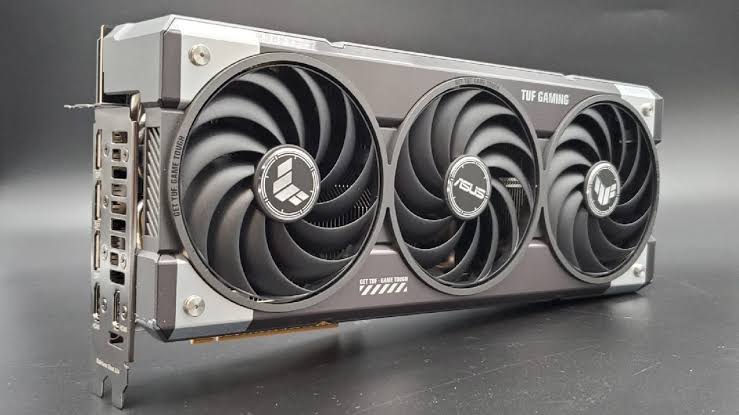
The result suggests that the physical hotspot sensor still exists on Blackwell GPUs. Nvidia appears to have stopped exposing the reading through standard consumer software rather than removing the underlying hardware measurement.
The repair outlet said it had examined several RTX 50 cards with similar symptoms, including unexpectedly high fan speeds and weaker gaming performance despite acceptable average temperatures. Its findings linked those cases to cooler contact or thermal paste issues.
However, the available information does not establish that every RTX 50 model has a widespread manufacturing defect. The examples come from cards sent to a repair business because they were already experiencing problems. Broader testing across models and manufacturers would be needed to determine how common the issue is.
Hotspot monitoring is useful for diagnosing cooler problems
Hotspot readings have historically helped PC builders identify several thermal issues. These include uneven heatsink pressure, incorrectly fitted water blocks, damaged thermal pads, and thermal paste that has dried out or spread poorly.
A modest difference between average and hotspot temperatures is normal. Concern grows when the gap becomes unusually large or the hotspot repeatedly reaches a throttling limit.
The exact safe values can vary between GPU designs, so one reading should not be judged in isolation. Clock speed, fan behaviour, power consumption, performance consistency, and the temperature difference should all be considered together.
Opening a graphics card to replace thermal paste also carries risk. It may damage the card, affect warranty coverage, or create worse contact if the cooler is reinstalled incorrectly. Anyone without experience repairing graphics hardware should seek professional support rather than immediately disassembling the card.
Nvidia could restore the reading through software
The discovery raises questions about why hotspot monitoring is unavailable through normal RTX 50 diagnostic tools.
Nvidia provides extensive monitoring and health tools for its data centre products, including systems that can identify airflow and temperature problems. Restoring hotspot access for consumer cards would give owners and repair technicians better information without requiring unofficial modifications.
Because the sensor appears to remain present, Nvidia may be able to expose the value again through a driver, firmware, or software update. The company has not confirmed whether it plans to do so.
Average temperature remains useful for normal monitoring, but it does not show the complete thermal condition of a GPU. The restored RTX 50 hotspot data demonstrates how a card can look healthy in standard software while a smaller area of the chip reaches a limit that reduces performance.
For owners experiencing high fan speeds, unstable clocks, or lower than expected gaming results, hotspot monitoring could provide an important clue. Until official support returns, however, diagnosing those problems on RTX 50 cards may remain more difficult than it was on earlier GeForce generations.



Discussion (0)
Be the first to comment.