



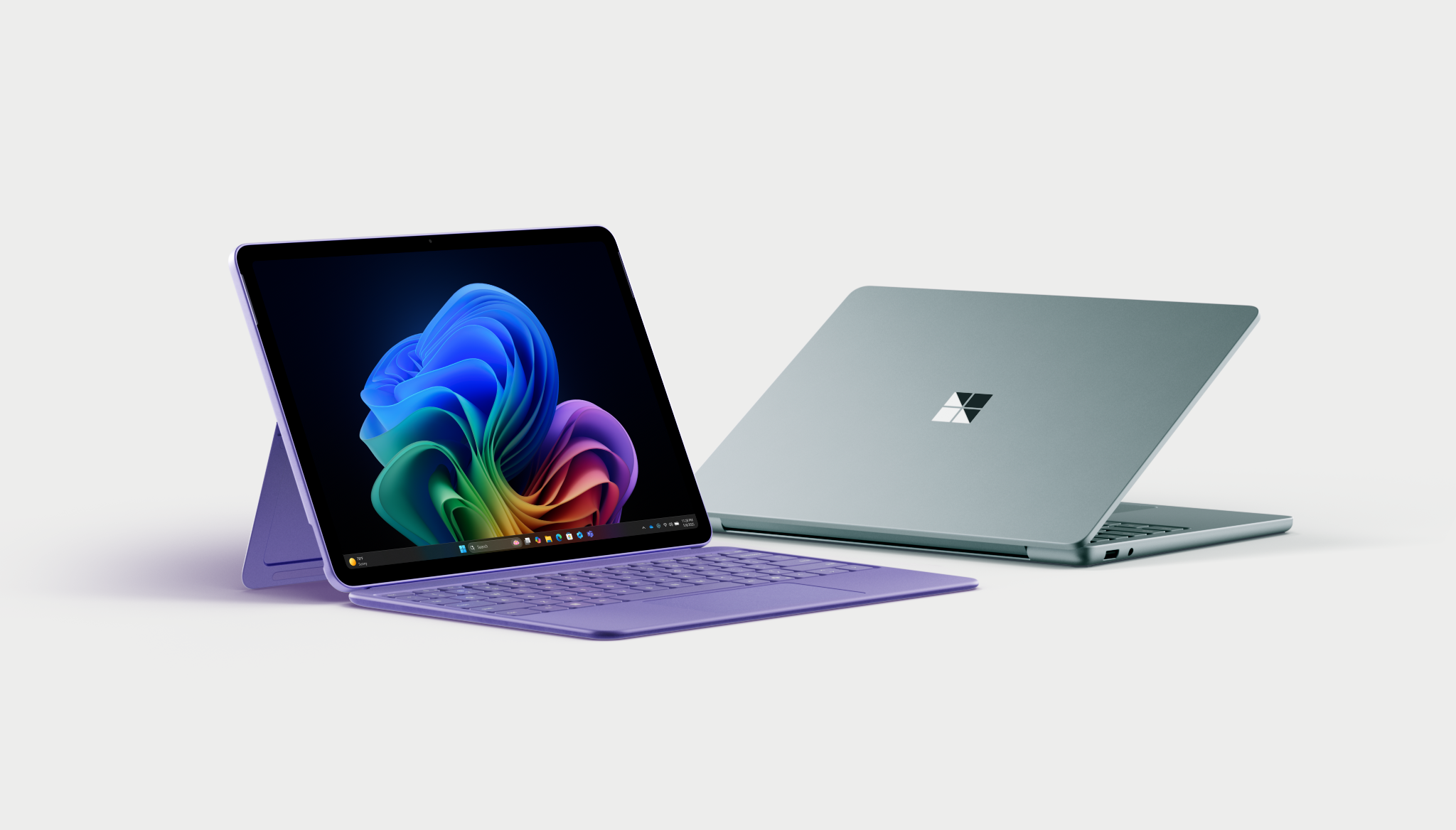
Microsoft has refreshed its Surface for Business lineup, but the launch arrived with almost no excitement. There was no major event, no livestream, and no strong public push. Instead, Microsoft shared details through blog posts and briefings, making the new Surface hardware easy to miss.
That quiet approach matters because Surface is no longer seen with the same excitement it once had. In earlier years, Surface launches felt like real hardware moments. Microsoft used them to show new designs, new ideas, and a clearer vision for Windows PCs. This time, the company announced updated Surface Laptop and Surface Pro models in a way that felt more like routine maintenance than a major product move.
Surface Laptop 8 is good hardware, but Microsoft’s strategy still feels scattered
The Surface Laptop for Business 8th Edition is not a bad device. Windows Central gave it a 4 out of 5 review, pointing to its strong Intel Core Ultra 3 Series performance, crisp display, and new integrated privacy screen. The privacy screen is one of its most interesting additions, especially for business users who work in public places.
The problem is that a good laptop by itself is not enough. Surface is facing criticism for feeling stagnant, expensive, and underwhelming. At a time like this, Microsoft needed a more confident launch. Instead, it delivered another staggered release with confusing feature splits.
| Surface issue | What happened |
|---|---|
| Launch style | No event or livestream |
| New hardware | Surface Laptop and Surface Pro for Business refreshed |
| Main improvement | New Intel chips and privacy screen option |
| Missing clarity | Consumer models and Snapdragon X versions are coming later |
| Feature trade off | Privacy screen cannot be combined with 5G |
| Pricing concern | Business models are expensive |
One of the biggest issues is timing. Microsoft announced Intel powered business models first, while Snapdragon X powered Surface devices are still planned for later. That split makes the lineup harder to follow. Microsoft could have revealed the Intel and Snapdragon versions together, then explained which models are for business buyers and which are for consumers.
The pricing also hurts the message. Business Surface PCs often cost more because they include security features and longer support, but those prices can create sticker shock when they are the only new models being shown. More affordable consumer models may arrive later, but Microsoft did not use this launch to make that clear in an exciting way.
The feature split is another concern. The new privacy screen sounds useful, but it is not available with 5G. That feels like a strange limitation because the people most likely to work from anywhere may also be the people most likely to need screen privacy.
Microsoft also missed a chance to show confidence in Surface. A blog post launch can work for small updates, but Surface needs more than that right now. The brand needs a stronger story. It needs a reason for buyers to choose Surface over Lenovo, HP, Dell, Apple, and other premium laptops.

That is why the criticism lands harder. Microsoft is investing heavily in Windows 11, Xbox, Copilot, and AI features, but Surface feels less central than it used to. The hardware still exists, but the energy around it has faded.
The new Surface Laptop 8 for Business may be a fine machine, especially for companies that value security, privacy, and Microsoft’s business support. But as a brand moment, this launch did not do much to rebuild excitement.
Surface does not need a radical redesign every year, but it does need clarity. Microsoft should stop spreading announcements across different months, stop locking key features behind awkward configuration choices, and give buyers a clearer reason to care. Right now, the hardware is improving in small ways, but the Surface story still feels unfinished.



Discussion (0)
Be the first to comment.