



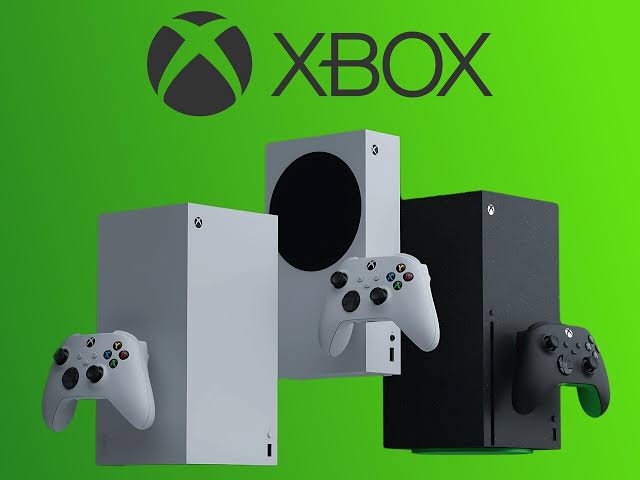
Microsoft ended its 2026 financial year with strong growth from Azure and artificial intelligence services, while the Xbox business continued to lose revenue despite reaching millions of new players.
Azure generated more than $100 billion in annual revenue for the first time. The milestone reflects rising demand from companies using Microsoft’s cloud infrastructure to train AI models, run business applications, and support services built around generative AI.
Microsoft also reported that its Microsoft 365 Copilot service now has more than 30 million paid seats. The company views that figure as evidence that businesses are willing to pay for AI tools integrated into everyday workplace software.
The wider company reported quarterly revenue of $90 billion, an increase of 18 percent from the same period a year earlier. Microsoft’s Intelligent Cloud division, which includes Azure, produced $39.3 billion in quarterly revenue, up 32 percent.
Chief Financial Officer Amy Hood said customer demand continues to exceed the computing capacity Microsoft currently has available. That suggests the company could generate even more cloud revenue if it can bring additional data centers, chips, and supporting infrastructure online.
Azure and AI are carrying Microsoft’s growth
Microsoft has spent heavily on AI infrastructure, including servers, networking equipment, data centers, and advanced processors. Those investments are now supporting Azure’s rapid expansion.
The company provides cloud services to businesses developing their own AI systems, while also selling ready made tools through Microsoft 365, GitHub, and other products.
| Business measure | Reported result |
|---|---|
| Microsoft quarterly revenue | $90 billion |
| Annual revenue growth | 18 percent |
| Azure annual revenue | More than $100 billion |
| Intelligent Cloud quarterly revenue | $39.3 billion |
| Intelligent Cloud growth | 32 percent |
| Microsoft 365 Copilot paid seats | More than 30 million |
| Next quarter revenue forecast | $89.85 billion to $90.95 billion |
This growth gives Microsoft greater financial flexibility to continue investing in AI infrastructure. However, building enough capacity remains expensive, and the company must keep adding hardware to meet demand.
Azure’s performance also shows how Microsoft’s business has changed. Windows remains important, but cloud computing and enterprise software now provide much of the company’s growth.
Xbox revenue fell despite attracting more players
The results were weaker in Microsoft’s More Personal Computing division, which includes Windows, devices, search, and Xbox.
Revenue in that division fell 4 percent to $12.9 billion. Windows OEM and Devices revenue declined 7 percent, while Xbox content and services revenue dropped 10 percent.
The Xbox decline is notable because Microsoft says more than 200 million new players engaged with Xbox and its games during the financial year. The audience expanded, but the gaming business did not generate corresponding revenue growth.

Xbox leadership has acknowledged this gap. The company now wants to invest more carefully in products and services that players are willing to pay for regularly.
Microsoft expects Xbox to return to growth by the end of the 2027 financial year. Reaching that goal may require stronger game releases, improved console performance, more successful subscriptions, and better monetisation across PC and mobile platforms.
Xbox is undergoing another strategic reset
The gaming division has gone through major leadership and operational changes. Asha Sharma became head of Microsoft Gaming earlier in 2026 and announced a renewed focus on Xbox consoles.
That direction followed an earlier campaign that placed greater emphasis on cloud gaming and the idea that many devices could function as an Xbox. The new strategy appears more focused on strengthening the console platform while still supporting PC, mobile, and cloud access.
The reset has also included restructuring and substantial job losses. Microsoft has presented those decisions as necessary for long term growth, although they have created uncertainty across its studios.
Chief Executive Officer Satya Nadella said Microsoft is making changes across the Xbox content portfolio, platform, and operations. The company believes it owns valuable game properties and has enough development talent to rebuild the business.
The challenge is turning that portfolio into reliable financial growth. Microsoft now owns franchises connected to Activision, Blizzard, Bethesda, and Xbox Game Studios, but large acquisitions and development budgets have increased the pressure to produce stronger returns.
Microsoft enters the next quarter with high expectations
Microsoft expects revenue of between $89.85 billion and $90.95 billion in the first quarter of its next financial year.
Azure and AI services are likely to remain the main growth engines. Demand from enterprise customers remains strong, and Microsoft continues to expand the infrastructure needed to serve them.
Xbox begins the new year from a weaker position. Its audience is large, but declining content and services revenue shows that reach alone is not enough.
Microsoft’s latest results therefore present two very different businesses. Azure has passed a major financial milestone and continues to benefit from enterprise AI spending. Xbox is attracting players but still needs to prove that its new strategy can turn participation into sustainable revenue.



Discussion (0)
Be the first to comment.