



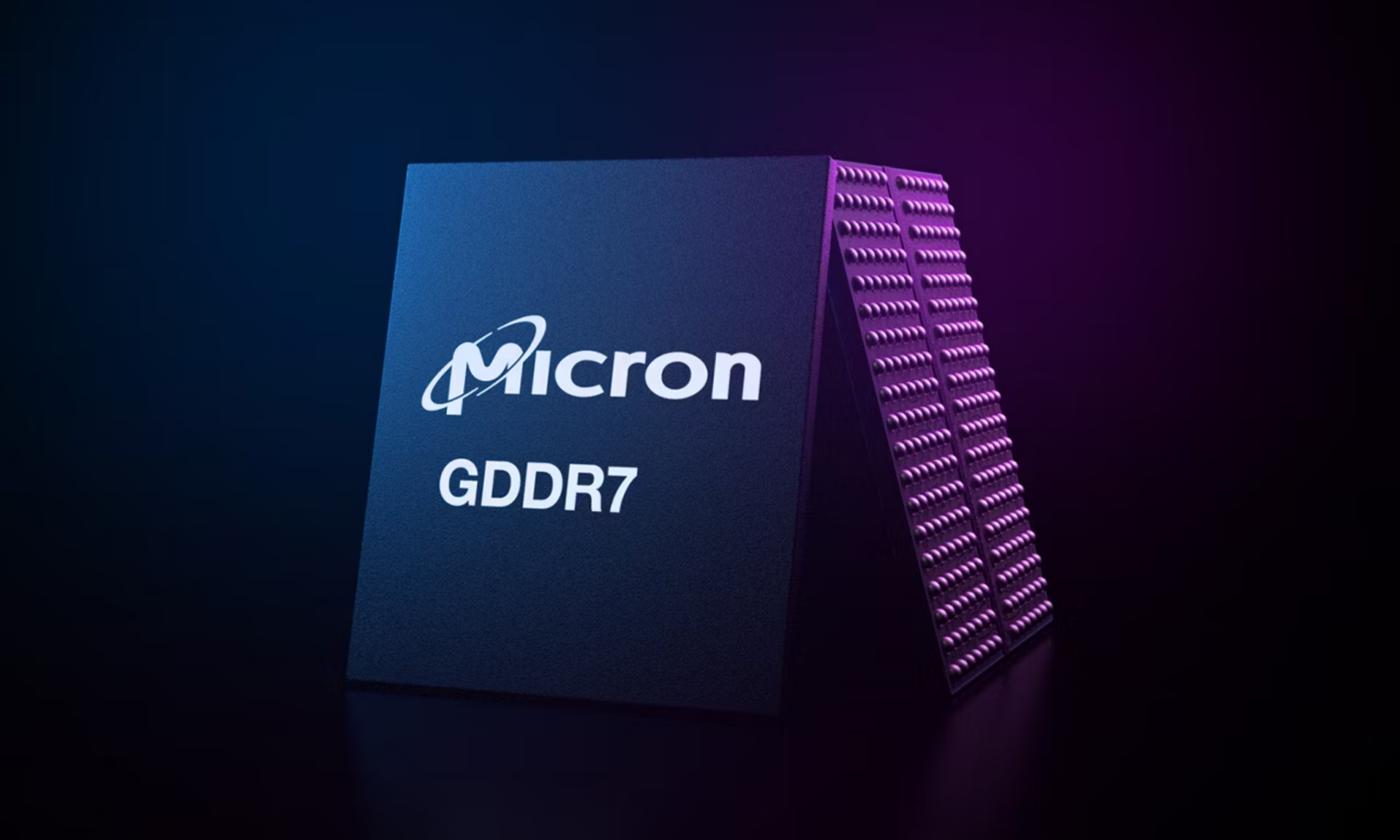
Micron has ended production of its 2GB GDDR7 memory chips, reducing the number of suppliers available for NVIDIA's GeForce RTX 50 series graphics cards.
The affected parts include Micron's 28 Gbps and 32 Gbps 2GB GDDR7 modules. Both are now listed as End of Life, which means Micron is no longer producing them for new shipments.
Samsung and SK Hynix will therefore remain the main GDDR7 suppliers for current RTX 50 series GPUs.
Micron is still producing larger 3GB GDDR7 chips, but those modules are not well suited to most of NVIDIA's existing RTX 50 configurations.
Micron's 2GB GDDR7 production had only recently expanded
Micron entered the GDDR7 market in 2025 and began supplying memory for NVIDIA's latest graphics cards.
The company's chips started appearing on RTX 50 series boards earlier in 2026.
One of the parts used in production was the MT68A512M32DF 28:A, a 16Gb chip capable of 28 Gbps speeds.
Micron also offered a 32 Gbps version of the same 2GB capacity.
| Micron GDDR7 part | Capacity | Speed | Status |
|---|---|---|---|
| 2GB GDDR7 | 16Gb | 28 Gbps | End of Life |
| 2GB GDDR7 | 16Gb | 32 Gbps | End of Life |
| 3GB GDDR7 | 24Gb | 28 Gbps | Still in production |
The move is notable because Micron had only recently been expected to expand its contribution to RTX 50 series production.
More suppliers generally give NVIDIA and board partners greater flexibility when sourcing memory, especially during periods of tight supply.
Samsung and SK Hynix become more important
With Micron's 2GB parts leaving production, Samsung and SK Hynix will carry more of the responsibility for supplying GDDR7 memory for current GeForce cards.
That does not necessarily mean RTX 50 availability will suddenly decline.
Micron was not the dominant supplier, and Samsung and SK Hynix already handle a large share of GDDR7 production.
However, losing even a smaller supplier reduces flexibility.
If Micron had accounted for a meaningful portion of total volume, its exit could make the market more sensitive to shortages or manufacturing problems elsewhere in the supply chain.
The real impact will depend on how much inventory remains and how much memory NVIDIA had already secured before Micron ended production.
Higher VRAM cards remain sensitive to memory costs
Graphics memory has become an increasingly important part of GPU pricing.
Higher capacity cards require more GDDR7 packages, so any increase in memory costs can have a larger effect on premium models.
NVIDIA has already raised prices on GPU and memory bundles during 2026, according to previous reports, contributing to higher board prices from graphics card vendors.
That has made high VRAM models particularly expensive in some markets.
Reducing the number of active GDDR7 suppliers does not automatically create another price increase, but it removes one potential source of additional volume.
Micron's 3GB chips do not fit most current RTX 50 designs
Micron continues to manufacture 3GB GDDR7 modules, but those chips are harder to use across NVIDIA's current product lineup.
Most RTX 50 series cards were designed around 2GB memory packages.
Changing to 3GB chips would alter total memory capacities depending on the number of modules installed.
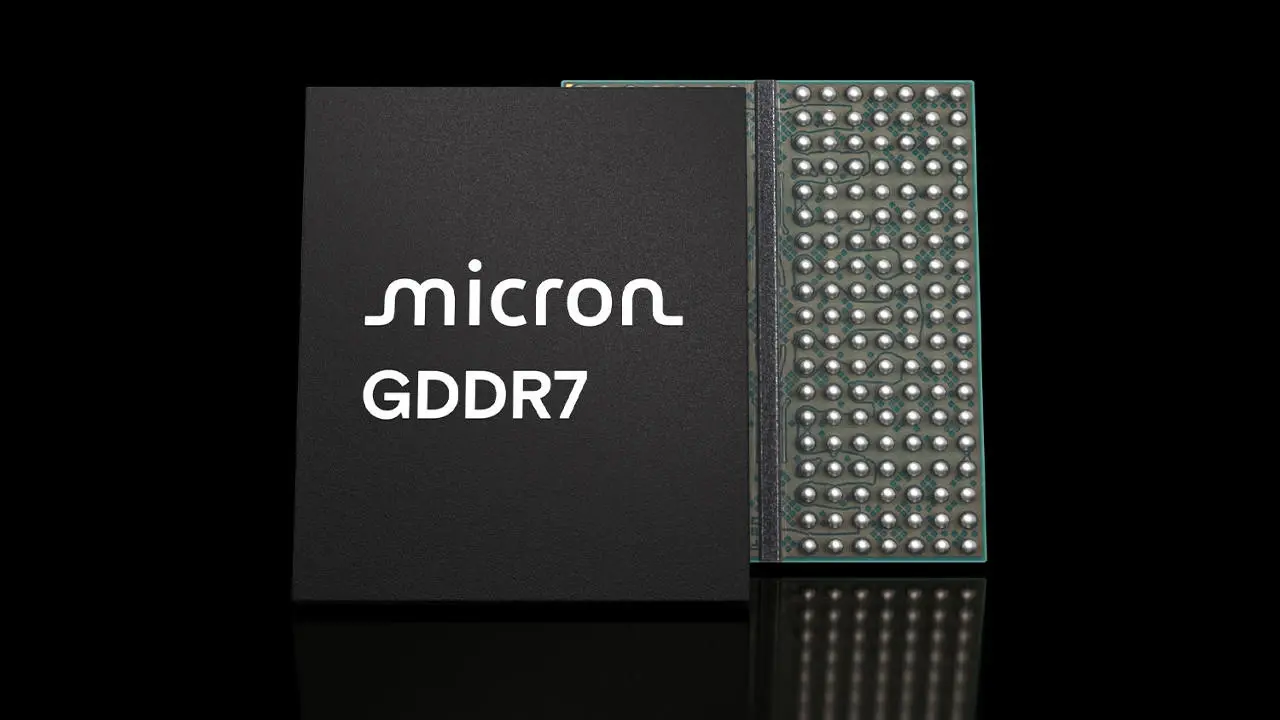
For example, a card originally designed around eight 2GB chips would provide 16GB of memory. Using eight 3GB chips instead would increase that to 24GB.
Such a change is not always practical because board design, memory controller support, product segmentation and cost all have to be considered.
That explains why Micron's remaining 3GB parts are unlikely to directly replace the discontinued 2GB modules across the current generation.
Larger GDDR7 chips are expected in future generations
Memory manufacturers are reportedly preparing even higher density GDDR7 chips for upcoming graphics cards.
Future modules with 4GB and 6GB capacities have been discussed for the 2027 to 2028 period.
Those larger packages could make it easier to build GPUs with substantially more VRAM without increasing the number of physical memory chips installed on the board.
Such parts are more likely to be relevant to future architectures, including NVIDIA's expected RTX 60 generation, rather than current RTX 50 hardware.
For now, the immediate change is simpler.
Micron's 2GB GDDR7 chips are reaching the end of their production life, leaving Samsung and SK Hynix as the primary suppliers for the memory configurations used across most of NVIDIA's current GeForce RTX 50 series.

Discussion (0)
Be the first to comment.