



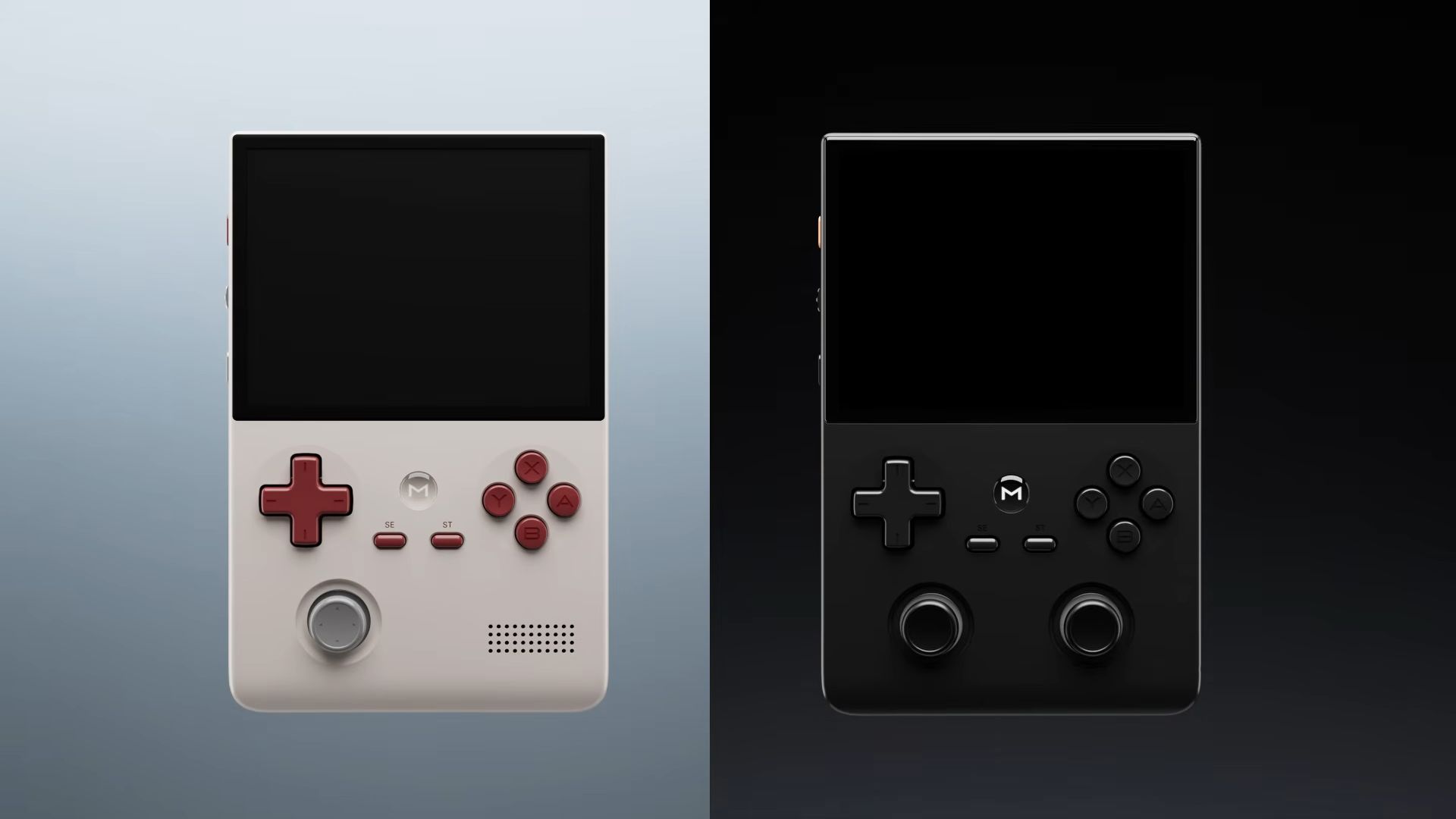
MANGMI has revealed the hardware specifications for the AIR Y and AIR Y Pro, two upcoming Android gaming handhelds inspired by the vertical design of the original Game Boy.
Both models use the same 4.2 inch IPS display with a 4:3 aspect ratio, making them well suited to older console games that were originally designed for square shaped screens. They also share a 5,000mAh battery and similar external connections, but their internal hardware differs considerably.
The standard AIR Y is positioned as the more affordable model. Its performance should be close to the company’s earlier AIR X handheld, while the AIR Y Pro uses a more powerful processor similar to the one found in the Retroid Pocket 5.
MANGMI has not announced pricing or a release date. Those details will be important because the growing retro handheld market already includes several compact systems with similar capabilities.
| Feature | MANGMI AIR Y | MANGMI AIR Y Pro |
|---|---|---|
| Display | 4.2 inch IPS | 4.2 inch IPS |
| Aspect ratio | 4:3 | 4:3 |
| Battery | 5,000mAh | 5,000mAh |
| Operating system | Android 14 | Android 13 |
| Performance level | Similar to AIR X | Similar to Retroid Pocket 5 |
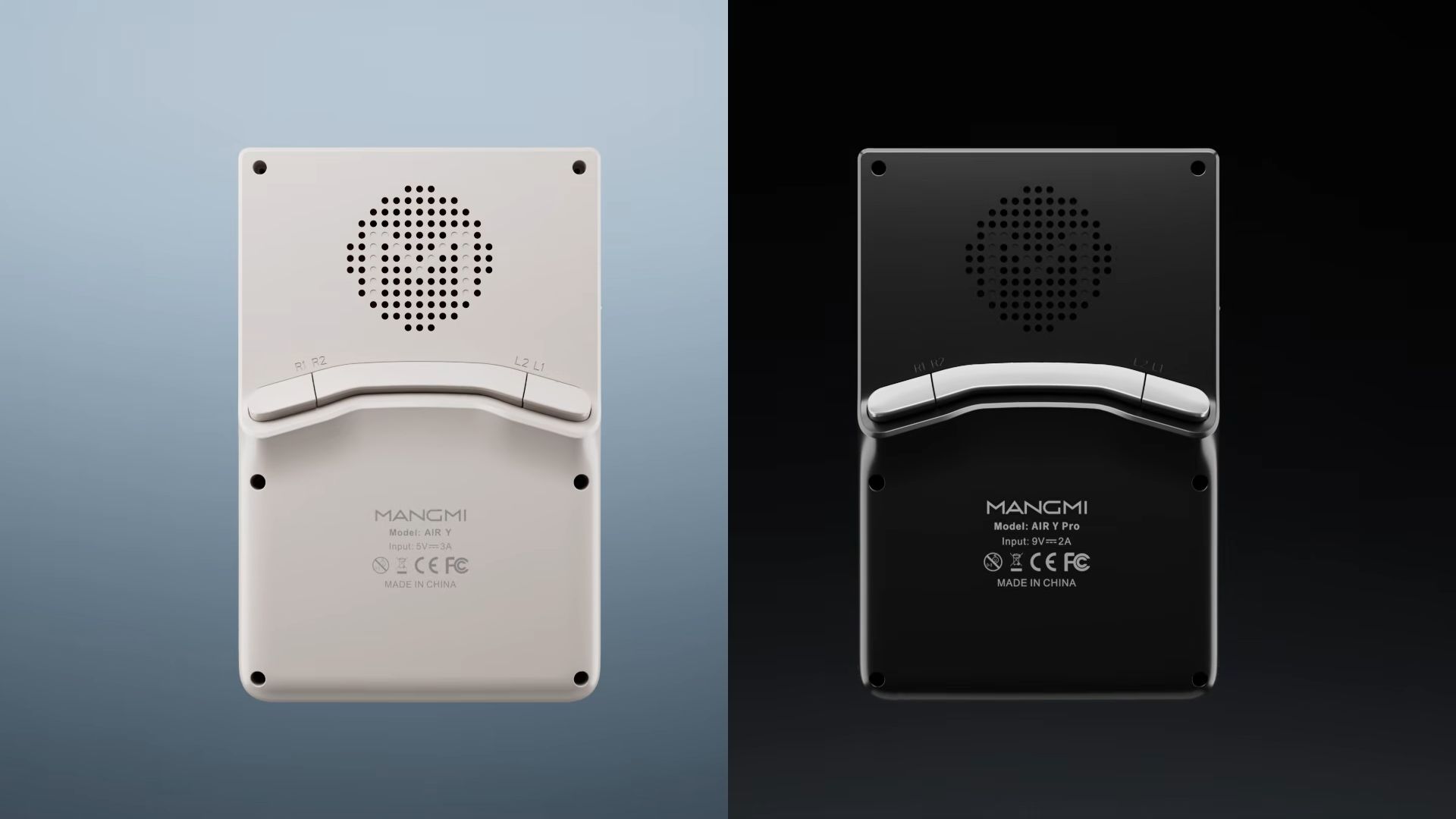
| Speakers | Single speaker | Dual stereo speakers |
| Wireless connectivity | Standard WiFi and Bluetooth | Faster WiFi and newer Bluetooth |
| Charging | Standard charging | Faster charging |
| Memory and storage | Lower capacity | Multiple higher capacity options |
AIR Y targets classic systems and lighter 3D emulation
The standard AIR Y should offer enough performance for most games from systems such as the original PlayStation, Nintendo 64, Dreamcast and PlayStation Portable.
Some GameCube titles may also run, particularly games with lower hardware requirements. More demanding GameCube and PlayStation 2 releases are less likely to provide a consistent experience.
This performance level makes the AIR Y suitable for buyers who mainly want to play games from the 8 bit, 16 bit and early 3D eras. Its 4:3 display should also fit many of those systems without large black borders or aggressive image cropping.
The AIR Y will ship with Android 14, giving it a newer operating system than the Pro model. MANGMI has not explained whether this will lead to longer software support or meaningful differences in application compatibility.
AIR Y Pro offers a major increase in emulation performance
The AIR Y Pro uses a considerably stronger chipset. Its performance should be close to the Retroid Pocket 5, which means it could run most GameCube and Wii games, a large portion of the PlayStation 2 library and selected Nintendo 3DS titles.
Actual results will still vary between games. Some titles may require lower rendering resolutions, frame skipping or individual emulator settings. A powerful processor does not guarantee perfect compatibility across every system.
The Pro model will also be offered with more memory and storage than the standard AIR Y. Multiple configurations are expected, allowing buyers to choose a capacity that matches their game library and Android application needs.
Other improvements include faster charging, stronger wireless connectivity and dual stereo speakers. These changes should make the Pro model more suitable for game streaming and titles that benefit from wider audio separation.
The AIR Y Pro will use Android 13 instead of Android 14. This unusual difference is likely connected to chipset support, although MANGMI has not provided a detailed explanation.
Price will decide how competitive both models are
The AIR Y and AIR Y Pro share the same display size, battery capacity and vertical design, but they target different performance levels.
The standard model appears best suited to classic gaming at a lower price. The Pro version should appeal to players who want stronger GameCube and PlayStation 2 emulation without moving to a larger horizontal handheld.
MANGMI earned attention with the AIR X by providing capable hardware at an affordable price. Repeating that approach could make the AIR Y series competitive, especially if the Pro model remains reasonably priced.
The final value will depend on display quality, controls, cooling, software support and build quality. Pricing and availability remain unconfirmed, so a full comparison with rival handhelds will have to wait.



Discussion (0)
Be the first to comment.