



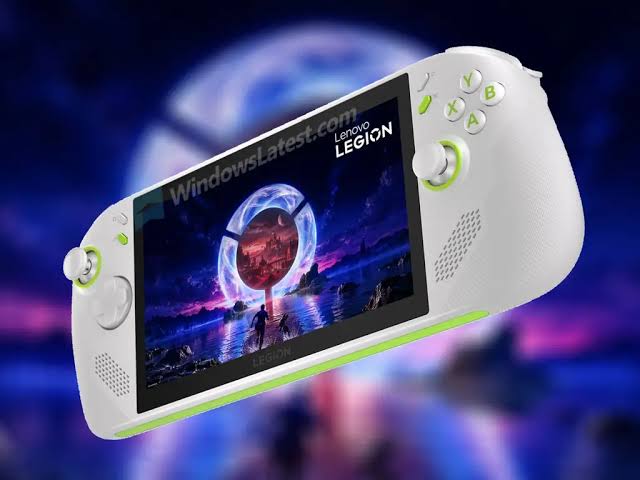
Lenovo is reportedly preparing a new handheld gaming device called the Legion Go Beam, which will run Android instead of Windows 11 or SteamOS.
Recently leaked specifications and images suggest that the upcoming handheld will primarily target cloud gaming, native Android games, and retro game emulation.
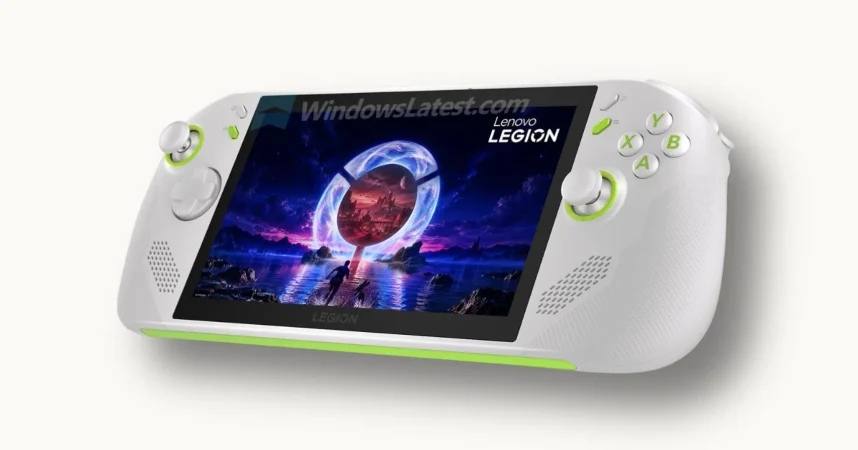
Unlike Lenovo's existing Android handheld, which was released exclusively in Asian markets, the Legion Go Beam is reportedly being prepared for a worldwide launch.
The device could provide a more affordable entry point into Lenovo's handheld gaming ecosystem, particularly as rising hardware costs continue to make conventional handheld gaming PCs more expensive.
Lenovo Legion Go Beam leaked specifications
The Legion Go Beam appears to share several design elements with the Legion Go S, although the leaked images suggest Lenovo has removed the trackpad from the upcoming Android device.
The handheld will reportedly feature a Qualcomm Snapdragon G2 Gen 1 processor alongside a 7 inch display with a 120Hz refresh rate.
| Specification | Lenovo Legion Go Beam |
|---|---|
| Operating system | Android |
| Processor | Qualcomm Snapdragon G2 Gen 1 |
| Display size | 7 inches |
| Refresh rate | 120Hz |
| Wireless connectivity | WiFi 6E |
| Trackpad | No |
| Expected availability | Global |
| Price | Not yet revealed |
| Release date | Not yet revealed |
WiFi 6E connectivity could make the Legion Go Beam particularly suitable for cloud gaming and streaming games from a compatible gaming PC.
However, details regarding its battery capacity, display resolution, memory, and storage configurations have yet to emerge.
Lenovo could face strong competition from affordable Android handhelds
One of the more questionable aspects of the upcoming Legion Go Beam is its reported processor choice.
The Snapdragon G2 Gen 1 offers performance reportedly comparable to the Snapdragon 6 Gen 3 and MediaTek Dimensity 7400.
While this should provide sufficient processing power for various Android games and emulation workloads, competing handhelds already offer more powerful hardware at relatively affordable prices.
For example, the Retroid Pocket 5 is available for $179 before shipping and features a more capable processor.
This makes Lenovo's pricing strategy particularly important. A relatively expensive Legion Go Beam could struggle to compete against established Android handheld manufacturers, especially among buyers who prioritize native gaming and emulation performance.
However, Lenovo could differentiate its device through ergonomics, display quality, battery endurance, and software optimization.
The Legion Go Beam could also appeal to those looking for a dedicated cloud gaming handheld similar to the Logitech G Cloud.
If you primarily stream games through cloud gaming services or from your gaming PC, purchasing a device with expensive desktop class hardware may be unnecessary.
Lenovo has yet to officially reveal the Legion Go Beam's complete specifications, pricing, or release schedule. Until those details become available, it remains difficult to determine how competitive the handheld will be in the increasingly crowded Android gaming market.


Discussion (0)
Be the first to comment.