



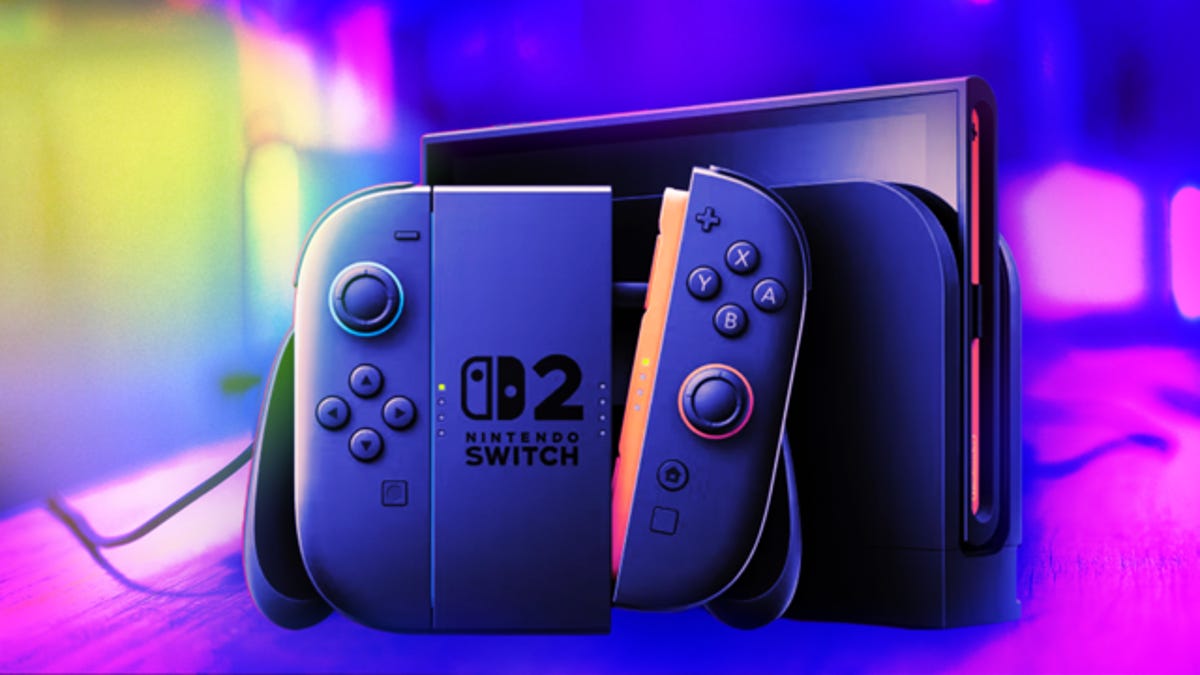
Kingdom Hearts 3 on Nintendo Switch 2 shows how important DLSS can be for the system, because the game’s legacy Unreal Engine 4 build does not support the upscaling feature and early demo analysis shows performance falling behind expectations. The game is not broken, but without DLSS, Switch 2 appears to struggle more than it does in other demanding ports that use Nvidia’s upscaling technology.
Square Enix is bringing Kingdom Hearts Collection I to III to Nintendo Switch 2 ahead of Kingdom Hearts 4, giving Nintendo players a native way to experience the series on the new hardware. A playable demo for Kingdom Hearts 3 is already available before the collection’s October launch, and early technical analysis suggests the port is playable but not yet where many fans would want it to be.
The most important detail is that Kingdom Hearts 3 runs at native resolution because its older Unreal Engine 4 build does not support DLSS. That removes one of Switch 2’s strongest tools.
Kingdom Hearts 3 runs close to PS4 visually but not in performance
The Switch 2 version uses dynamic resolution scaling. In handheld mode, it targets a dynamic 1080p image, while docked mode can reach a dynamic 1224p output. Compared with the PlayStation 4 version running through backward compatibility on PlayStation 5, the visual differences are not huge.
The handheld version shows lower resolution and some changed reflections, but the basic image quality and detail level appear close enough for a portable version. The bigger issue is frame rate.
| Version or feature | Current demo detail |
|---|---|
| Platform | Nintendo Switch 2 |
| Game | Kingdom Hearts 3 |
| Collection launch | October 2026 |
| Handheld resolution | Dynamic 1080p |
| Docked resolution | Dynamic 1224p |
| Upscaling | No DLSS support |
| Engine | Legacy Unreal Engine 4 build |
| Main concern | Frame rate drops into the 30 FPS range |
| Comparison point | PS4 version on PS5 holds 60 FPS more consistently |
Despite Switch 2 having a more modern architecture and more memory than older hardware, the lack of DLSS appears to hurt performance.
DLSS is one of Switch 2’s biggest advantages
Nintendo Switch 2 has already shown that it can deliver surprisingly strong ports when developers use DLSS well. Games such as Cyberpunk 2077, Star Wars Outlaws, and Final Fantasy VII Rebirth have helped show how upscaling can make demanding titles work on a portable hybrid system.
Kingdom Hearts 3 does not have that advantage. Because the game outputs at native resolution, the hardware has to work harder to maintain image quality and frame rate at the same time.
The demo may not reflect the final release
The current demo should not be treated as the final word on the port. Square Enix has already shown that early demos can improve before release. Final Fantasy VII Rebirth on Switch 2 reportedly launched in better shape than its demo suggested, so there is still room for optimization.
The final Kingdom Hearts 3 port could improve through better dynamic resolution behavior, frame pacing fixes, adjusted visual settings, or other engine level tuning. The October launch gives Square Enix more time to polish the collection.
Still, players expecting a locked 60 FPS experience should be cautious until the final version is tested.
Switch 2 can punch above its weight, but older engines may limit it
The Kingdom Hearts 3 demo highlights a larger issue for Switch 2. The system’s best results may come from games designed or updated to use DLSS properly. Older games running on legacy builds may not benefit from the same tools, even if they are technically less advanced than newer ports.
That creates an unusual situation. A more demanding modern game can sometimes look and run better than an older title if it uses the right upscaling pipeline.
For developers, this means Switch 2 ports may need more than basic resolution and settings changes. Proper support for the system’s strengths could decide whether a port feels impressive or compromised.
Kingdom Hearts fans should wait for the final version before judging
Kingdom Hearts Collection I to III is still an important release for Nintendo players. The series has long deserved proper native support on Nintendo hardware, and the Switch 2 version gives fans a portable way to play the mainline games before Kingdom Hearts 4.
The Kingdom Hearts 3 demo raises valid concerns, especially for players who care about stable 60 FPS performance. But it also shows that the game is not in a disastrous state. The visuals are close to older console versions, and the problems may be improved before launch.
For now, the demo is best seen as a technical warning. Switch 2 can deliver strong results when DLSS is part of the equation, but Kingdom Hearts 3 shows what happens when that crutch is removed. Square Enix still has time to improve the final release, but this port may need careful optimization to match the stronger Switch 2 conversions fans have already seen.



Discussion (0)
Be the first to comment.