



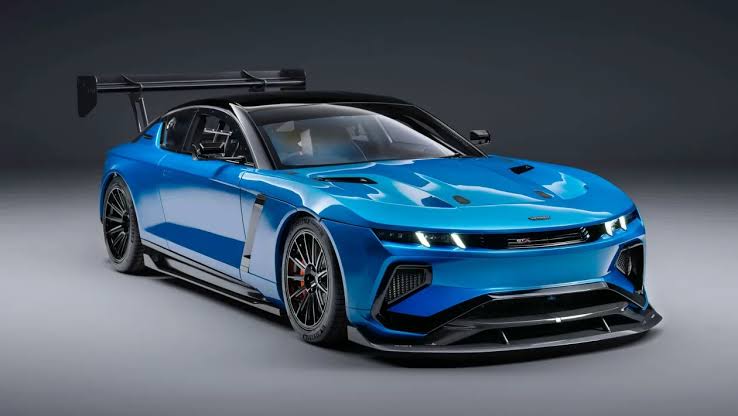
The Jensen Interceptor name has returned in the form of a new high performance prototype called the Interceptor GTX, combining a supercharged V8, rear mounted sequential gearbox, extensive aerodynamic work, and a stripped back cockpit.
The car has been developed by Jensen International Automotive and marks 60 years since the original Interceptor arrived in 1966.
Rather than modifying an existing classic car, the GTX is described as a ground up engineering project that takes visual inspiration from the original while using modern construction, aerodynamics, and race hardware.
| Specification | Jensen Interceptor GTX |
|---|---|
| Engine | 6.8 litre supercharged V8 |
| Standard output | 960hp |
| Maximum engineered output | Up to 1,200hp |
| Maximum torque | Over 1,100 lb ft |
| Transmission | Six speed sequential |
| Drive layout | Rear wheel drive |
| Downforce | More than 350kg |
| Brakes | AP Racing steel discs |
| Seats | Tillett carbon fibre buckets |
| Main display | MoTeC telemetry screen |
Supercharged V8 Can Produce Up to 1,200HP
The GTX uses a bespoke 6.8 litre supercharged V8 developed by Late Model Engines in Texas.
The engine includes CNC machined cylinder heads, titanium valves, and a 2.65 litre Roots type supercharger.
In its standard configuration, output is rated at 960hp.
The engine has also been engineered to support more aggressive tuning, with Jensen saying it can produce as much as 1,200hp and more than 1,100 lb ft of torque depending on the selected power map.
This continues one of the defining elements of the original Interceptor, which paired British design with American V8 power.
Sequential Gearbox Is Mounted at the Rear
Power is transferred through a custom carbon fibre driveshaft housed inside a steel torque tube.
At the rear sits a Samsonas Motorsport six speed sequential transmission.
Drivers can shift through column mounted paddles or a central gear lever.
The straight cut dog gear setup is intended to give the car a more direct and mechanical character than a conventional automatic or dual clutch transmission.
The rear mounted transmission also helps with weight distribution by moving part of the drivetrain away from the front axle.
Aero Package Generates More Than 350kg of Downforce
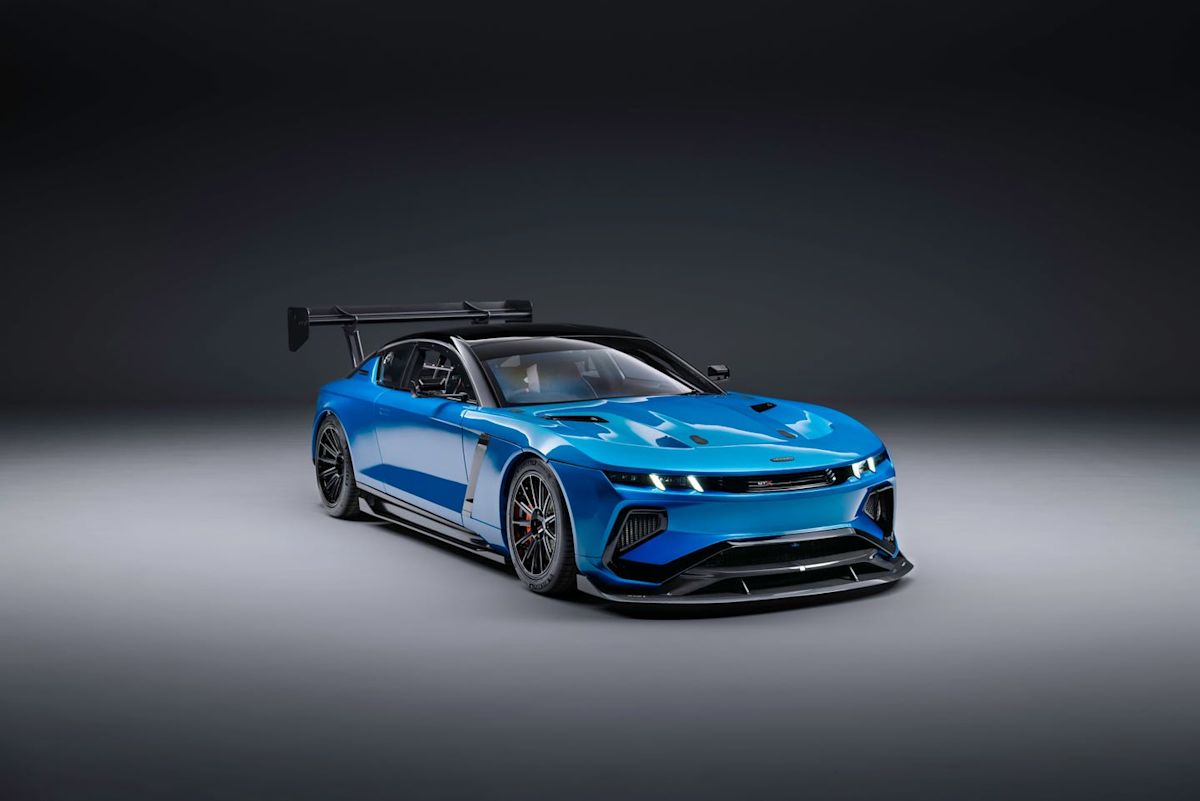
The GTX retains several visual elements associated with the original Interceptor, including its long nose, rearward cabin position, and wraparound rear glass.
The body, however, has been redesigned for track use.
It uses aluminium panels handcrafted by Coventry Metalcraft.
Major aerodynamic additions include a large front splitter, deep side channels, a flat floor, and a substantial carbon fibre rear wing.
Together, these elements are claimed to produce more than 350kg, or around 770 pounds, of downforce.
Driver Aids Are Deliberately Limited
Jensen has kept the electronic assistance package relatively simple.
The GTX includes adjustable traction control, configurable launch control, and race calibrated ABS.
Beyond those systems, the emphasis is on keeping the driving experience more direct.
Braking is handled by AP Racing steel discs rather than more exotic carbon ceramic hardware.
The car is positioned as a track focused machine that relies more heavily on mechanical grip, aero, and driver input than extensive electronic intervention.
Interior Focuses on Safety and Telemetry
The cabin has been stripped down for circuit use.
It includes FIA approved equipment, a bespoke safety cage, and Tillett carbon fibre bucket seats with six point harnesses.
Alcantara trim is used in selected areas, but the overall design is focused on function rather than luxury.
A MoTeC telemetry display serves as the main information screen.
The layout is intended to give the driver essential performance data without adding unnecessary interior equipment.
GTX Will Lead to Two Road Cars
The Interceptor GTX is not expected to remain an isolated prototype.
Jensen says the engineering work from this car will support the development of two street legal models.
The first will be the Interceptor GTR, positioned as a high performance road car that retains much of the GTX's analogue character.
The second will be the Interceptor GT, which will focus more heavily on grand touring and luxury.
That gives the GTX a broader purpose beyond track development.
It serves as the technical foundation for Jensen's wider attempt to revive the Interceptor name with a new generation of performance cars.
With 960hp in standard form, a chassis designed around serious downforce, and a powertrain capable of significantly more, the GTX represents the most extreme version of that revival so far.


Discussion (0)
Be the first to comment.