



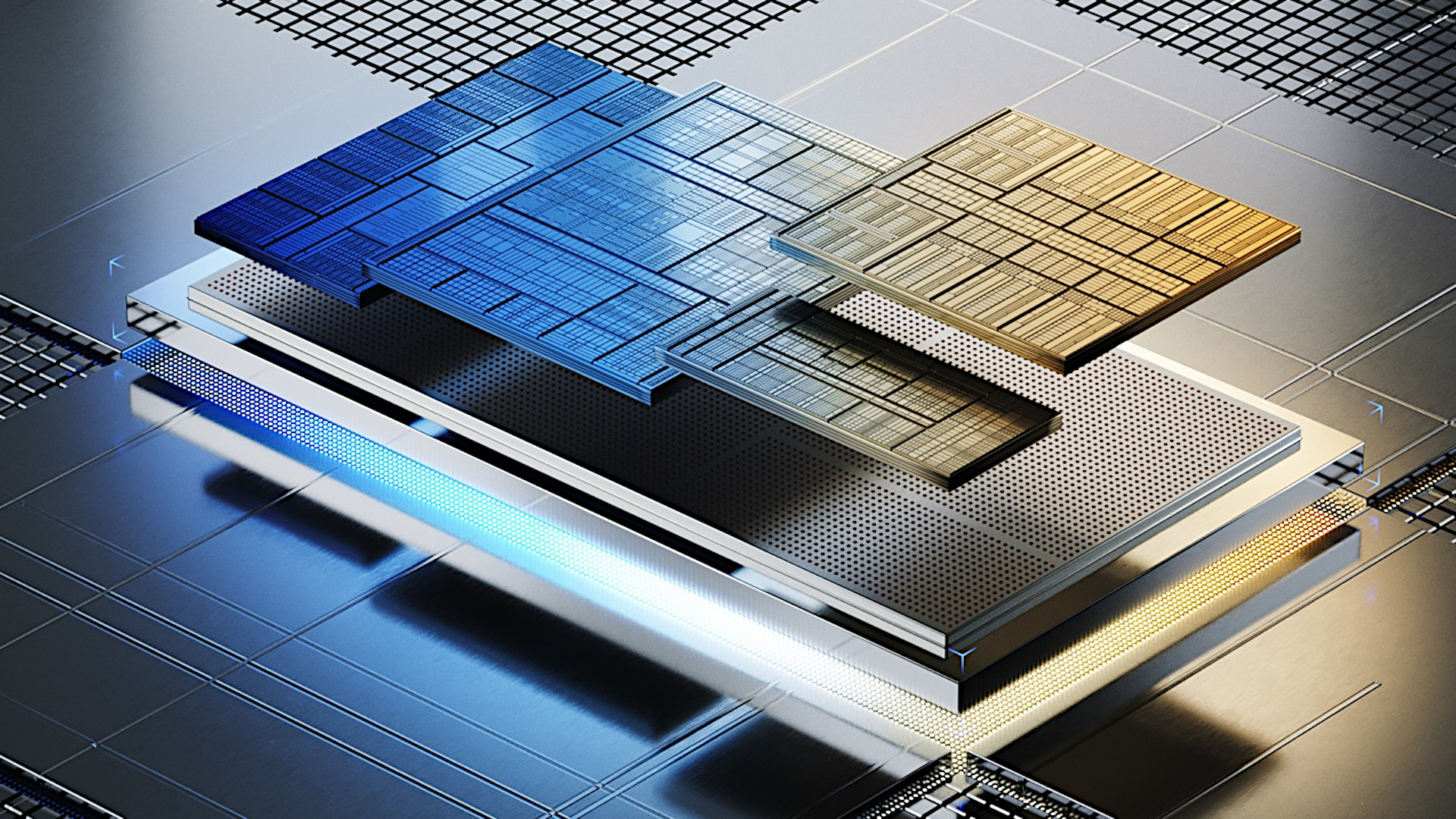
Intel’s next desktop CPU socket has appeared online for the first time, giving an early look at the platform expected to support the company’s upcoming Nova Lake processors. The socket is called LGA 1954, and it is designed for Intel’s next generation desktop chips that are expected to move beyond the current LGA 1851 platform.
The leaked image reportedly shows a real LGA 1954 socket sample spotted in Taipei. While it is not clear which motherboard maker produced the sample, the appearance suggests that Intel’s partners are already preparing hardware for Nova Lake desktop CPUs. That is normal ahead of a major platform launch, as motherboard vendors need time to validate sockets, boards, power delivery, BIOS support, and cooling compatibility.
The most interesting detail is the socket’s dual retention design. This should help hold the processor more securely in place, which matters because newer desktop CPUs are becoming more complex and may need better pressure distribution between the chip and cooler.
LGA 1954 may support existing LGA 1851 coolers
The LGA 1954 socket is expected to keep the same physical dimensions as LGA 1851, measuring 45 x 37.5 mm. That is important because it could allow compatibility with existing LGA 1851 coolers. If true, users upgrading from a newer Intel platform may not need to replace their CPU cooler.
That would be a welcome move. A new platform already means buying a new motherboard and possibly new memory, depending on final specifications. Keeping cooler compatibility would reduce some upgrade friction, especially for people using expensive air coolers or liquid AIO units.
| Feature | Expected detail |
|---|---|
| Socket name | LGA 1954 |
| CPU family | Intel Nova Lake S |
| Socket size | Same as LGA 1851 |
| Cooler support | Expected LGA 1851 compatibility |
| Retention system | Dual retention design |
| Future chipset | Z990 expected for flagship boards |
| Maximum CPU configuration | Up to 52 cores reported |
Nova Lake S is expected to be Intel’s next major desktop CPU family. Previous reports have suggested that the lineup could scale up to 52 cores, which would be a major jump for Intel’s mainstream desktop platform. These chips are also expected to use new CPU core designs and a mix of integrated GPU technologies.
The integrated graphics side may be especially different. Nova Lake is expected to combine Xe3 and Xe3P graphics architectures, which would make it one of Intel’s more unusual desktop CPU families. There have also been reports of more APU style variants, possibly designed to compete more directly with AMD’s stronger integrated graphics offerings.
The socket leak also suggests that Intel’s next motherboard ecosystem is moving forward. Flagship boards are expected to use the Z990 chipset, with other chipsets likely following later. These boards should replace the current LGA 1851 generation for high end desktop builds.
However, it is still too early to treat every detail as final. Engineering samples and early socket hardware can change before launch. Motherboard makers often test early boards months before retail products appear, and final specifications may depend on Intel’s launch schedule, BIOS readiness, power targets, and platform validation.
The timing is also worth watching. Some reports have pointed to Nova Lake arriving later than originally expected, while others still suggest Intel wants to bring desktop and mobile versions forward in the near future. Either way, the appearance of the socket shows that the platform is no longer just a roadmap item. Physical hardware is already circulating among partners.
For PC builders, the biggest practical detail is cooler compatibility. If LGA 1954 works with LGA 1851 coolers, that would make upgrading slightly easier. The bigger question is whether Nova Lake can deliver enough performance, efficiency, and platform value to compete with AMD’s long lived AM5 platform.
Intel needs Nova Lake to be more than another socket change. It needs a platform that feels worth the upgrade. More cores, stronger integrated graphics, better power handling, and modern motherboard features could help, but pricing and availability will matter just as much.
The leaked LGA 1954 socket is only one early piece of the puzzle, but it gives a clear signal. Intel’s Nova Lake desktop platform is getting closer, and motherboard vendors are already preparing for the next round of high end PC hardware.



Discussion (0)
Be the first to comment.