



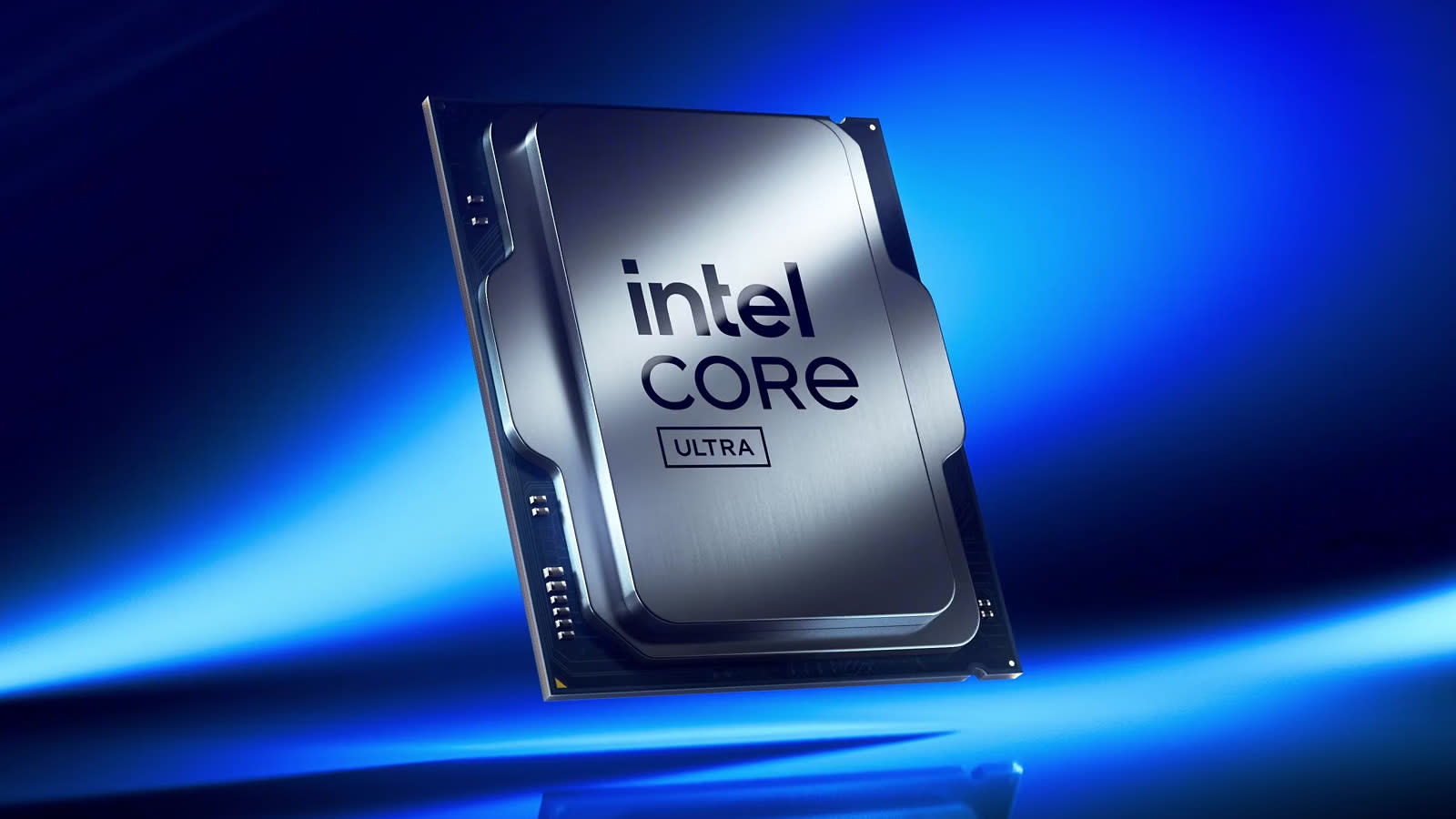
Intel’s new Core 9 273PQE has arrived with the kind of design many desktop enthusiasts have wanted for years, but early testing shows that more performance cores are not enough to beat older gaming CPUs. The Bartlett Lake flagship has 12 P cores and no E cores, yet it failed to clearly outperform the four year old Core i9 13900K in game benchmarks.
That result is important because Bartlett Lake was expected to answer a long running request from some Intel fans. Instead of using Intel’s usual mix of performance cores and efficiency cores, the Core 9 273PQE uses only Raptor Cove P cores. In theory, that should make it attractive for workloads where strong cores matter more than high core counts spread across different core types.
The problem is that gaming does not always work that way. Many games still do not scale well beyond eight cores, so adding more P cores brings smaller returns. The Core 9 273PQE has 50 percent more P cores than the Core i9 13900K and Core i9 14900K, but that extra hardware did not translate into a clear gaming win.
Testing from PC Games Hardware showed the Core 9 273PQE performing close to the Ryzen 7 9700X and Core i5 14600K in gaming. It was also only slightly faster than the Core i9 13900K when both chips were tested on the same W680 platform with DDR5 5600 C46 memory. However, when the Core i9 13900K was tested with faster DDR5 6000 C28 memory, it moved ahead by up to 8.5 percent.
| Processor | Main detail | Gaming result in the test |
|---|---|---|
| Core 9 273PQE | 12 P cores, no E cores | Close to Ryzen 7 9700X and Core i5 14600K |
| Core i9 13900K | 8 P cores and 16 E cores | Faster with stronger DDR5 memory |
| Core i9 14900KS | Higher clocks than 13900K | Ahead of Bartlett Lake in the selected results |
| Ryzen 9 9950X3D2 | 3D V Cache flagship | Led the benchmark index |
| Ryzen 7 9700X | Eight core Zen 5 CPU | Nearly matched the Core 9 273PQE in gaming |
The memory result is one of the biggest takeaways. The Core i9 13900K gained almost 10 percent in the gaming performance index after moving from DDR5 5600 C46 to DDR5 6000 C28. That shows how much platform tuning and memory speed can matter in CPU limited gaming tests.
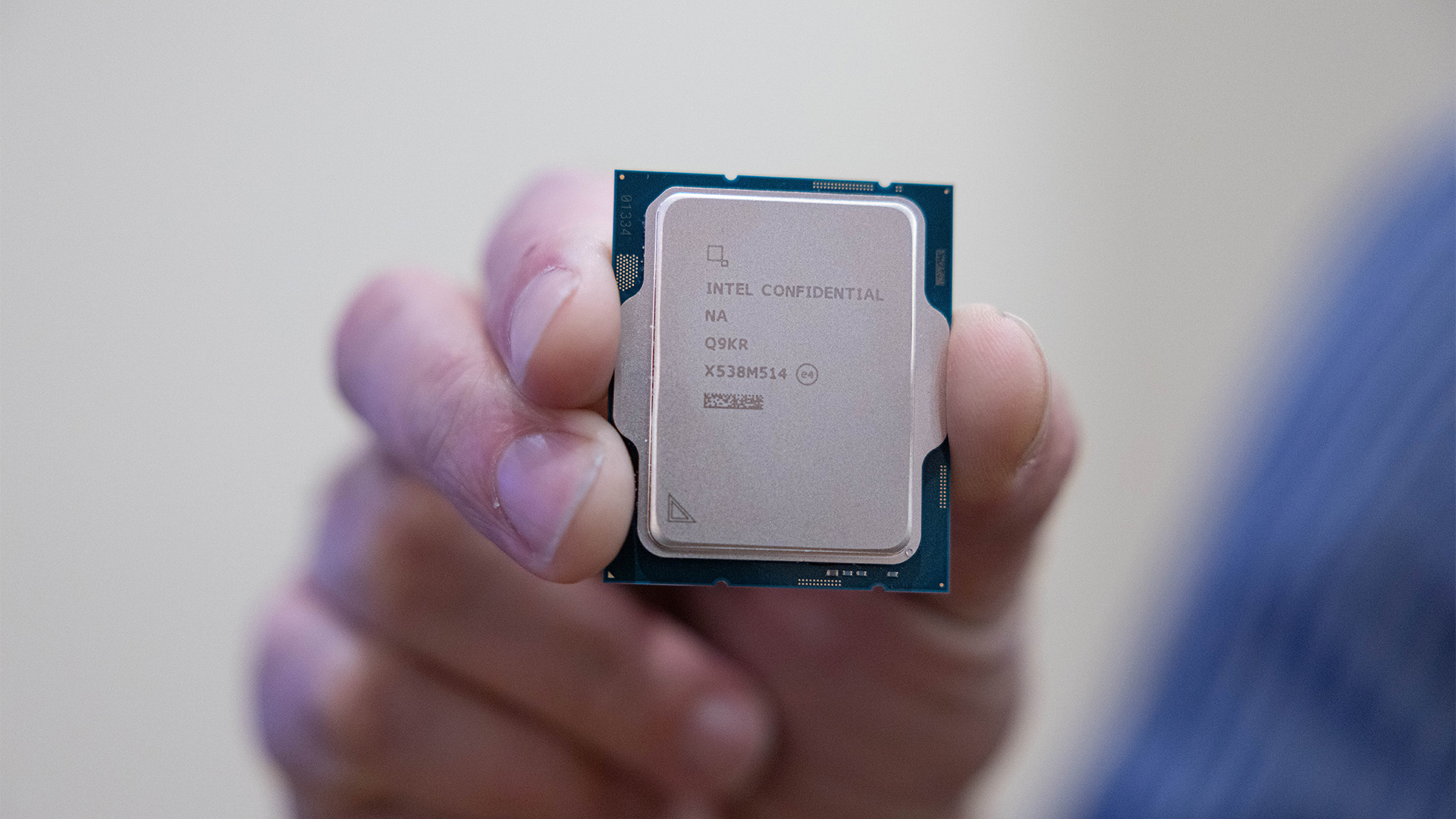
The Core 9 273PQE also faced limits because Bartlett Lake is not a normal consumer release. Intel has restricted the lineup to OEMs and embedded uses, so mainstream buyers cannot simply buy the chip and pair it with a high end gaming motherboard. PC Games Hardware used an ASRock W680 board built for this type of processor, but that platform does not offer the same flexibility enthusiasts expect from consumer boards.
Application performance was better than some mid range chips, but still not enough to make Bartlett Lake look like a breakthrough. The Core 9 273PQE beat the Core i5 14600K and Ryzen 7 9700X in application testing, but it still trailed the Core i9 13900K by a large margin.
This does not mean Bartlett Lake is a bad chip. It means the design is better suited to its actual market than to gaming desktops. For embedded and commercial systems, 12 strong P cores on a familiar LGA1700 platform may make sense. For gamers, the chip mostly proves that core layout alone is not enough.
Intel’s bigger opportunity now sits with Nova Lake, the next major desktop generation. Bartlett Lake may keep LGA1700 alive in a limited way, but it does not change the gaming CPU race. For now, older Intel chips and AMD’s newer gaming focused processors remain more relevant for people building high performance gaming PCs.



Discussion (0)
Be the first to comment.