



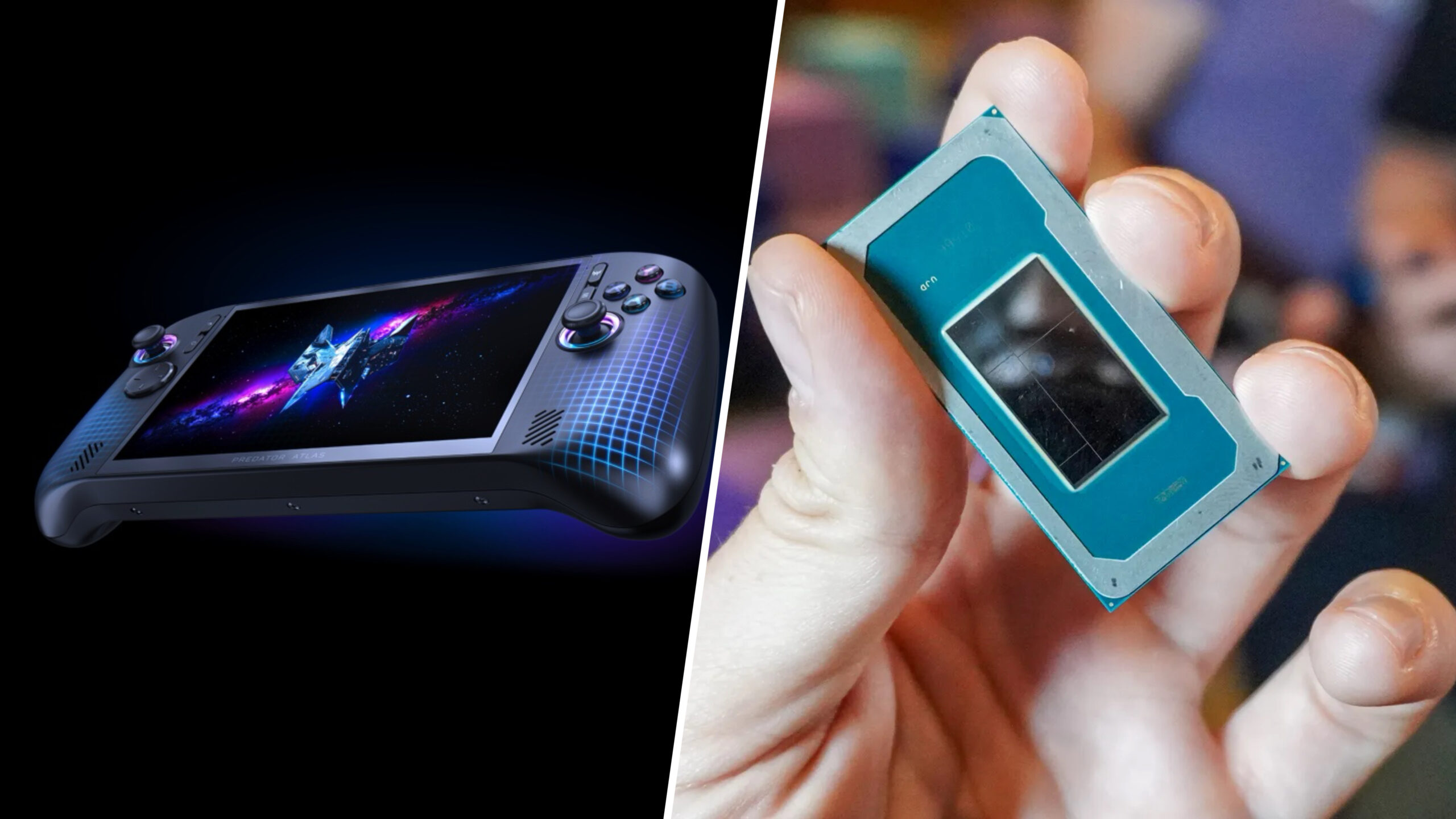
Intel is making a serious push into handheld gaming PCs with its new Arc G Series chips, a lineup built specifically for portable gaming devices. The move could finally challenge AMD’s long running lead in this category, where Ryzen based chips have powered most major Windows handhelds and Steam Deck alternatives.
Intel first teased its handheld plans at CES 2026, saying it was working on new Panther Lake based systems on chip for portable gaming. At the time, the company said at least 11 partners were involved, including Acer, MSI, and Microsoft. Now, Intel has shared more details ahead of Computex, confirming two chips: Arc G3 and Arc G3 Extreme.
Both chips use a 14 core CPU layout with 2 performance cores, 8 efficiency cores, and 4 low power efficiency cores. The main difference is graphics. Arc G3 uses Arc B370 graphics with 10 Xe cores, while Arc G3 Extreme uses Arc B390 graphics with 12 Xe cores.
Arc G3 Extreme is the chip handheld gaming fans should watch closely
The Arc G3 Extreme looks like the more exciting part of Intel’s new lineup. It comes with Arc B390 integrated graphics, 12 Xe GPU cores, a maximum graphics frequency of 2.3GHz, and support for XeSS 3. That means handheld makers can use Intel’s upscaling, multi frame generation, and low latency tools to improve performance in portable devices.
| Chip | CPU cores | GPU | Xe cores | Max GPU frequency | TDP range |
|---|---|---|---|---|---|
| Intel Arc G3 | 14 | Arc B370 | 10 | 2.2GHz | 8W to 30W |
| Intel Arc G3 Extreme | 14 | Arc B390 | 12 | 2.3GHz | 8W to 35W |
Those features matter because handheld PCs need to balance performance, battery life, heat, and screen resolution. Raw power is useful, but upscaling and frame generation can help games feel smoother without forcing the chip to run at full load all the time.
Acer has already announced the Predator Atlas 8 as one of the first handhelds using Intel’s new Arc G Series chips. It will include an 8 inch FHD Plus display with a 120Hz refresh rate, up to 24GB of LPDDR5X RAM, and up to 1TB of M.2 PCIe 4.0 NVMe SSD storage.
MSI is also expected to use the Arc G3 Extreme in the Claw 8 EX AI Plus, following an earlier leak. That is notable because MSI was one of the few companies willing to use Intel chips in handhelds before this push, while most of the market stayed with AMD.
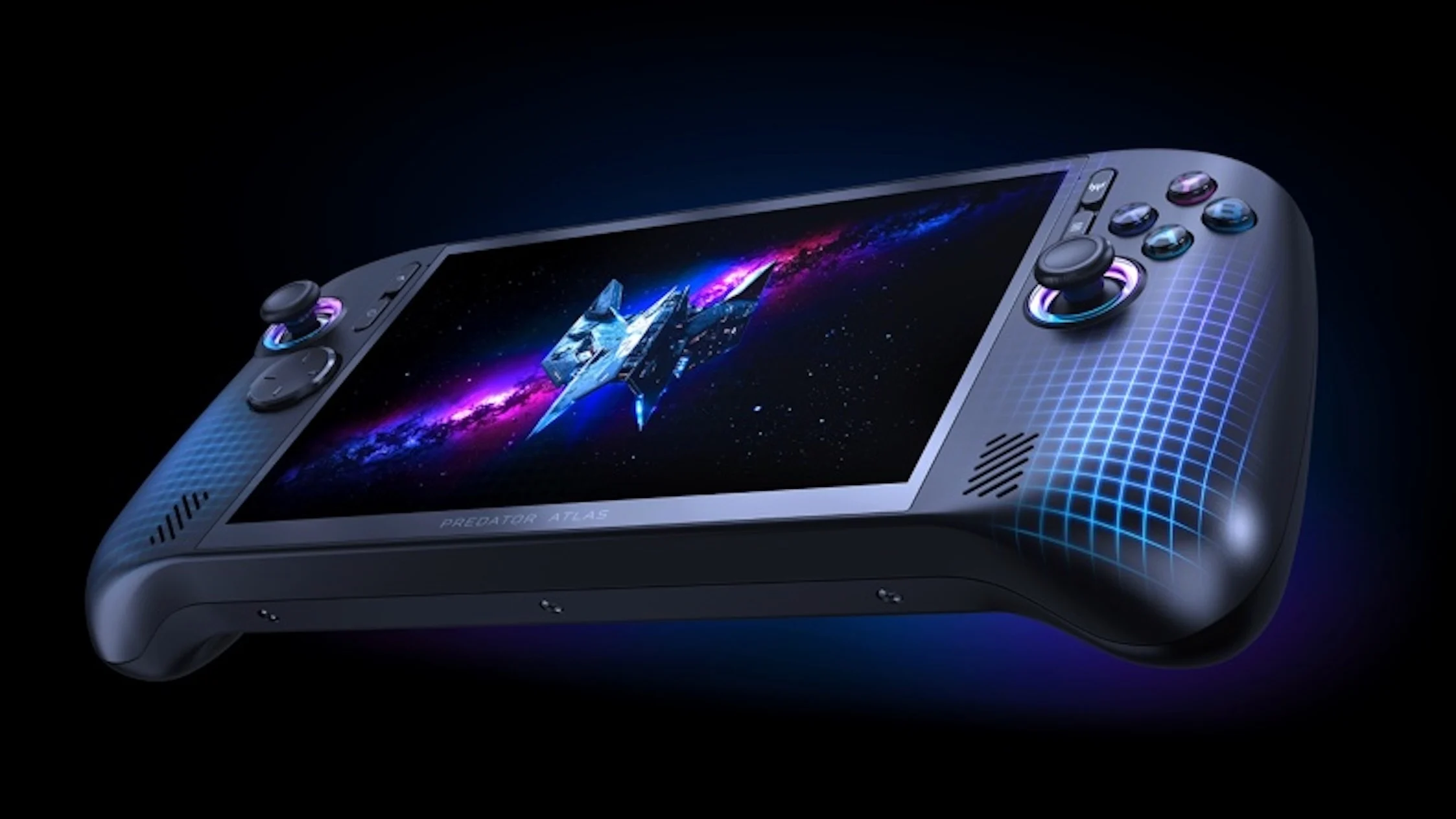
Intel says devices with Arc G Series chips should start arriving in June 2026, with broader availability later in the year. Pricing is still unclear, and that may become the biggest problem. The handheld PC market is already under pressure from rising memory and storage costs, and even Valve has raised Steam Deck prices sharply because of component increases.
Still, the chip itself is important. AMD has dominated handheld gaming PCs for years because its APUs offered the right mix of CPU power, graphics performance, and efficiency. Intel now appears to be building chips for this exact market instead of relying on general laptop processors.
The real test will come once devices like the Predator Atlas 8 are reviewed. Specs alone cannot prove battery life, thermals, driver quality, or real world game performance. But Intel now has a clearer handheld strategy, stronger integrated graphics, and dedicated partners ready to build devices around the chips.
For players, that is good news. More competition could lead to better handhelds, stronger software support, and more choices beyond AMD powered devices. AMD still has the lead, but Intel’s Arc G Series shows it is no longer sitting on the sidelines.



Discussion (0)
Be the first to comment.