



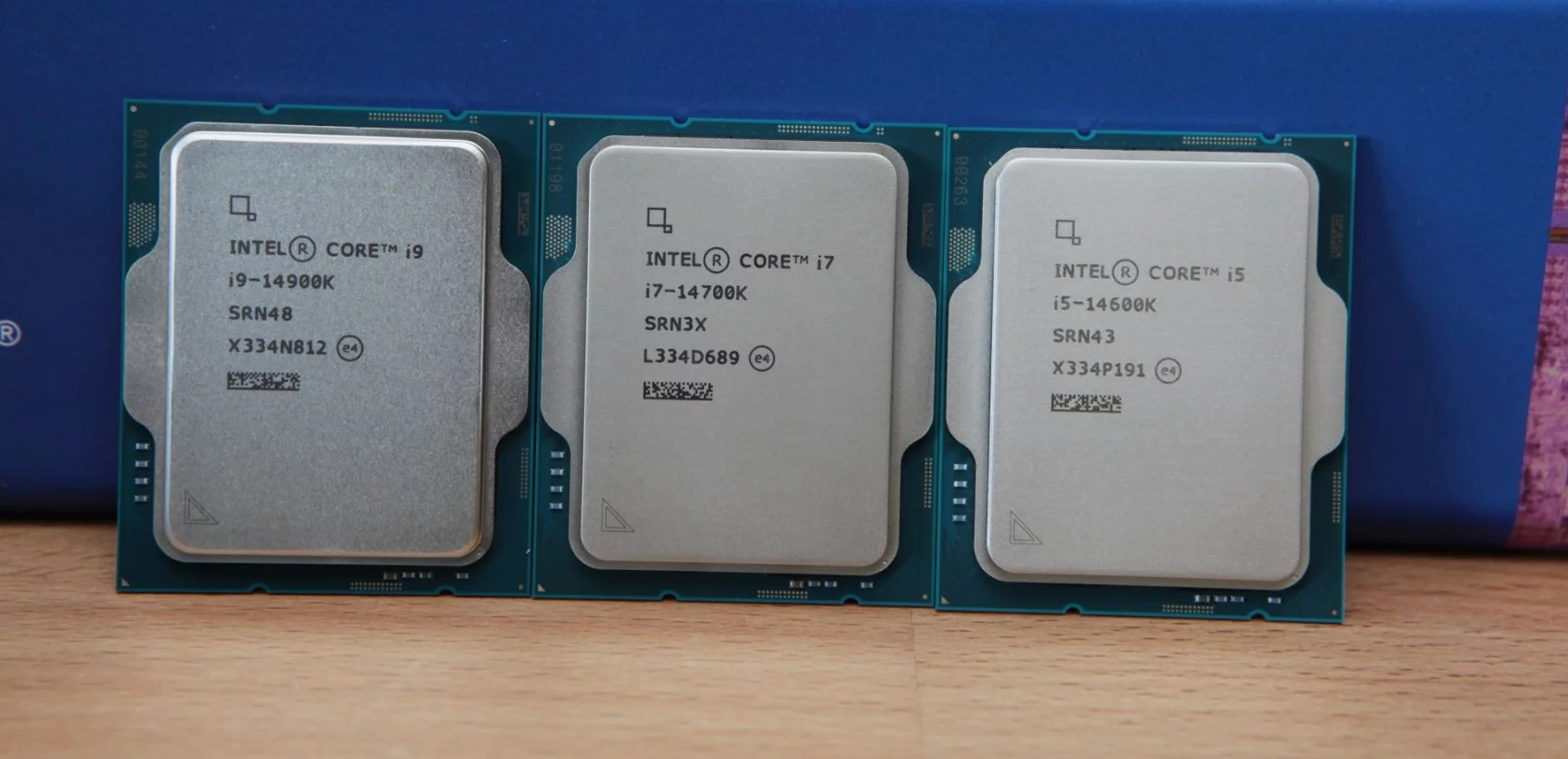
Intel plans to keep its Raptor Lake desktop processors available for years as rising memory prices encourage more PC builders to remain on DDR4 platforms.
The company says demand for its older LGA 1700 processors has increased as the cost of moving to newer DDR5 based systems continues to rise. Raptor Lake is particularly useful in the current market because the platform supports both DDR4 and DDR5 motherboards, giving buyers more flexibility when choosing memory.
Intel’s 13th Gen and 14th Gen Core processors are therefore expected to remain an important part of the company’s client portfolio even as newer Core Ultra products continue to launch.
Raptor Lake remains useful for DDR4 PC builds
| Area | Details |
|---|---|
| Processor family | Intel Raptor Lake |
| Generations | 13th Gen and 14th Gen Core |
| Socket | LGA 1700 |
| Memory support | DDR4 and DDR5, depending on motherboard |
| Main reason for extended availability | High DDR5 prices |
| Expected availability | Years to come |
| Planned refresh | Core 7, Core 5 and Core 3 models |
| Maximum reported core count | Up to 20 cores |
Intel executive Robert Hallock said there remains significant interest in DDR4 systems, giving the company a reason to continue supplying its older processors.
That flexibility has become more valuable as DDR5 prices have increased sharply. Someone already using a DDR4 system can upgrade the processor or motherboard without necessarily replacing memory at the same time.
Moving to a newer platform can require a new CPU, motherboard and DDR5 kit, making the total cost significantly higher.
Intel is preparing another Raptor Lake refresh
Intel is also reportedly working on another refresh of the Raptor Lake desktop family.
The lineup is expected to include Core 7, Core 5 and Core 3 models with configurations reaching up to 20 CPU cores while retaining compatibility with the LGA 1700 socket.
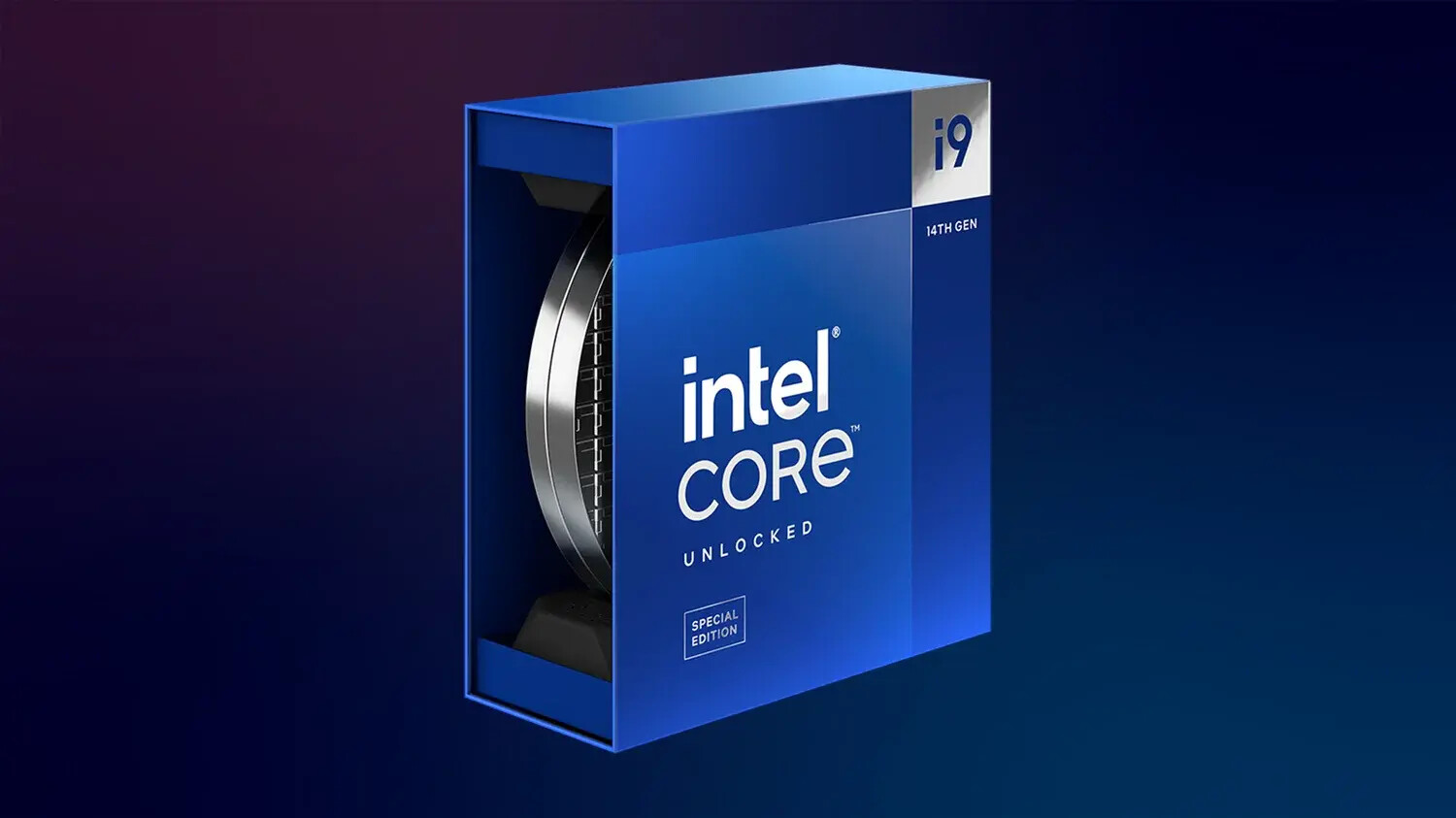
Keeping the same socket could make the processors attractive to owners of existing Intel systems who want additional performance without replacing every major component.
This approach is similar to what AMD has done with older Ryzen platforms. AMD has continued introducing new processors for established AM4 and AM5 systems, allowing customers to upgrade within hardware they already own.
DDR5 prices make older platforms more relevant
Memory pricing is the main factor behind Intel’s renewed focus on older hardware.
DDR4 has also increased in price, but it remains a practical option for many existing systems. DDR5 owners looking to expand their capacity are facing much higher prices than they paid previously, while buyers moving from DDR4 can face a substantial additional platform cost.
That has made older CPUs and motherboards more attractive than they would normally be several generations after launch.
Intel had also worked with motherboard and memory partners on HUDIMM technology as another way to address DDR5 costs, but the standard reportedly failed to gain significant adoption.
Newer Intel CPUs will continue alongside Raptor Lake
Extending Raptor Lake does not mean Intel is moving away from newer architectures.
The company continues selling its Core Ultra 200S Plus desktop processors, which improved the value proposition of the Arrow Lake platform. Retail discounts and game bundles have also made some of those CPUs more competitive.
Intel is also developing Nova Lake for the high end and enthusiast desktop market.
On laptops, Lunar Lake is being expanded for broader availability, while Panther Lake and Wildcat Lake target other segments.
The result is likely to be a wider Intel portfolio where older and newer architectures remain available at the same time.
For PC builders, Raptor Lake’s biggest advantage is simple: it gives you the option to stay with DDR4 while memory prices remain unusually high. If current memory shortages continue for several more years, Intel’s LGA 1700 platform could remain relevant much longer than a typical desktop CPU generation.



Discussion (0)
Be the first to comment.