



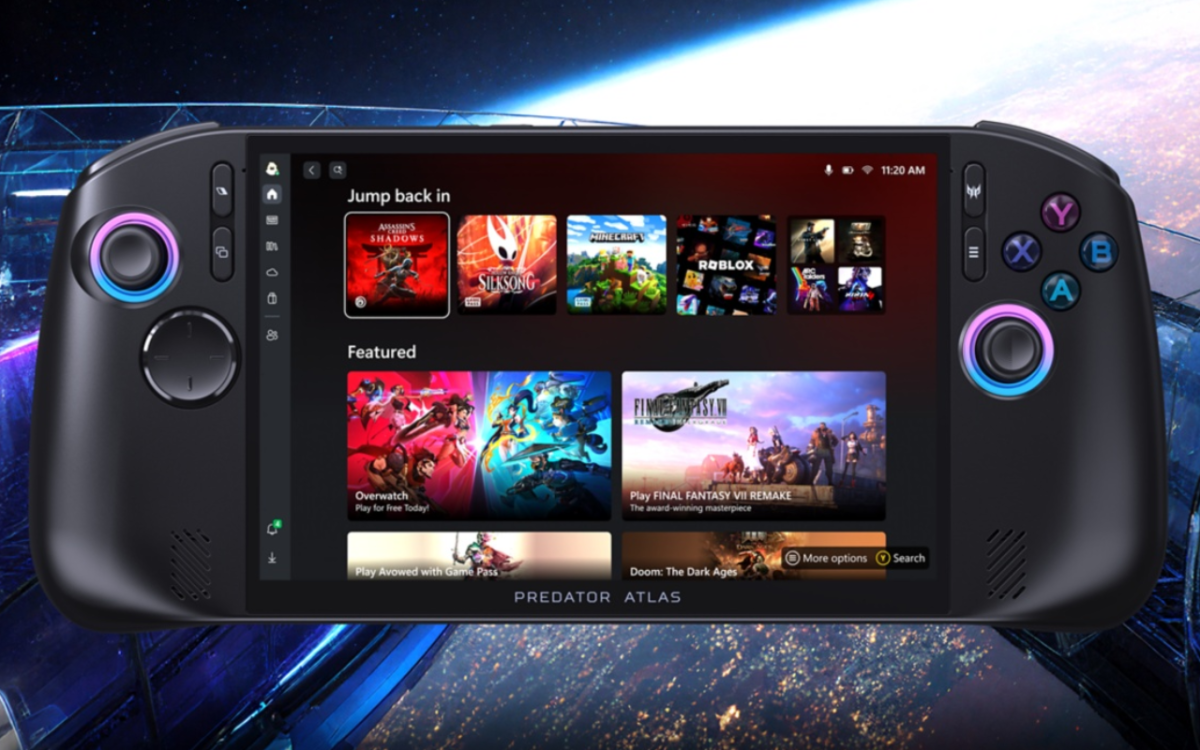
Intel is making a much stronger move into handheld gaming PCs with its new Arc G3 chips, a purpose built lineup designed for portable gaming devices. The announcement matters because AMD has dominated this market for years, powering systems such as the Steam Deck, ROG Ally, Lenovo Legion Go, MSI Claw A8, and several other handheld PCs. Intel has appeared in a few devices before, but Arc G3 is the clearest sign yet that the company wants to compete properly in this category.
The new lineup includes two chips: Arc G3 Extreme and Arc G3. Both are based on Intel’s Panther Lake design, but Intel says they have been optimized for handheld gaming rather than simply reused from regular laptops. That is an important distinction because gaming handhelds need a careful balance of performance, power use, heat, battery life, and integrated graphics strength.
Arc G3 Extreme targets high end handhelds with 14 CPU cores and Arc B390 graphics
The Arc G3 Extreme is the higher end option. It includes 14 CPU cores, made up of 2 performance cores, 8 efficiency cores, and 4 low power efficiency cores. It can reach up to 4.7GHz on its performance cores and includes 12MB of L3 cache. Intel also includes a 46 TOPS NPU, support for LPDDR5X 8533 memory up to 96GB, 12 PCIe lanes, dual Thunderbolt 4 ports, Wi Fi 7 R2, and dual Bluetooth 6.0.
On the graphics side, Arc G3 Extreme uses Intel’s Arc B390 configuration with 12 Xe3 cores running up to 2.3GHz. Its configurable power range is 8W to 35W, which gives manufacturers room to tune devices for either better battery life or higher performance.
The standard Arc G3 keeps the same CPU layout but drops the performance core clock slightly by 100MHz. Its main difference is the graphics configuration. It uses Arc B370 with 10 Xe3 cores running up to 2.2GHz. Its power range is 8W to 30W, which should make it better suited for more affordable or efficient handhelds.
| Chip | CPU cores | GPU | Max GPU clock | TDP range |
|---|---|---|---|---|
| Arc G3 Extreme | 14 cores | Arc B390, 12 Xe3 cores | Up to 2.3GHz | 8W to 35W |
| Arc G3 | 14 cores | Arc B370, 10 Xe3 cores | Up to 2.2GHz | 8W to 30W |
Intel is also bringing several software features to the platform. The chips support XeSS 3, Multi Frame Generation, day one Game On drivers, Intel Precompiled Shaders, and Xbox Mode compatibility. Precompiled Shaders could be useful for handhelds because shader compilation stutter can hurt the experience on lower power gaming devices. Intel’s system aims to download prebuilt shader files from the cloud for supported games, helping them launch and run more smoothly.
Xbox Mode support is another important part of the pitch. Windows handhelds have often struggled because Windows 11 does not always feel natural on small gaming devices. A controller focused full screen Xbox style experience could help make Intel powered handhelds feel closer to a console.
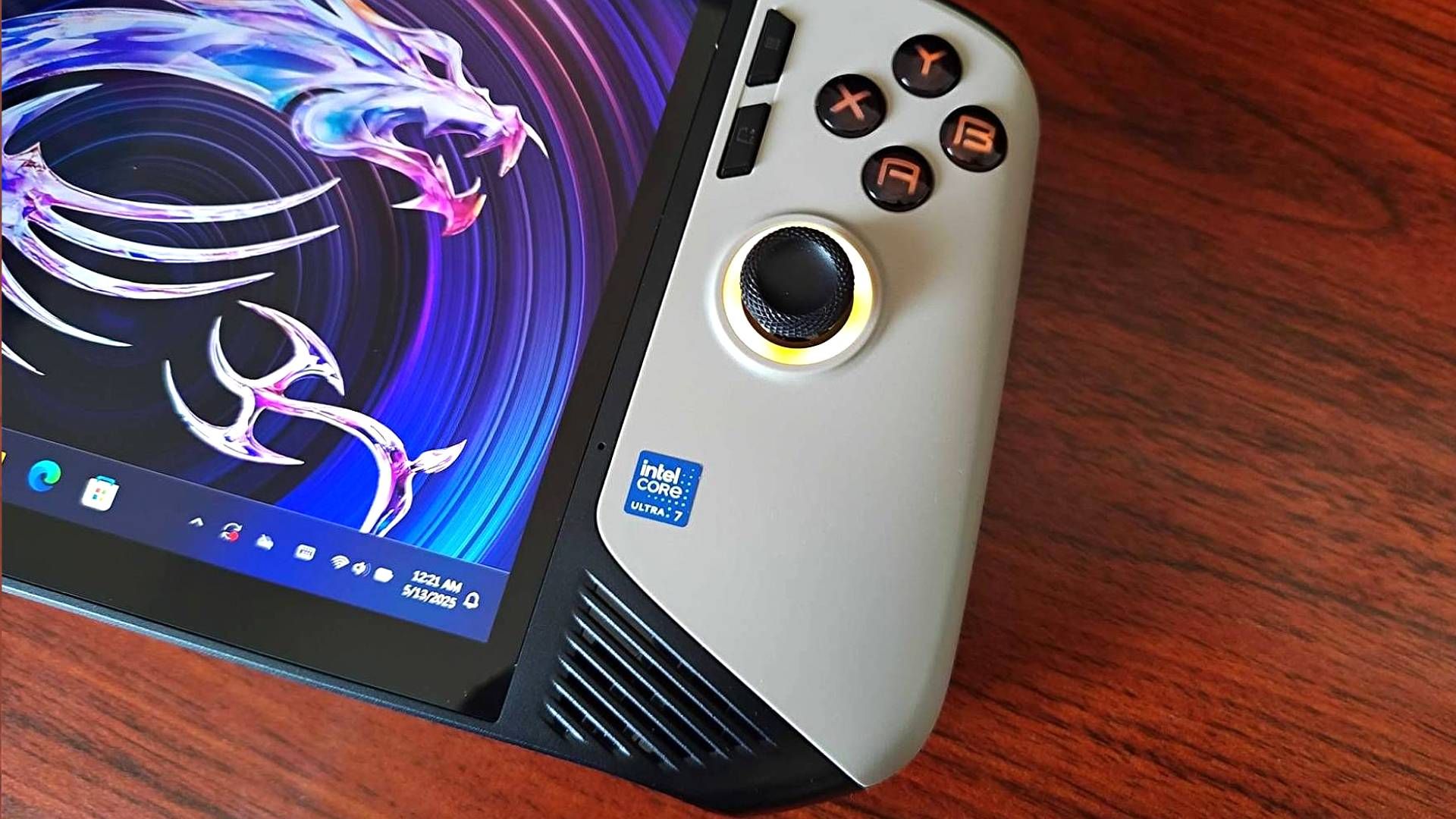
The first Arc G3 handhelds are expected from partners such as Acer, MSI, and OneXPlayer. Devices mentioned include the Acer Predator Atlas 8, MSI Claw 8 EX AI Plus, and OneXPlayer 3. These systems are expected to appear around Computex 2026, with rollouts beginning in June.
Intel’s challenge will not only be performance. AMD has built years of trust in this space, while SteamOS and Ryzen based handhelds already have a strong community. Intel will need good drivers, stable game compatibility, strong battery life, and competitive pricing to make Arc G3 matter.
Still, this is the kind of competition the handheld PC market needed. If Intel can deliver on performance and efficiency, Arc G3 could push AMD harder and give players more choice beyond Ryzen based devices.



Discussion (0)
Be the first to comment.