



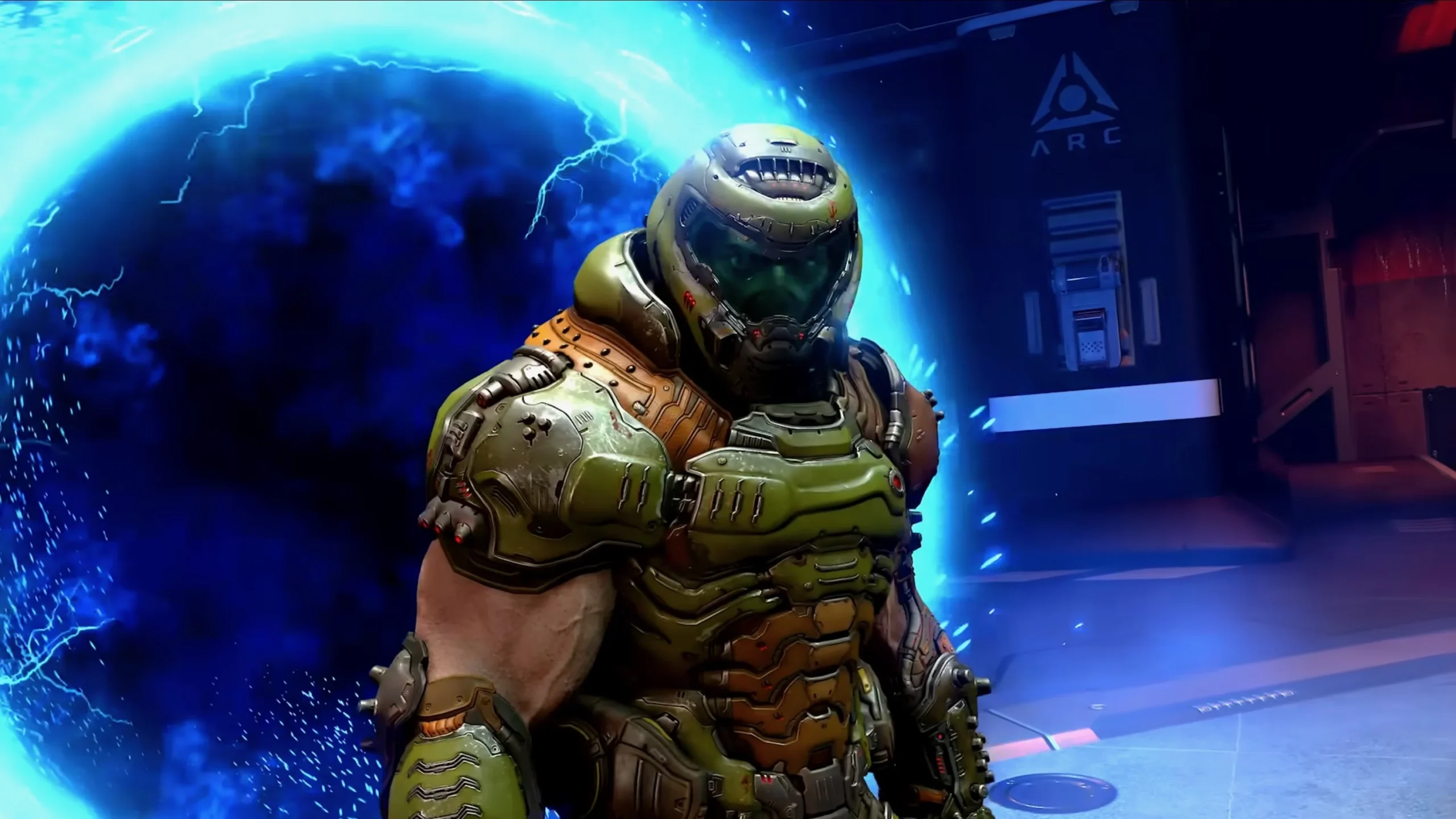
id Software studio head Hugo Martin has addressed concerns about the developer’s future, saying the team has not been reduced to the point where it can no longer build major games.
Speaking during a recent livestream, Martin rejected reports that id Software had been heavily weakened or reduced to around 50 employees. He said the studio is now similar in size to the team that created DOOM in 2016 and still has the people needed to continue developing games and technology.
Martin also confirmed that the id Tech engine remains active. Engineering work is shared across id Software, a team in Frankfurt and MachineGames, allowing several groups within the wider Bethesda organisation to contribute to the technology.
The comments follow recent Xbox layoffs that affected id Software and raised questions about whether the studio could maintain its previous development pace. Martin did not provide exact staffing numbers, production schedules or details about the team’s next project.
| Area | Current position |
|---|---|
| id Software staffing | Similar in size to the DOOM 2016 team |
| Reported 50 person team | Denied by Hugo Martin |
| id Tech engine | Still active and supported |
| Engineering support | Frankfurt team and MachineGames |
| Current franchise focus | DOOM remains active |
| Next project | Not announced |
| Future reveal timing | When approved and ready |
Hugo Martin rejects claims that the studio was gutted
Reports following the layoffs suggested that id Software had been cut so deeply that its future output could be at risk.
Martin directly challenged that description. He said the team remains capable and compared its current scale with the group that rebuilt the DOOM series through the successful 2016 release.
That comparison is intended to show that a smaller team does not automatically mean the studio cannot produce a major game. DOOM 2016 restored the franchise after a long absence and established the combat structure later expanded in DOOM Eternal and DOOM: The Dark Ages.
However, team size alone does not provide a complete picture. Modern projects can differ greatly in scope, production demands and technical complexity. The roles lost during restructuring may also affect how many projects id Software can support at the same time.
Martin did not claim that the layoffs had no impact. His comments were focused on correcting reports that the studio had been left without the staff or technology required to continue.
id Tech development is spread across several teams
The future of id Tech has been another major concern.
The engine has powered recent DOOM games and is known for strong performance, responsive shooting and high visual quality across consoles and PC. Losing support for the technology could have affected both id Software and other Bethesda studios.
Martin said id Tech remains healthy and is not maintained by one isolated group. Engineers in Frankfurt and at MachineGames contribute alongside the main id Software team.
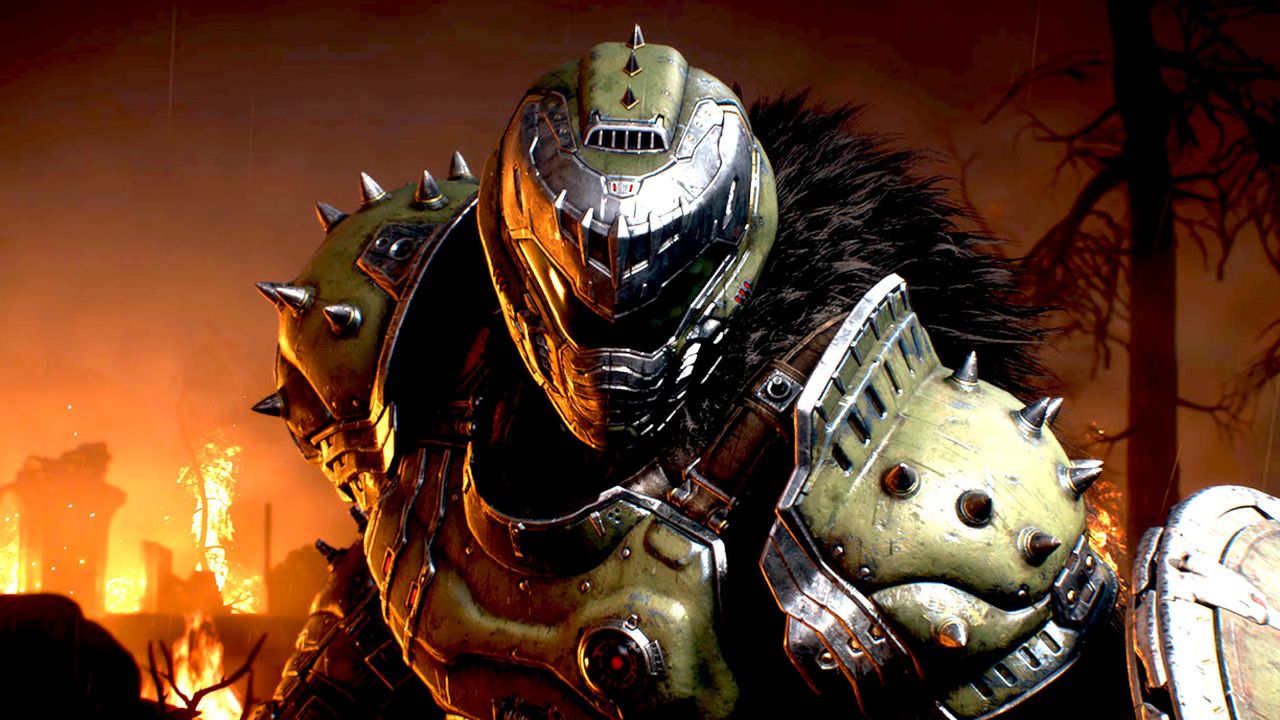
This shared structure gives Microsoft and Bethesda a wider pool of technical expertise. MachineGames has experience using id Tech for the modern Wolfenstein games and Indiana Jones and the Great Circle, while id Software continues to lead its development.
The arrangement may also help the engine survive changes at any single studio. It does not confirm which future games will use id Tech, but it shows that Microsoft has not abandoned the platform.
DOOM: The Dark Ages expansion performed above expectations
Martin also discussed the response to the Revelations expansion for DOOM: The Dark Ages.
He said the project had been received well by critics and players and was performing strongly against internal forecasts. The expansion has become one of the better reviewed releases of 2026, despite being downloadable content rather than a full standalone game.
Commercial performance matters because it strengthens the case for continued investment in DOOM and id Software. A successful expansion can extend the life of the main game, bring players back and generate additional revenue after launch.
Martin also said the positive result benefits everyone connected to the project, including current employees and those who recently left the studio.
That does not remove the personal impact of the layoffs, but it shows that the game itself has not been viewed as a failure.
The next id Software project remains unknown
id Software has not announced what it is developing next.
A new DOOM game is possible, but the studio may also work on Quake, provide support to another Bethesda project or continue improving id Tech before revealing its next release.
Martin said the team is excited to discuss its future work when the timing is appropriate and the announcement has been approved. That wording suggests active development is underway, although it does not reveal how far the project has progressed.
The studio’s closer cooperation with MachineGames also leaves room for shared work on Wolfenstein or another shooter. No such involvement has been confirmed.
The main uncertainty is development capacity. A smaller team may still produce a strong game, but it could reduce the number of parallel projects or increase the time between releases. Outsourcing and support studios may offset some of that pressure.
Martin’s message is clear that id Software remains operational, id Tech is still being developed and the DOOM team expects to continue creating games. The long term effect of the restructuring will become easier to judge once the studio reveals its next project and development schedule.



Discussion (0)
Be the first to comment.