



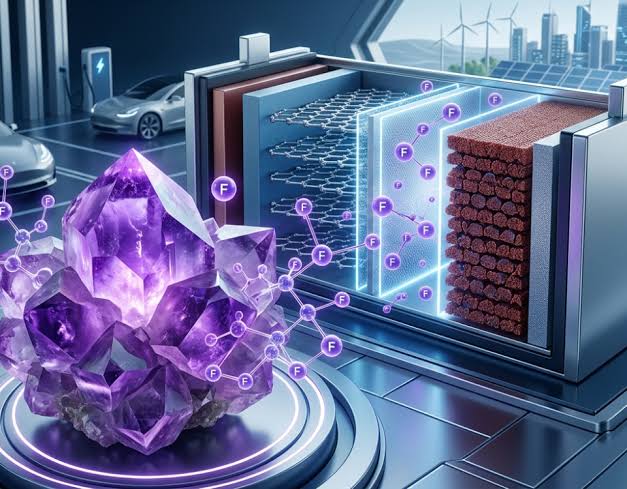
Prices for several chemicals used in semiconductor manufacturing are increasing as AI chip production raises demand across the supply chain.
Hydrofluoric acid and isopropanol are among the materials facing higher prices. Both chemicals are essential to chip fabrication, where wafers must pass through repeated cleaning, etching, coating, and inspection stages before a finished processor can be produced.
The latest increases come as semiconductor manufacturers expand capacity for AI accelerators, memory, advanced packaging, and data center processors. At the same time, geopolitical tensions and concerns around the supply of industrial gases and chemicals are making future availability harder to predict.
The impact may extend beyond chemical suppliers. Higher material costs can raise the expense of producing chips, packaging them, and bringing finished electronics to market.
Hydrofluoric acid plays an important role in wafer processing
Hydrofluoric acid is used during several stages of chip production, including surface treatment, cleaning, and etching.
Modern processors are built by creating extremely small structures across multiple layers of silicon and other materials. Each layer must be carefully shaped and cleaned before the next one is added.
Even small amounts of contamination can damage a wafer or reduce the number of usable chips produced from it. Semiconductor grade chemicals must therefore meet much stricter purity standards than versions used in ordinary industrial applications.
Isopropanol is also widely used to clean wafers, production equipment, and photomasks. Photomasks carry the patterns used to transfer chip designs onto silicon during lithography.
| Material | Main semiconductor use |
|---|---|
| Hydrofluoric acid | Wafer cleaning, surface treatment, and etching |
| Isopropanol | Cleaning wafers, machinery, and photomasks |
| Helium | Cooling, leak detection, and controlled manufacturing processes |
| Specialty gases | Deposition, etching, and chamber operation |
| Ultrapure chemicals | Preventing contamination during fabrication |
| Packaging materials | Connecting and protecting finished semiconductor dies |
The amount of each chemical used in one process may appear small, but large semiconductor factories process thousands of wafers every month. A shortage or price increase can therefore affect production costs quickly.
Major suppliers have started raising chemical prices
Several companies involved in semiconductor materials have reportedly increased prices or warned customers that further adjustments may be needed.
Formosa Plastics has raised prices for hydrofluoric acid and isopropanol. Sheng Yi Electronics, which is involved in isopropanol supply, has also introduced increases and is monitoring market conditions before deciding whether another round will be necessary.
Formosa participates in the market through joint ventures with Japanese chemical companies. Formosa Daikin is an important hydrofluoric acid supplier, while Formosa Plastics Tokuyama holds a strong position in high purity isopropanol.
These companies could benefit financially from higher prices and stronger demand, but chip manufacturers may face increased costs if alternative suppliers are limited.
Semiconductor companies cannot easily switch to ordinary commercial chemicals. New materials must be tested and approved because purity, consistency, and compatibility can affect production yields.
AI packaging demand is adding more pressure
The rapid expansion of AI computing has increased demand for more than advanced processors.
AI accelerators often use several semiconductor dies, large amounts of high bandwidth memory, complex substrates, and advanced packaging. These products require additional manufacturing and cleaning steps, which place further pressure on chemical and materials suppliers.
Advanced packaging became one of the first major bottlenecks during the AI boom. Expanding chip fabrication alone is not enough if manufacturers lack the capacity or materials needed to assemble processors and memory into finished systems.
The problem affects several parts of the industry at the same time.
| Source of demand | Effect on material supply |
|---|---|
| AI accelerators | More wafers and packaging processes are required |
| High bandwidth memory | Additional memory production increases chemical use |
| Advanced packaging | Complex assemblies need more processing stages |
| New semiconductor factories | More facilities compete for the same materials |
| Data center expansion | Sustains demand for processors and networking chips |
| Consumer electronics | Continues using large volumes of mainstream chips |
Chemical suppliers may increase production, but new capacity takes time to plan, build, and qualify.
Formosa is reportedly preparing additional electrochemical production capacity during the second half of 2026, with another expansion possible in 2027. This could reduce some pressure if projects remain on schedule.
Geopolitical risks make the supply outlook less predictable
The semiconductor supply chain also faces uncertainty from conflicts, trade controls, and export restrictions.
Concerns increased after China announced a suspension of helium exports amid wider supply chain disruption. China is not the largest global helium supplier, but any reduction in available material can create additional pressure when other sources are already constrained.
Helium is used in several high technology industries, including semiconductor production. Its properties make it useful for cooling, testing, and manufacturing processes that require an inert gas.
The renewed conflict involving Iran adds another source of risk because energy prices, transportation routes, and industrial supply chains can be affected by regional instability.
A shortage does not need to stop production completely to create problems. Even the expectation of tighter supply can encourage manufacturers to secure larger inventories, which can push prices higher for everyone.
Higher costs may eventually reach electronics buyers
Chemical expenses represent only one part of the cost of making a processor, but repeated increases across materials, memory, packaging, and manufacturing equipment can accumulate.
Chip companies may absorb some of the added expense, especially when competition prevents immediate price increases. In other cases, the cost may be passed to customers through more expensive processors, graphics cards, servers, laptops, and other electronics.
The effect will vary by product. High margin AI accelerators may be better able to absorb material increases than entry level consumer chips, where manufacturers have less room to protect profits.
It is too early to determine how much hydrofluoric acid and isopropanol prices will affect finished hardware. Much will depend on the duration of the shortage, the pace of new supply, and whether geopolitical conditions worsen.
The current increases show that the AI boom is affecting parts of the semiconductor industry that receive less public attention. Building more chips requires more than factories and lithography machines. It also depends on a stable supply of highly purified chemicals, gases, packaging materials, and other industrial inputs.



Discussion (0)
Be the first to comment.