



Huawei’s rotating chairman Xu Zhijun says US export restrictions have pushed China’s semiconductor industry to grow faster by forcing companies to build more of their own technology stack. His comments came after Huawei discussed its LogicFolding chip architecture, a design the company says was developed under pressure from limited access to advanced foreign chips.
Xu said Huawei is grateful for the pressure from the United States because it encouraged Chinese companies and the wider semiconductor supply chain to invest more deeply in local research and development. His point was not that the restrictions were harmless, but that they forced Chinese firms to stop relying so heavily on American technology.
Huawei has been under US restrictions for years. The company was blocked from major parts of the North American market in 2019, and later export controls limited China’s access to advanced AI chips from Nvidia and AMD. Those rules made it harder for Chinese companies to buy hardware such as Nvidia’s A100 and H100 accelerators, which are widely used for AI training and data center workloads.
Nvidia and AMD later made lower performance versions of some chips to comply with US rules. But the restrictions continued to tighten, and Chinese companies began looking more seriously at local alternatives. Some firms reportedly turned to black market channels, but many others shifted toward domestic chips because they had fewer legal ways to buy American hardware.
That shift has helped Chinese chipmakers gain more revenue and more attention from local customers. Even when domestic AI chips are less efficient or less powerful than Nvidia’s best hardware, they are still useful for companies that need computing power and cannot rely on foreign supply.
| Issue | What changed |
|---|---|
| US export controls | Limited China’s access to advanced AI chips |
| Huawei’s response | Increased focus on local chip design and architecture |
| Chinese chipmakers | Gained more demand from domestic customers |
| Nvidia’s position | Lost major share in China’s AI chip market |
| Beijing’s policy | Encouraged companies to buy homegrown hardware |
| Long term effect | China’s semiconductor industry received stronger investment and urgency |
The situation also supports an argument Nvidia CEO Jensen Huang has made for years. Huang has warned that cutting China off from American chips could push the country to develop alternatives and reduce US influence in the global AI market. According to the report, Nvidia’s AI chip market share in China has fallen sharply from its previous dominance.
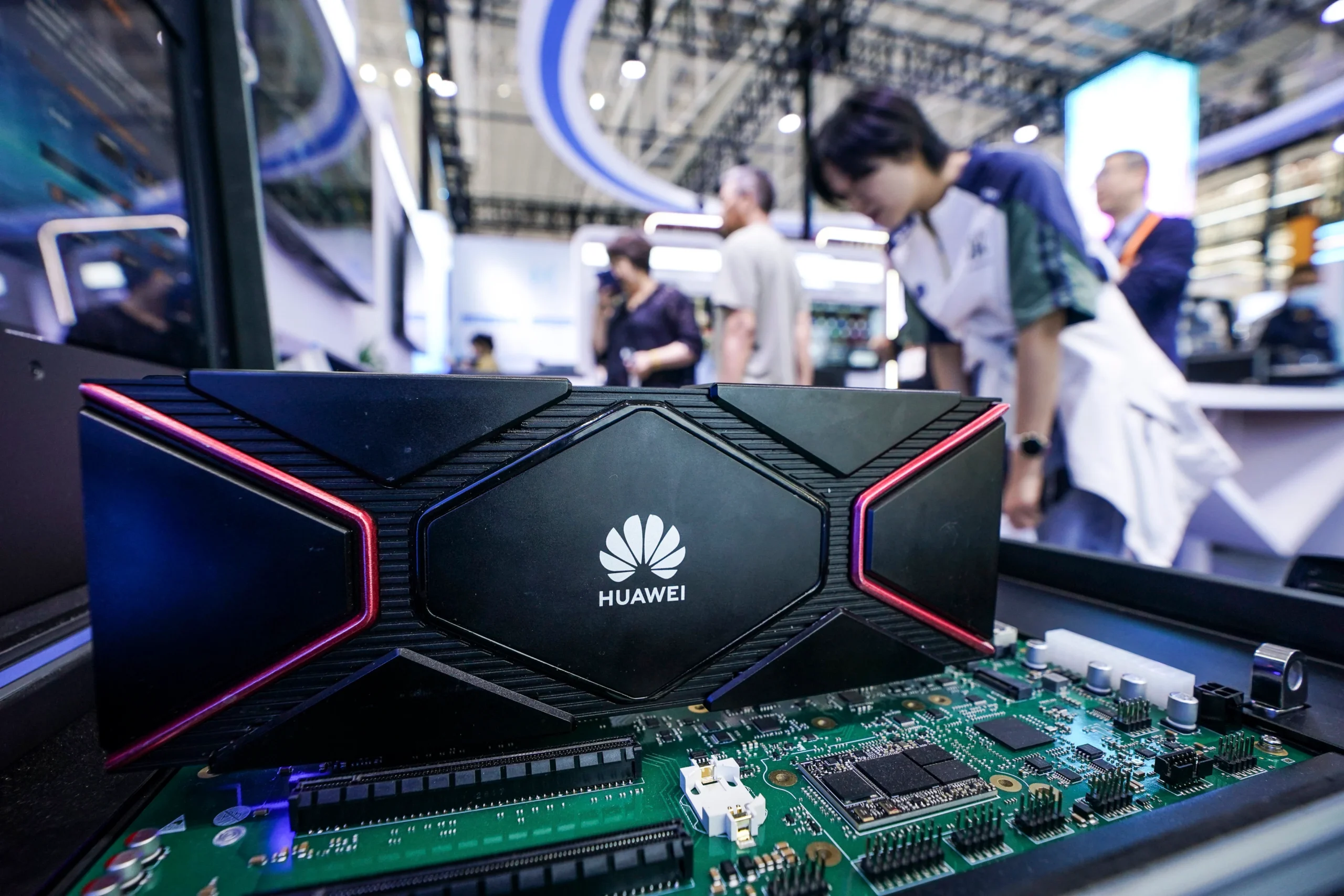
China’s government has also played a major role. Beijing has pushed companies to buy domestic chips, even when foreign alternatives are available through licenses. The report says Chinese authorities have blocked some AI chip imports and expanded restrictions to other hardware, including certain gaming GPUs.
The restrictions did slow parts of China’s AI development. Advanced chips still matter, and US companies remain strong in hardware, software, and developer ecosystems. Nvidia’s CUDA platform is still a major advantage because many AI tools are built around it. That is one reason Chinese firms still want Nvidia chips when they can get them.
But the longer term effect is more complicated. The export controls created a strong reason for Chinese companies to fund local alternatives. Huawei and other firms now have more incentive to design chips, improve software stacks, and support a domestic supply chain that can compete more directly with US technology.
For Washington, the policy question is difficult. Restricting advanced chips can slow a rival’s progress in the short term, especially in sensitive AI and military related fields. But it can also push that rival to become more independent over time.
Huawei’s message is clear: pressure from the US did not stop China’s semiconductor ambitions. It made them more urgent. The real test now is whether Chinese companies can turn that urgency into chips and software that compete not only inside China, but also in the wider global market.



Discussion (0)
Be the first to comment.