



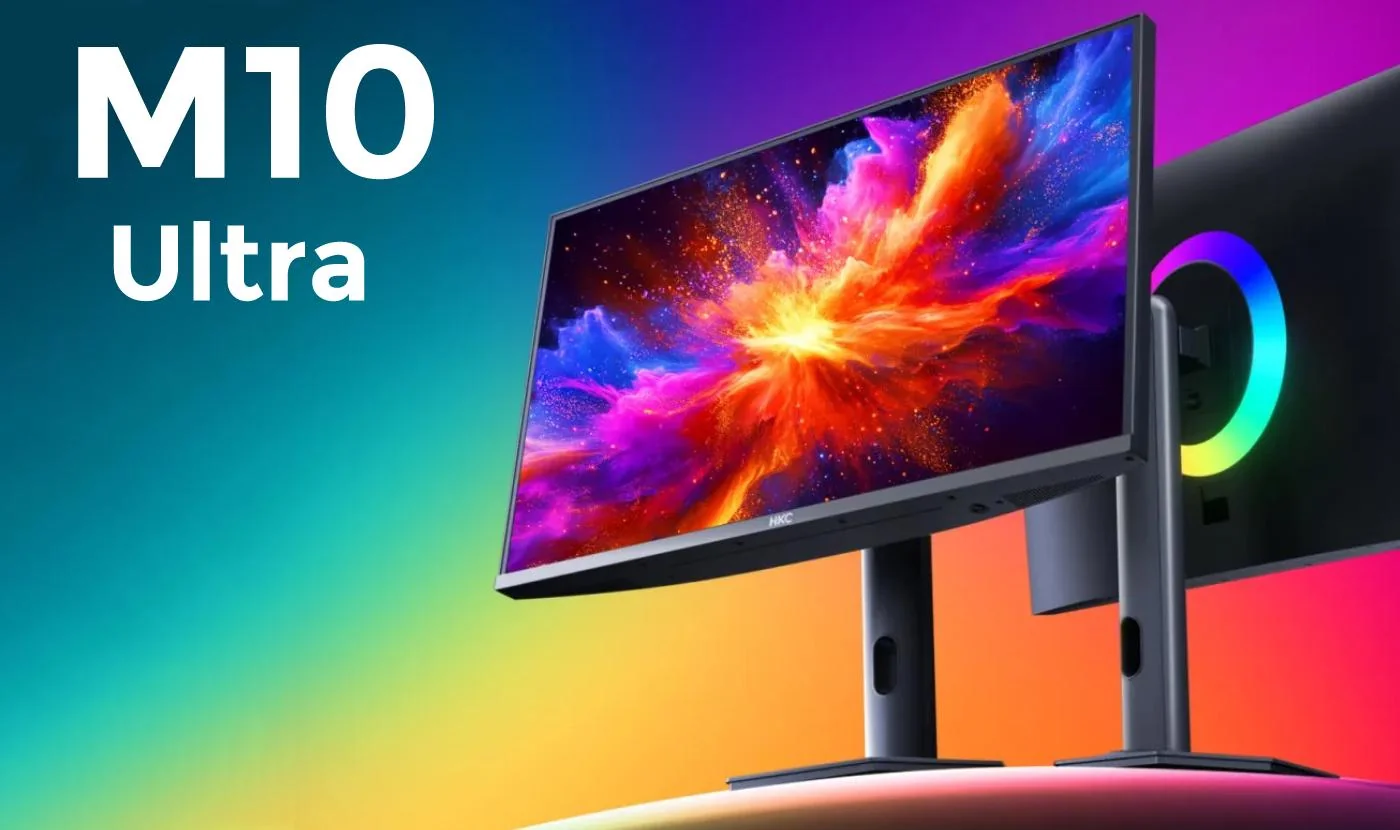
Hisense has introduced the 32UX, which is being described as the world’s first RGB Mini LED monitor. The new 32 inch display combines a 4K resolution, 180Hz refresh rate, and up to 2000 nits of peak brightness, making it a high end option for gamers and creators who want strong HDR performance without moving to OLED.
The key part of this monitor is its RGB Mini LED backlight. Most LCD monitors use white or blue LED backlighting, then rely on filters, quantum dots, or phosphor conversion to create red, green, and blue output. Mini LED improved that formula by shrinking the backlight LEDs and adding more dimming zones, which helped boost contrast and brightness.
RGB Mini LED goes further because the backlight itself uses red, green, and blue Mini LEDs. That means the panel can contribute color more directly through the backlight, not only through filters. In theory, this should improve color volume, make HDR highlights richer, and help bright scenes hold more detail.
RGB Mini LED could offer OLED like impact without the same burn in concern
The Hisense 32UX looks like it is aimed at people who want some of OLED’s visual strengths but are worried about OLED burn in. OLED still has the advantage of perfect pixel level black control, but high end Mini LED can offer very strong brightness, good contrast, and better long term confidence for desktop use with static elements.
| Feature | Hisense 32UX |
|---|---|
| Display size | 32 inches |
| Resolution | 4K |
| Refresh rate | 180Hz |
| Backlight | RGB Mini LED |
| Peak brightness | Up to 2000 nits |
| Launch price | 9,999 yuan, around $1,475 |
| Main audience | Gaming and content creation |
The 2000 nit peak brightness is one of the monitor’s biggest selling points. That is far brighter than many OLED gaming monitors, which can look excellent in dark scenes but often cannot sustain the same brightness in larger HDR highlights. For HDR gaming, movies, and creative work, that extra brightness could make bright effects, sunlight, explosions, and reflections feel more intense.
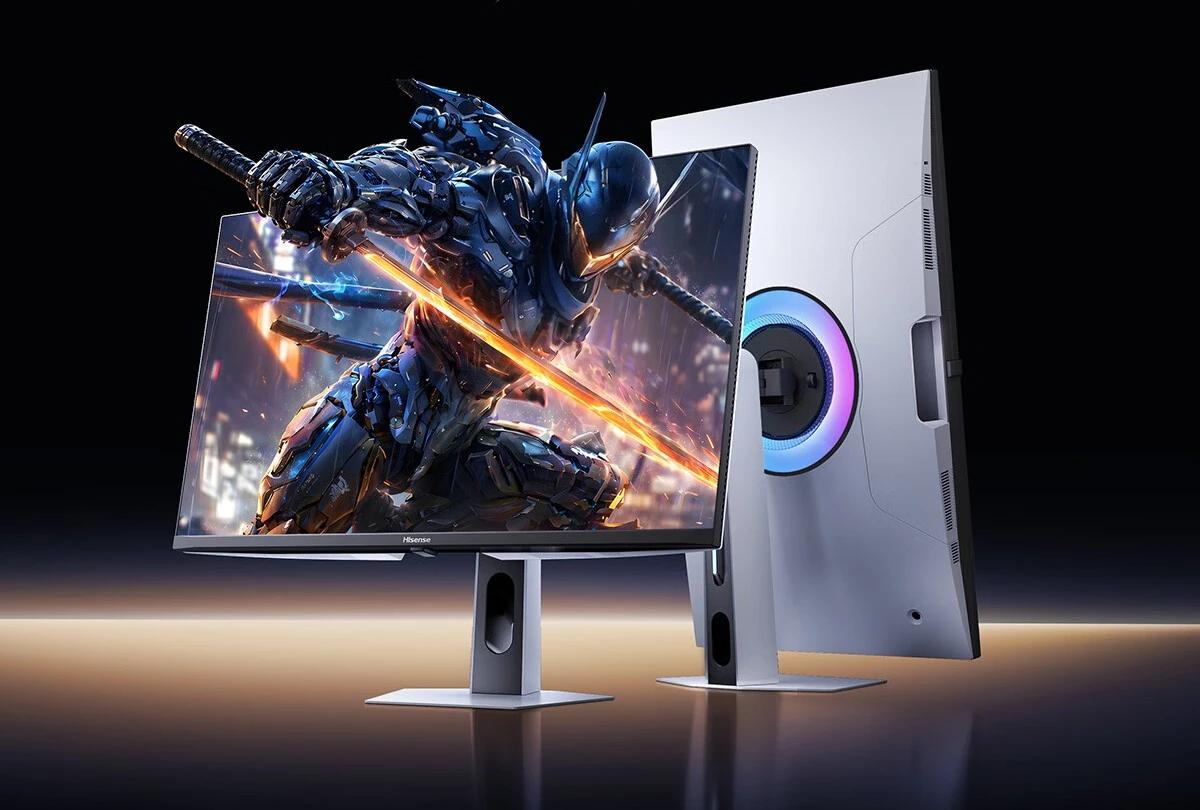
The 4K 180Hz specification also makes the 32UX more than a media display. It is fast enough for high end gaming while still offering the sharpness expected from a 32 inch 4K panel. Players with powerful PCs should be able to use it for both immersive single player games and faster multiplayer titles, although competitive esports players may still prefer 240Hz, 360Hz, or higher refresh rate OLED monitors.
The price shows this is not a mainstream monitor. At 9,999 yuan, or roughly $1,475, the Hisense 32UX costs more than many premium 4K QD OLED gaming displays. That means Hisense will need to prove that RGB Mini LED offers enough real world image quality benefits to justify the higher cost.
For creators, the appeal may be stronger if the panel delivers excellent color volume and stable brightness without burn in concerns. For gamers, the draw is a mix of 4K clarity, 180Hz smoothness, high brightness, and richer HDR than traditional Mini LED.
The Hisense 32UX is still an early example of RGB Mini LED technology on desktop monitors, so real world reviews will matter. But the direction is clear. Monitor makers are not only racing toward faster OLED panels. Mini LED is also evolving, and RGB Mini LED could become an important alternative for people who want high brightness, strong color, and long term durability in one premium screen.



Discussion (0)
Be the first to comment.