



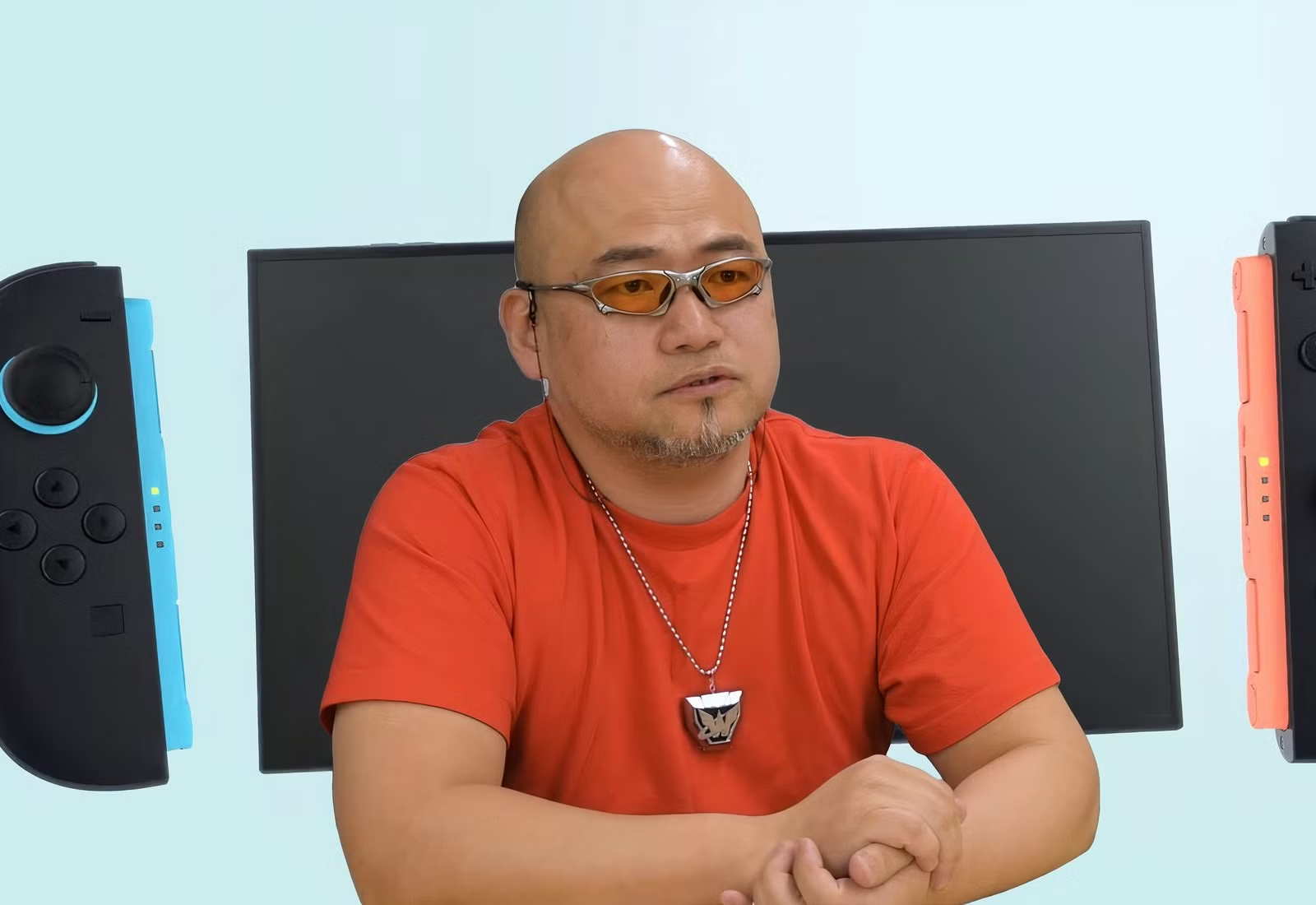
Devil May Cry and Bayonetta creator Hideki Kamiya says he would rather see a game cancelled than pushed out in a poor state. Speaking during a panel with Nier creator Yoko Taro, Kamiya explained that he does not see every cancelled project as a failure, especially if the alternative is releasing something that does not meet the right standard.
Kamiya said he rarely thinks about schedules in the same way as producers or project managers. He said he has usually been surrounded by talented people who handle that side of development, while his own focus stays on making the kind of game he wants to create. His view is that if he starts by limiting himself around the schedule, he cannot go all in creatively.
Kamiya believes creative ambition should not be sacrificed just to ship a game
The discussion started around how developers balance creativity with production timelines. Kamiya said he does not take his foot off the gas and instead prioritizes making something with at least one truly unique quality. That comment fits his career, since many of his best known games are remembered for strong identity, stylish action, and unusual ideas rather than safe design.
Yoko Taro added that most of the projects he had worked on over the last three years had been cancelled, although he said he had still been keeping busy. That led to a wider discussion about whether cancellations are always painful. Kamiya said he does not usually carry many negative feelings when a project is cancelled partway through.
| Creator | Known for | View shared in the panel |
|---|---|---|
| Hideki Kamiya | Devil May Cry, Bayonetta, Okami | Better to cancel a project than release something subpar |
| Yoko Taro | Nier, Nier: Automata | Said most of his recent projects had been cancelled |
| Kamiya’s current work | Okami related project | Focus remains on creating something unique |
Kamiya’s view is interesting because his own career has included several high profile cancellations or major resets. His first directorial role was Resident Evil 2, but that original version was famously scrapped and rebuilt during development. The final Resident Evil 2 became a classic, which supports the idea that stopping a weak version of a project can sometimes lead to something better.
Another major example is Scalebound. Kamiya directed the PlatinumGames action RPG before Microsoft cancelled it. That cancellation remains one of the most discussed Xbox project failures, partly because the game had strong interest and a distinctive dragon focused concept. Kamiya did not directly frame his comments only around Scalebound, but the history makes his stance more notable.
There is also Project G.G., which was announced by PlatinumGames in 2020 and has not been shown in years. Kamiya left PlatinumGames in 2023, and many fans have wondered whether that project is still alive. His comments do not confirm its status, but they make clear that he sees cancellation as preferable to releasing a compromised game.
That attitude may frustrate players who wait years for a project and then never get to play it. But from a creative standpoint, it is easy to understand. A cancelled game can remain a disappointment. A bad release can damage a studio, a franchise, and a creator’s reputation for years.
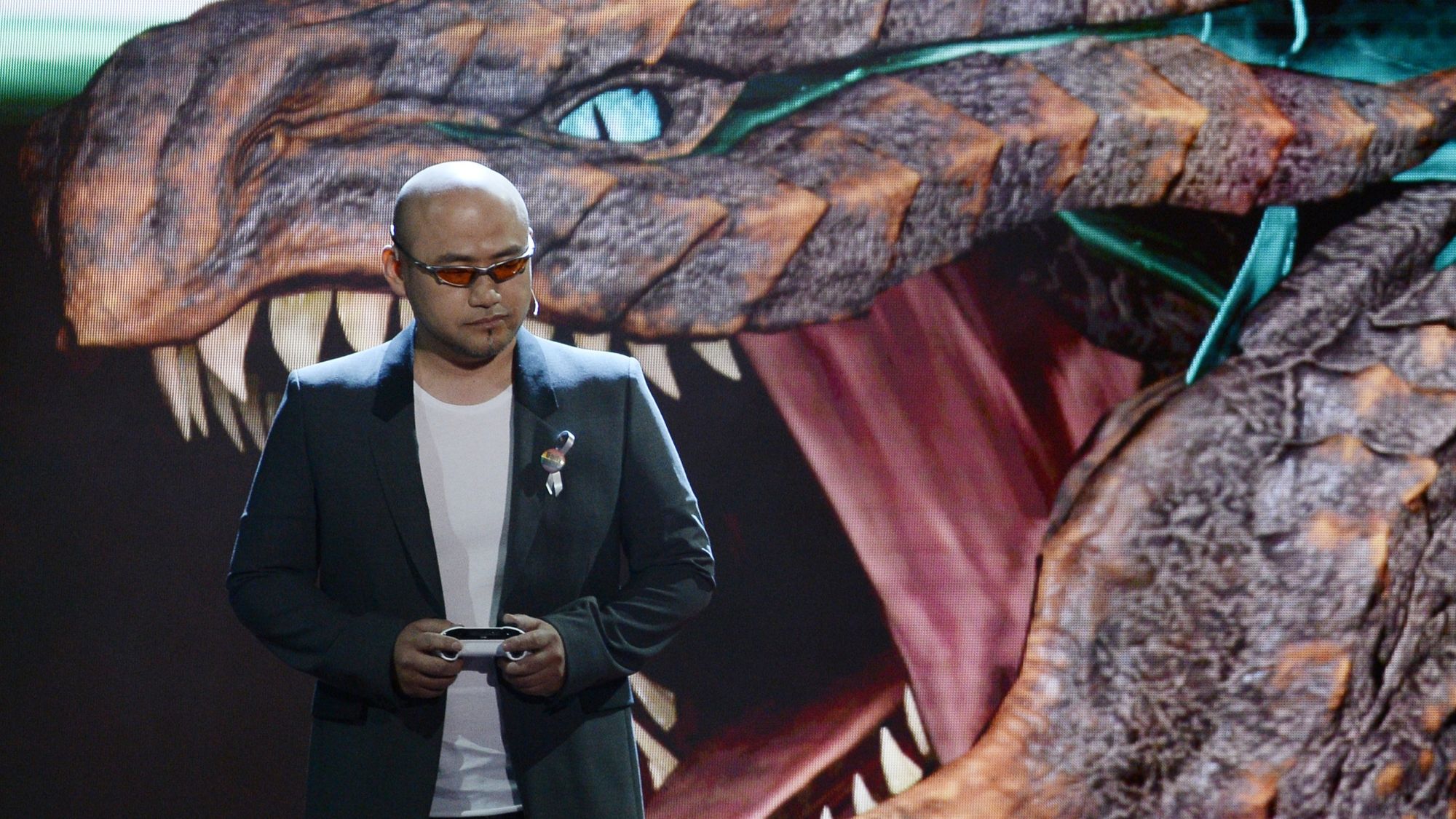
Kamiya’s games have often worked because they feel confident. Devil May Cry helped define modern stylish action. Bayonetta pushed that formula even further. Okami turned Japanese folklore and brush based mechanics into something visually distinct. Those games did not feel like products built only to meet a deadline.
His point is not that schedules do not matter. Game development still needs planning, budget control, and production discipline. But Kamiya appears to believe that a game without a strong creative reason to exist should not be forced out just because work has already started.
For players, the comment is a reminder that cancellations are sometimes part of making better games. Losing a project can be disappointing, but releasing something unfinished or uninspired can be worse. In Kamiya’s view, protecting quality matters more than simply getting a game across the finish line.



Discussion (0)
Be the first to comment.