



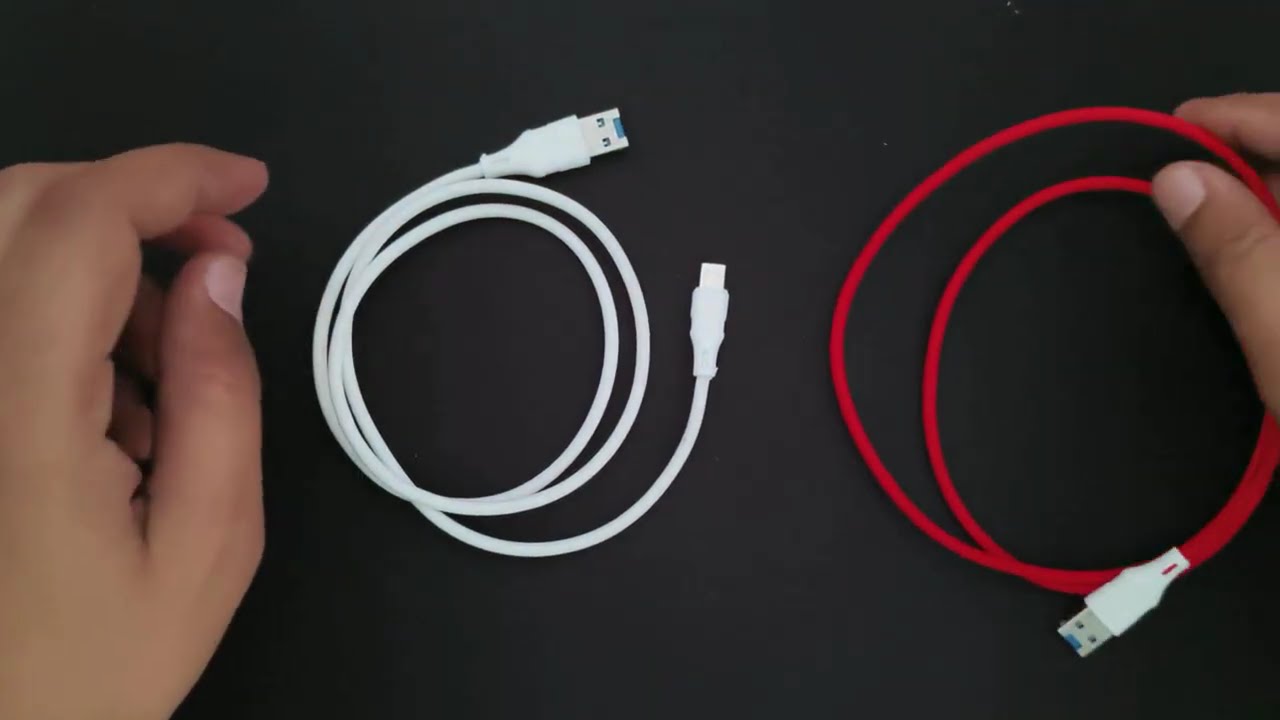
Hacknect is a new USB cable that looks ordinary from the outside, but hides a much more powerful setup inside. The cable includes an ESP32 S3 microcontroller, microSD card storage, Wi Fi support, and browser based controls that can trigger actions remotely. It is being offered through a Kickstarter campaign, with one red or white cable starting at around $82.
The project is being marketed toward makers, developers, enthusiasts, and cybersecurity learners, but its feature list also explains why some people are concerned. A cable that can look normal while running remote payloads, keystroke injection, mouse automation, and wireless triggers can be useful for security testing, but it can also be misused if placed in the wrong hands.
The cable works like a tiny hidden computer with storage and wireless control
At the center of Hacknect is the ESP32 S3, a small microcontroller often used in connected electronics projects. It supports 2.4GHz Wi Fi and Bluetooth 5 LE, and it has enough input and output support to act like a small programmable device inside the cable.
Little Gadgets appears to have hidden the electronics inside the USB connector housing, likely on the USB A side because that end is larger and also holds the microSD card slot. The cable still looks like a regular USB cable, and the company says it can also work for normal USB data and charging.
| Hacknect feature | What it does |
|---|---|
| ESP32 S3 microcontroller | Acts as the hidden programmable controller |
| Wi Fi control | Lets actions be triggered from a phone or computer |
| MicroSD storage | Stores payloads directly on the cable |
| Keystroke injection | Sends automated keyboard input |
| Mouse injection | Simulates mouse movement and actions |
| Browser control panel | Lets users manage actions from a web browser |
| Self destruct mode | Erases stored payloads and sensitive data |
| Open source plan | Firmware, examples, and documentation are planned to be public |
The browser based app is one of the main selling points. Users can connect from a phone, tablet, laptop, or desktop and trigger actions without needing a separate desktop program. The listed functions include one click payload deployment, multiple payload slots, HID keystroke injection, mouse automation, and wireless triggers.
In simple terms, Hacknect behaves like a cable that can also pretend to be a keyboard or mouse. That kind of tool is commonly used in cybersecurity demonstrations because computers often trust keyboard and mouse input. If someone plugs in a malicious device, it can type commands or perform actions very quickly.
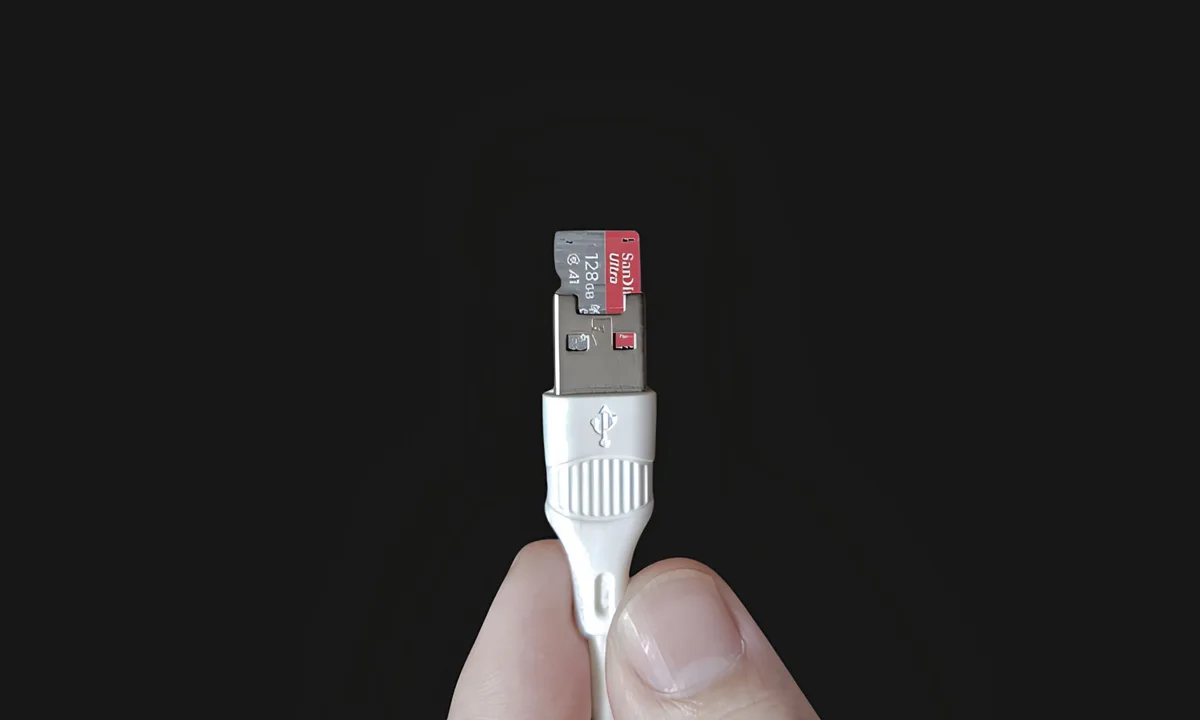
This is why Hacknect sits in a sensitive space. For legitimate cybersecurity education, it can help people understand how USB based attacks work and why unknown cables should not be trusted. For IT teams, it could also be useful for controlled testing and awareness training. But for normal users, the lesson is clear: do not plug in random USB cables just because they look harmless.
Hacknect is being compared to the O.MG cable, another well known stealth cable with a hidden microcontroller and Wi Fi features. The difference is that Hacknect is being positioned as a cheaper and open source alternative. That could make it more accessible to learners, but it also raises the usual concern that powerful security tools can spread quickly once they become affordable.
The Kickstarter campaign has already passed its funding goal, and backers are being told that the first batches should ship in August if everything goes smoothly. Still, this is a crowdfunding project, not a retail product. Backing it does not guarantee delivery, final quality, or long term support.
Hacknect is an impressive maker project, but it is also a reminder that cables are no longer always simple accessories. A USB cable can now hide storage, wireless control, and a programmable computer. For security minded users, that means cable hygiene matters. Use trusted cables, avoid unknown charging accessories, and be careful with anything handed out at events or found in public places.



Discussion (0)
Be the first to comment.