



Graphics card prices remain difficult in 2026, and the latest market tracking shows how much the AI boom is still affecting PC gamers. Memory demand from AI data centers and AI GPUs has pushed up costs across the market, making many Nvidia, AMD, and Intel graphics cards more expensive than their launch prices.
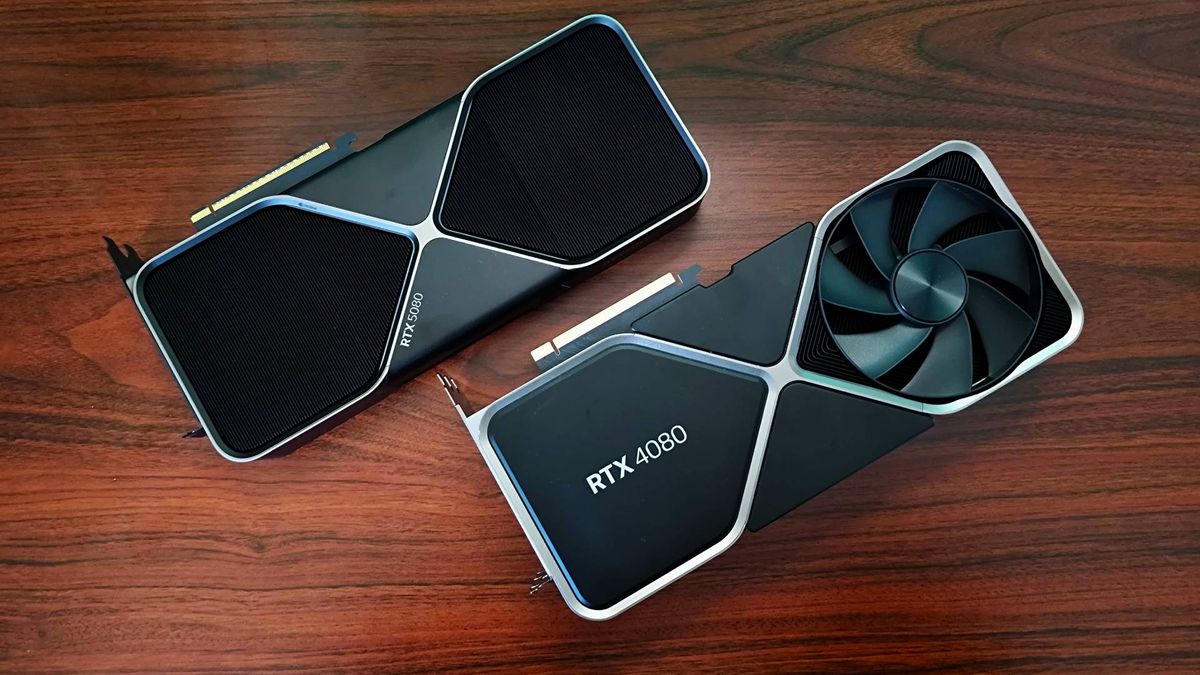
The pressure is most visible at the high end. Nvidia’s RTX 5090 launched at $1,999, but the lowest listed U.S. price in the tracker is now $3,999. That is double its launch price, which shows how badly supply and demand have shifted. The RTX 5080 is also above its launch price, with the lowest tracked price at $1,289 compared with its $999 MSRP.
The RTX 50 series does bring newer features, including DLSS 4.5, Multi Frame Generation, newer Tensor cores, improved ray tracing hardware, and Reflex 2. These features can help improve performance, especially when raw hardware power or VRAM becomes a limit. Still, prices make the higher end models hard to justify for many buyers.
Nvidia’s older RTX 40 series is not much easier to recommend. Many models are no longer being produced, and available stock is often expensive. Some listings may also come from third party sellers, second hand sources, or older mining hardware. That makes it important to check the seller carefully before buying.
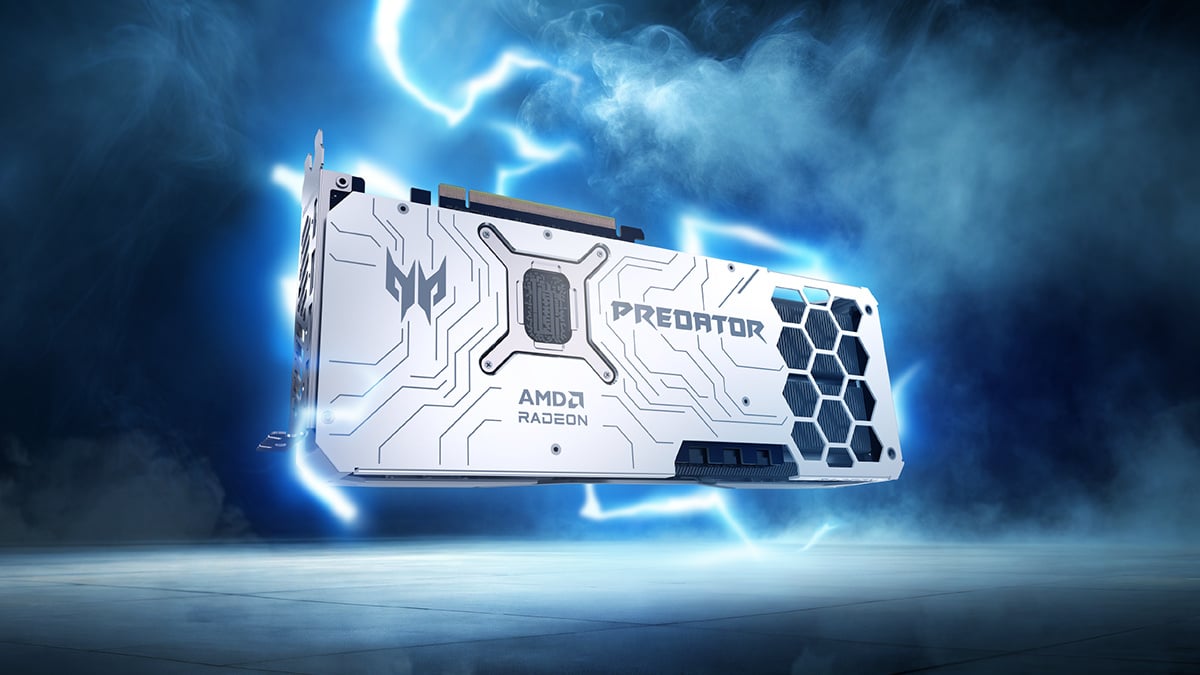
AMD’s Radeon RX 9000 series looks like a more practical option in some parts of the market. The RX 9070 XT is listed at $699, which is above its $599 launch price, but still far below Nvidia’s most expensive cards. The RX 9060 XT models are also more approachable, especially the 8GB version at $359 and the 16GB version at $459.
Intel’s Arc cards continue to sit in the budget space. The Arc B580 is listed at $303, while the Arc B570 is listed at $259. Intel still has limits in some older DirectX games, but driver updates have made Arc more useful for budget gaming PCs.
| GPU series | Current market situation |
|---|---|
| Nvidia RTX 50 series | Strong features, but high prices on upper models |
| Nvidia RTX 40 series | Older stock is expensive and needs careful seller checks |
| AMD Radeon RX 9000 series | More reasonable pricing in some mid range models |
| AMD Radeon RX 7000 series | Still useful if found at the right price |
| Intel Arc series | Budget friendly, especially for 1080p gaming |
The broader problem is memory. Graphics cards rely heavily on VRAM, and AI demand has made memory allocation more competitive. Cards with larger amounts of memory are especially vulnerable to price increases, while lower end models can still be found closer to MSRP in some cases.
For buyers, the safest approach is to compare prices against current generation cards before purchasing older models. A last generation GPU may look attractive at first, but it can be poor value if it costs close to a newer card with better features, better driver support, and a full warranty.
The used market is also becoming more tempting, but it carries risk. A used GPU can save money, especially when new cards are overpriced, but buyers should watch for damaged cards, ex mining hardware, missing warranty coverage, and suspicious third party listings.
Right now, there is no perfect answer for PC builders. Nvidia still leads in ray tracing and software features, AMD offers better value in several segments, and Intel remains worth considering for cheaper 1080p systems. The best choice depends less on brand loyalty and more on the actual price available on the day you buy.



Discussion (0)
Be the first to comment.