



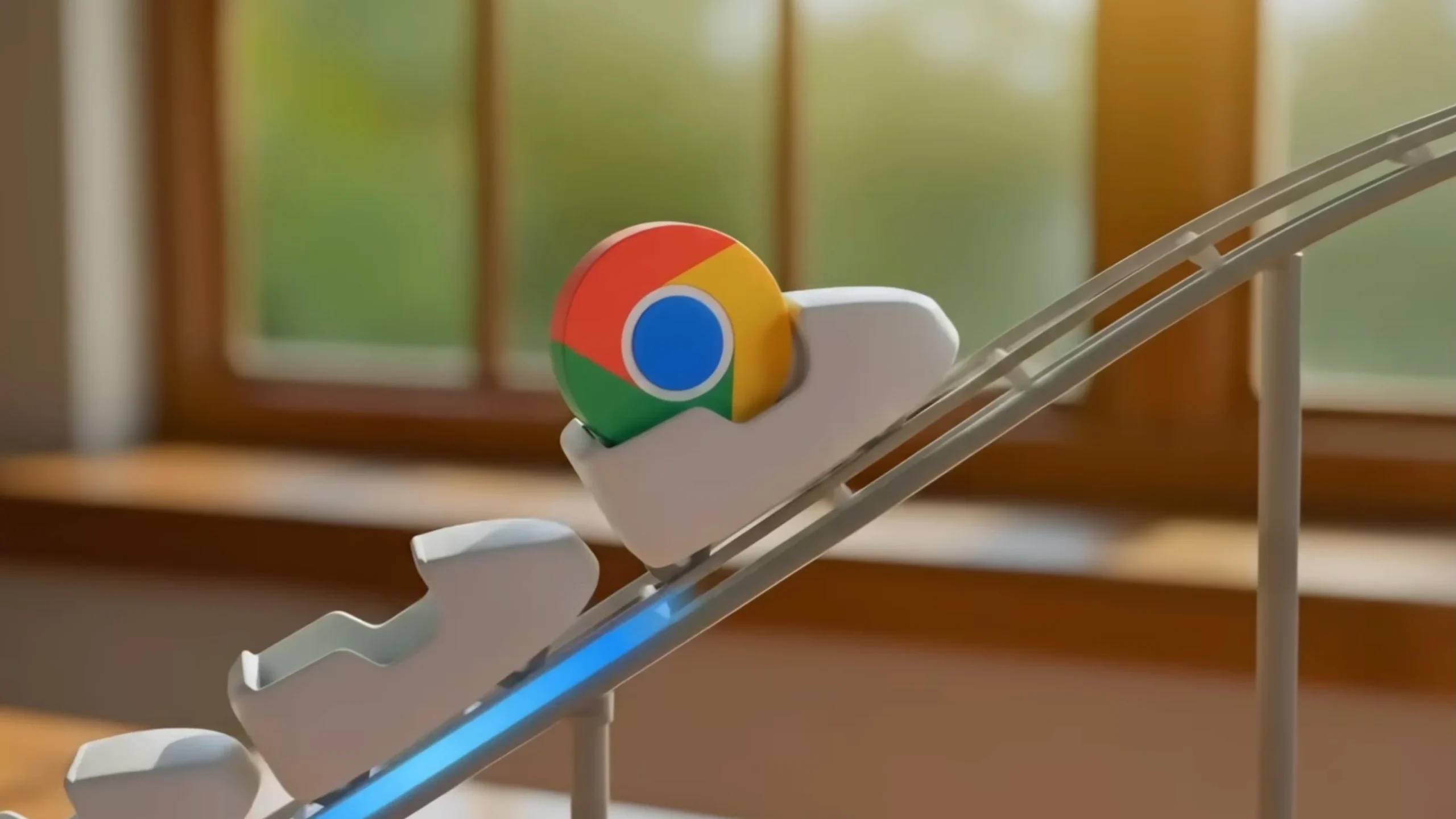
Google has started testing a faster update schedule for Chrome as artificial intelligence tools discover security problems at a much higher rate.
The company is piloting two Chrome releases each week, while major browser versions could arrive twice a month. Weekly security updates would continue alongside those larger releases.
The change is intended to reduce the time between a vulnerability being fixed and the patch reaching people who use Chrome. This has become more important because attackers can now use automated tools to study public code changes and develop working exploits within hours.
Chrome is based on the open source Chromium project. When developers fix a problem, the relevant code changes can become publicly visible before everyone has installed the browser update. That transparency helps software development, but it can also give attackers information about the flaw.
A faster release schedule would shorten the period in which patched code is public but many devices remain unprotected.
AI tools helped identify more than 1,000 flaws in one month
Google says Chrome versions 149 and 150 included fixes for 1,072 security flaws. The number of problems addressed during the past 30 days was reportedly greater than the total recorded across the previous two years of browser releases.
Much of the increase came from security systems powered by artificial intelligence. These tools can examine large amounts of browser code, search for memory safety problems, and prepare early versions of fixes for engineers to review.
The systems involved include Gemini based security bots, BigSleep, and CodeMender. In one case, an AI tool found a sandbox vulnerability that had remained unnoticed in Chrome’s code for 13 years.
| Chrome security change | Purpose |
|---|---|
| Twice weekly update testing | Deliver fixes more quickly |
| Two major builds each month | Speed up feature and platform releases |
| Weekly security updates | Address urgent vulnerabilities regularly |
| AI powered code scanning | Find hidden bugs across large codebases |
| Dynamic patching | Apply some fixes without restarting Chrome |
| Background restart support | Reduce disruption when a restart is required |
Finding more bugs is useful, but it also creates a delivery challenge. Every public fix may reveal enough technical detail for attackers to understand the original vulnerability.
In the past, a weekly update cycle often provided enough protection. Modern AI tools can analyse patches more quickly, reducing the amount of time developers have before an exploit may appear.
Dynamic patching could reduce browser restarts
Frequent updates may become frustrating for people who keep many tabs and windows open. Chrome often needs to restart before an important update is fully applied, which can interrupt work even when the browser restores the previous session.
Google is developing dynamic patching to make some updates less disruptive. Chrome already separates many tasks into individual processes, including rendering, graphics, and other background operations.
Dynamic patching could replace selected background components while the browser remains open. This would allow Chrome to apply certain fixes without closing tabs or requiring a full restart.
Not every update can be handled this way. Larger changes may still require the entire browser to restart before the new code becomes active.
Google is also testing quieter restart behaviour for those cases. On macOS, Chrome 150 can restart itself in the background after all active windows have been closed. This allows the update to finish without presenting another prompt during the next session.
Chrome updates may become more frequent before they become less noticeable
The long term goal is to create a browser that installs security patches continuously with little involvement from the person using it.

Until dynamic patching and background updates become more widely available, Chrome may request restarts more often. The faster schedule could be especially noticeable for people who leave the browser running for long periods.
The change reflects a broader shift in software security. AI systems are helping developers find vulnerabilities faster, but similar tools can help attackers understand public fixes and prepare exploits.
Google is responding by reducing the delay between discovery, repair, and installation. The approach may create some update fatigue in the near term, but it could also limit the time that newly revealed Chrome vulnerabilities remain useful to attackers.



Discussion (0)
Be the first to comment.