



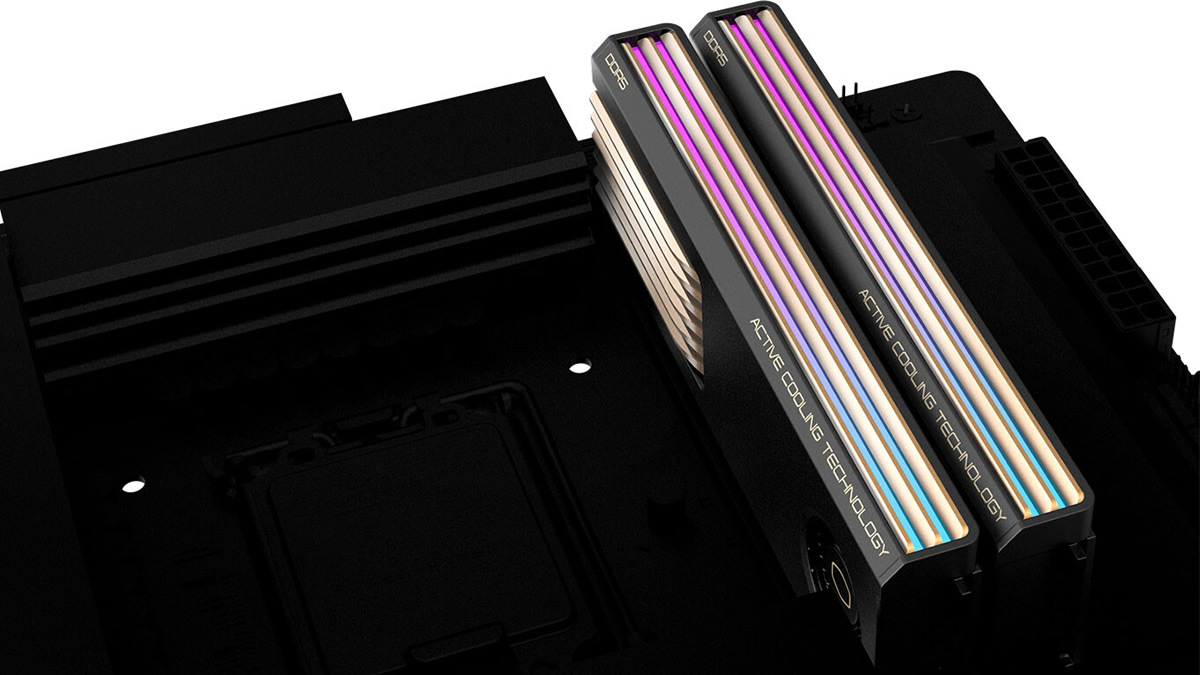
G.Skill has shown a new Trident Z5 CK CUDIMM memory kit running at DDR5 9200 speeds while using only 1.1V of DRAM voltage. The demonstration took place around Computex 2026 and highlights how next generation DDR5 memory is pushing higher bandwidth without always needing extreme voltage levels.
The kit shown is a 32GB setup, made of two 16GB modules. It reached DDR5 9200 with CL74 74 74 148 timings on an MSI MEG Z890 GODLIKE motherboard. G.Skill says the kit was validated with an Intel Core Ultra 7 270K Plus desktop processor.
What makes the result interesting is not only the speed. DDR5 9200 is already very fast, but hitting that level at 1.1V is the bigger point. That voltage is the standard JEDEC level for DDR5, which means G.Skill is trying to show that high frequency memory can also be more efficient.
High speed DDR5 is becoming more efficient, not just faster
Memory overclocking often focuses on bigger numbers, but voltage matters too. Higher voltage can increase heat and power use, especially when memory is pushed hard for gaming, content creation, AI workloads, and professional computing. Running DDR5 9200 at 1.1V suggests there is still room for better efficiency in high performance memory.
| Detail | G.Skill Trident Z5 CK CUDIMM demo |
|---|---|
| Memory speed | DDR5 9200 |
| Capacity | 32GB, 16GB x 2 |
| Voltage | 1.1V |
| Timings | CL74 74 74 148 |
| Motherboard | MSI MEG Z890 GODLIKE |
| Processor | Intel Core Ultra 7 270K Plus |
| Platform type | 4 DIMM motherboard design |
The motherboard detail is also important. G.Skill says DDR5 9200 speeds are usually seen on 2 DIMM overclocking motherboards, which are designed mainly for memory tuning. In this case, the speed was shown on a 4 DIMM board, making the result more notable for high end desktop platforms that still offer broader memory slot flexibility.
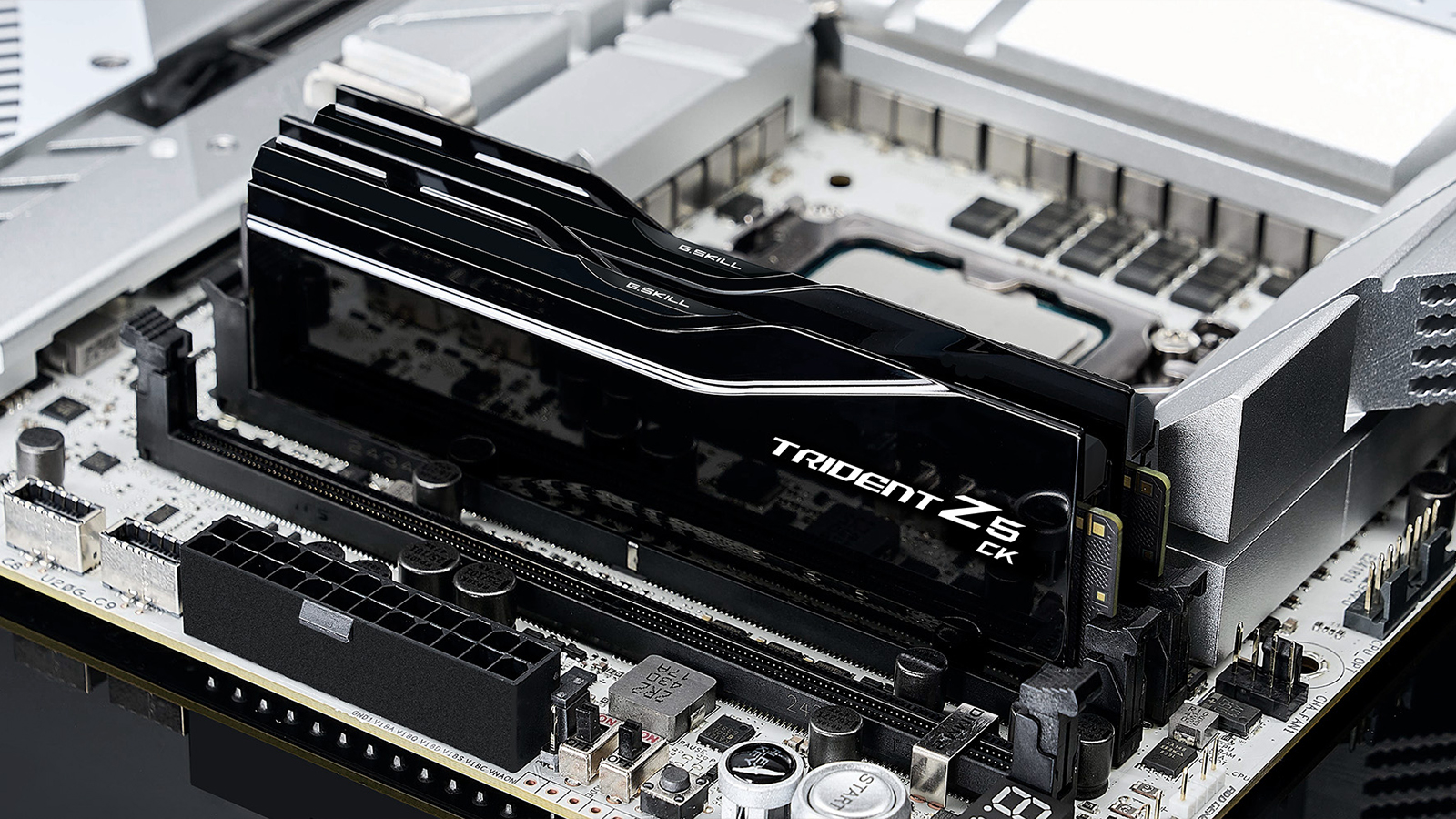
CUDIMM technology is part of this shift. These modules include clock driver improvements that help with signal stability at higher speeds. That matters because DDR5 speeds are climbing quickly, and maintaining stability becomes harder as frequencies rise.
The demonstration does not mean every buyer will immediately get this exact performance at home. Memory overclocking still depends on the processor’s memory controller, motherboard quality, BIOS tuning, cooling, and the specific memory kit. But the demo shows where premium DDR5 kits are heading.
For gamers, faster memory can help in some CPU limited scenarios, although the gains vary by game and platform. For creators and professionals, higher bandwidth can matter more in workloads that move large amounts of data. For AI and workstation use, memory speed and efficiency are becoming even more important as systems handle heavier local tasks.
G.Skill plans to show the kit at its Computex booth, alongside other next generation memory products. The company is clearly positioning this as a look at the future of high speed DDR5, where the goal is not only higher clocks but also lower power draw and better thermal behavior.
The result is another sign that DDR5 still has room to grow. DDR5 9200 at 1.1V is not a mainstream configuration yet, but it points toward a future where extreme memory speeds may become easier to run without extreme voltage.



Discussion (0)
Be the first to comment.