



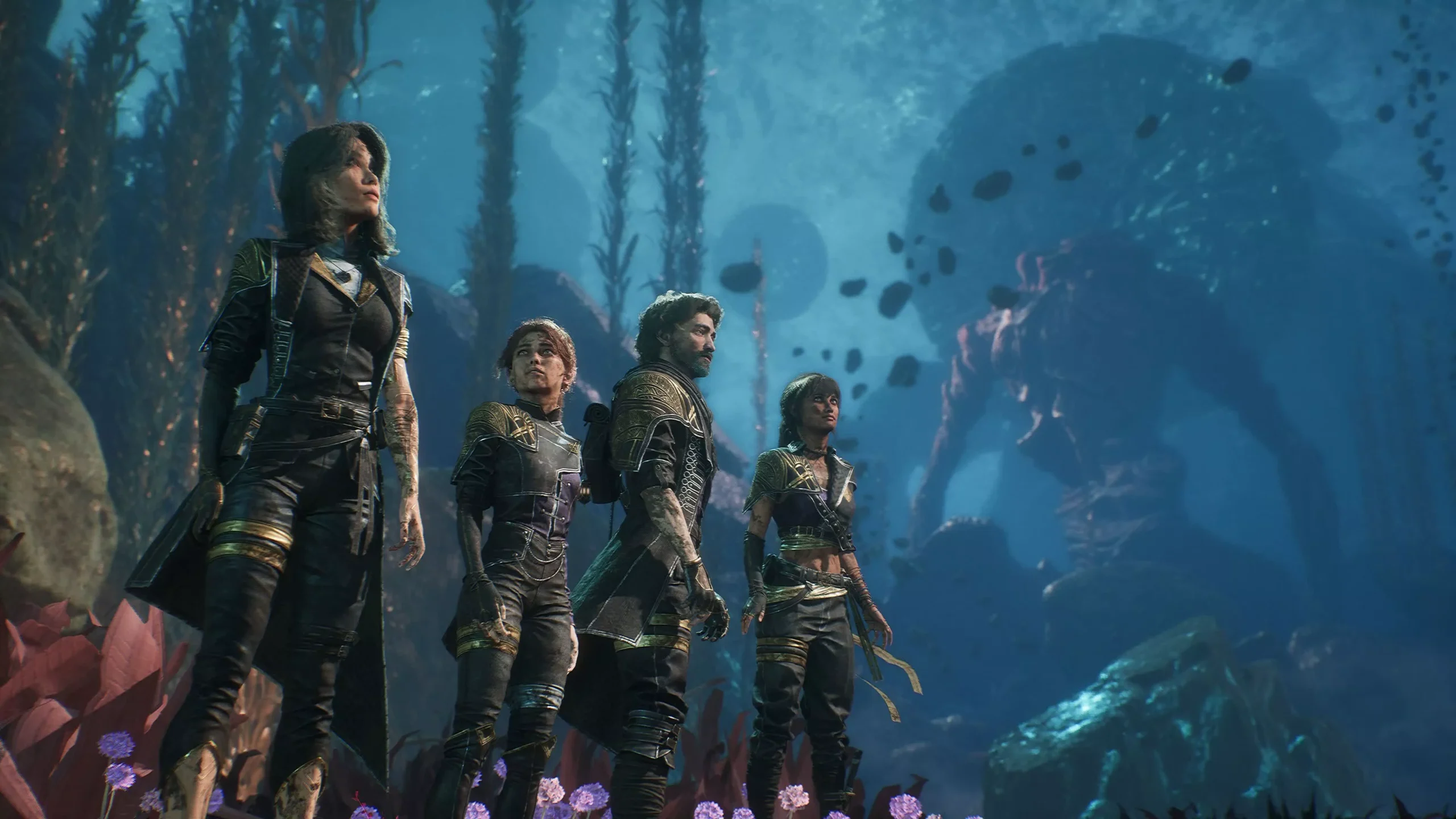
Former Ubisoft creative director Clint Hocking believes AI will become a normal part of game development, even if many players and developers remain uncomfortable with it. Hocking says the question is no longer whether studios will use AI, but how the industry handles the shift in a way that supports people instead of treating the technology as a simple replacement for human workers.
Hocking, who recently left Ubisoft after working on Assassin’s Creed Hexe, spoke about the subject in a new interview. He argued that AI has already reached a point where it cannot realistically be pushed back into the background. In his view, studios and society need to focus on managing the transition responsibly.
His comments come at a difficult time for the games industry. AI has become one of the most divisive topics in development, especially after years of layoffs, rising production costs, and growing concern that publishers may use automation to cut jobs. Many players also worry that AI generated content could make games feel cheaper, less authored, or less respectful of artists, writers, actors, and designers.
Hocking pushed back against the idea that AI is already replacing large numbers of developers inside Ubisoft. He said the company has internal teams working on AI assisted tools, but described them as tools meant to help developers do their work more efficiently. He said it is not a case where a studio simply generates a character model and places it directly into a game, or where a large part of a team is secretly made up of AI systems.
| Concern | Hocking’s view |
|---|---|
| AI replacing developers | He says that was not happening on his team |
| AI generated content | He describes current use as tool assisted, not fully automated output |
| Industry impact | He believes the technology is already here and must be managed |
| Ubisoft’s approach | Internal AI tools are being developed to help teams work faster |
| Watch Dogs: Legion | He says AI may have helped its “play as anyone” system if the timing had been different |
Hocking also reflected on Watch Dogs: Legion, his last released game. Legion’s main idea was that players could recruit almost any non player character in its version of London and turn them into a playable character. That concept created a huge writing and design challenge because the game needed many characters to feel like they had their own identity, voice, and story.
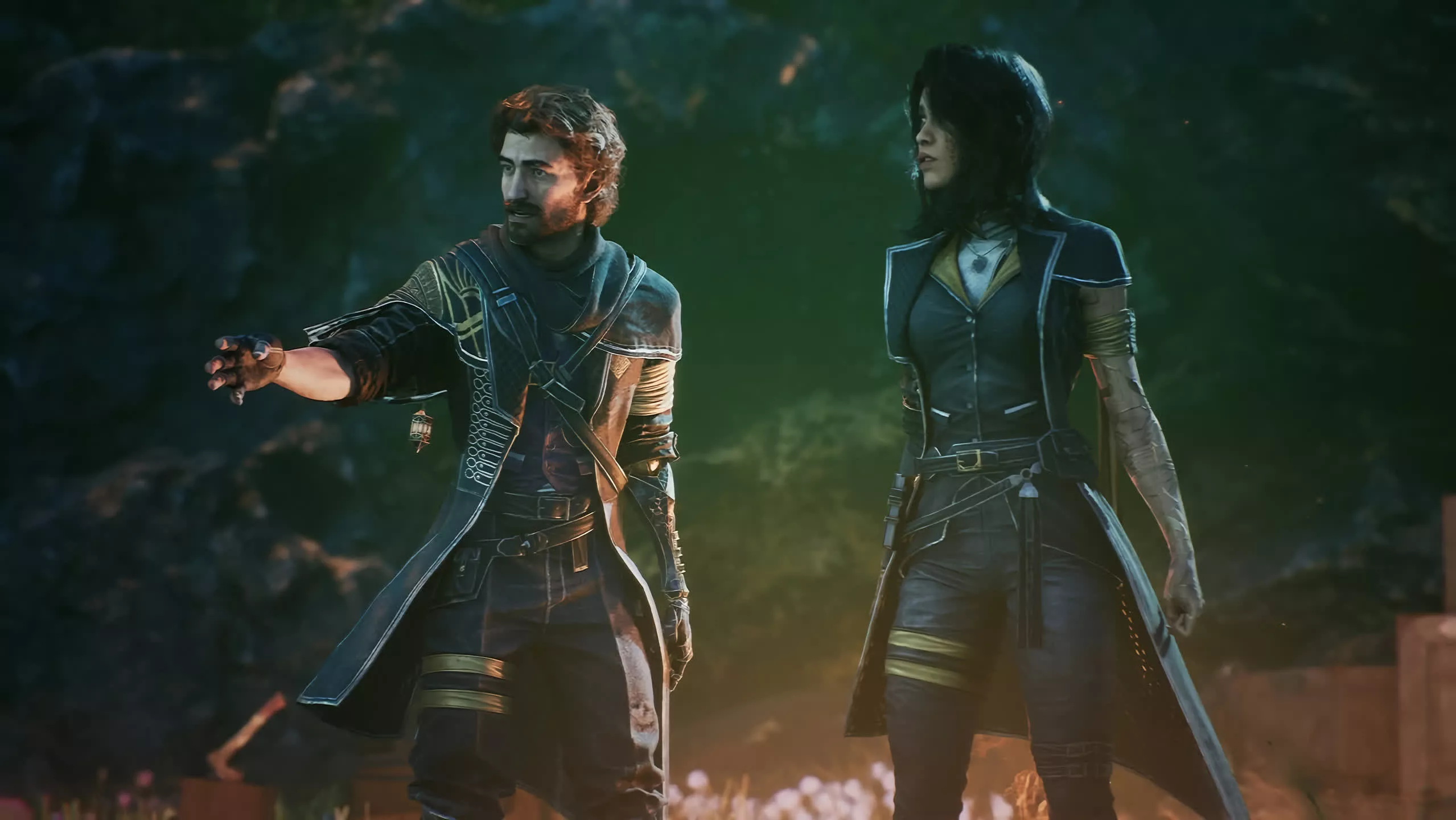
Looking back, Hocking said large language models might have helped the team explore that idea more deeply if the technology had been available at the time. During development, the team did discuss whether some character dialogue or voice elements could be generated, but the technology was not ready then. He suggested that if the project had been made a few years later, the team may have investigated AI generated dialogue and voices more seriously.
That example shows why developers are interested in AI. A game like Watch Dogs: Legion asks for a huge amount of variation. Every recruitable character needs some personality, some context, and some reason to feel different from the next one. AI tools could, in theory, help generate early drafts, variations, background details, or testing material for systems like that.
But the same example also shows why players are nervous. If AI is used carelessly, it can make characters feel generic, disposable, or disconnected from the writing team’s real intent. Games are not only technical systems. They are built around tone, taste, authorship, and human judgement. AI can create more content, but more content is not always better content.
The cultural backlash is already visible. Some studios have faced criticism for using or even discussing AI tools. Players often react strongly when they believe a company is replacing human craft with machine generated work. That distrust will not disappear quickly, especially while layoffs continue across the industry.
The best path is likely somewhere between rejection and blind adoption. AI tools may become useful for testing, prototyping, localization support, animation cleanup, bug detection, accessibility work, and helping developers handle repetitive tasks. But final creative control still needs to stay with human teams, especially for writing, art direction, performance, and world building.
Hocking’s argument is not that every use of AI is good. His larger point is that the technology is already moving into game development, and the industry needs to decide how to use it without harming the people who make games. That is a more realistic debate than pretending studios will ignore AI entirely.
For players, the concern will remain simple: does the game still feel made with care? If AI helps developers build richer worlds while humans remain in control, it may become accepted over time. If it becomes a shortcut for cutting staff and flooding games with shallow content, the backlash will only grow.
AI in games may be inevitable, as Hocking says, but trust is not. Studios will have to earn that by being honest about how they use the technology, protecting creative workers, and proving that AI assisted development can make games better rather than cheaper.

Discussion (0)
Be the first to comment.