



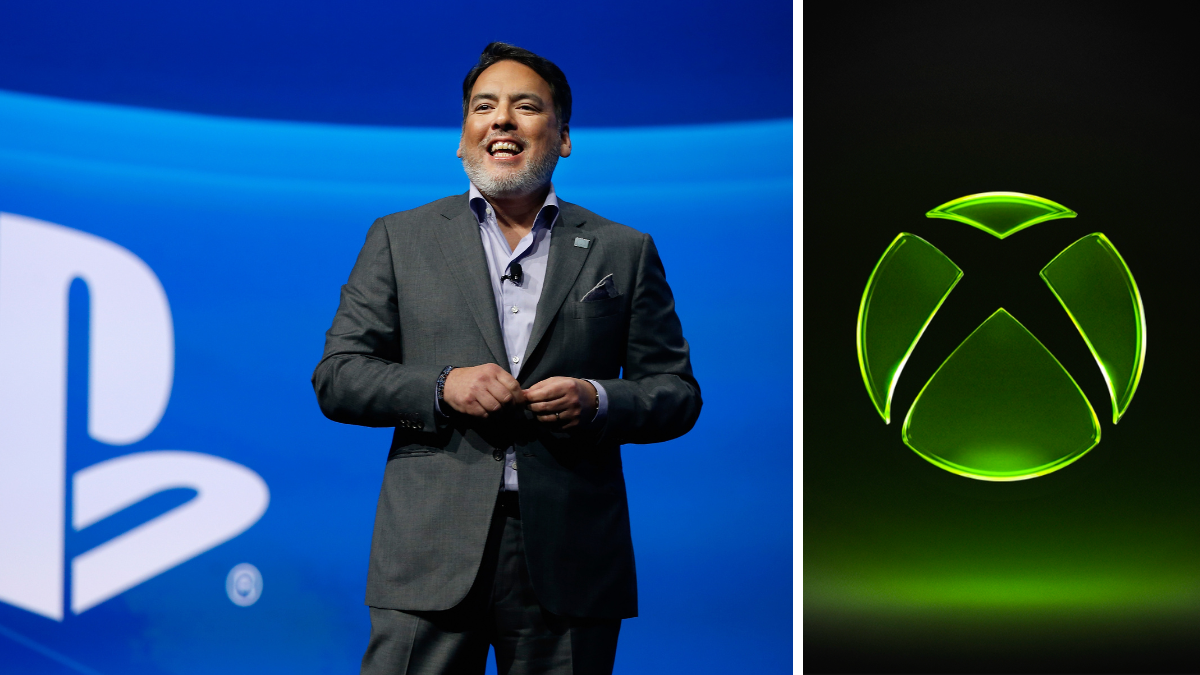
Xbox cannot continue treating hardware, publishing, subscriptions, cloud gaming, PC distribution, and multiplatform releases as equal priorities without creating conflicts between them, according to two former industry executives.
The debate has become more urgent following Microsoft’s plans to cut around 3,200 Xbox jobs by July 2027. Studio closures, project cancellations, declining Game Pass subscriptions, and a shifting approach to exclusive games have made it harder for players and developers to understand what Xbox is trying to become.
Microsoft now owns one of the largest collections of game studios and franchises in the industry. Its portfolio includes Halo, Call of Duty, Minecraft, Fallout, The Elder Scrolls, DOOM, Diablo, Warcraft, Forza, and Gears of War.
That scale gives Xbox enormous publishing power, but it also creates tension with its console business. A platform needs exclusive games to make its hardware more attractive. A large publisher benefits from selling its games to as many people as possible, including customers on competing platforms.
Hardware exclusives and multiplatform publishing pull Xbox in different directions
Former PlayStation executive Shawn Layden argues that Microsoft has two reasonable paths, but they do not naturally lead to the same destination.
Xbox can compete directly with PlayStation and Nintendo as a platform built around hardware, services, and exclusive content. Alternatively, it can operate as one of the world’s largest publishers and release its games across every major platform.
| Xbox business goal | What it requires |
|---|---|
| Strong console platform | Exclusive games and clear hardware value |
| Large global publisher | Releasing games on multiple platforms |
| Game Pass growth | A regular supply of valuable subscription content |
| PC store expansion | Competing with Steam and other established stores |
| Cloud gaming | Broad device support and reliable infrastructure |
| Mobile growth | New distribution and monetization models |
| Premium game sales | Protecting the perceived value of individual releases |
Nintendo relies on franchises such as Mario and Zelda to sell its hardware. PlayStation uses series including God of War, Astro Bot, Horizon, and other internal games to support its platform.
Xbox weakens that advantage when its major games also appear on PlayStation or Nintendo systems. At the same time, keeping large franchises exclusive reduces the audience and revenue Microsoft can reach as a publisher.
Neither strategy is automatically wrong. The problem comes from trying to pursue both without explaining which one takes priority.
Microsoft’s acquisitions have changed the role of Xbox
Microsoft’s purchases of Bethesda and Activision Blizzard expanded Xbox far beyond its original position as a console business.
The company now owns publishers that previously released games across many platforms. Continuing that approach can generate more software revenue, especially when development budgets are high and console growth is limited.
However, releasing major Xbox games elsewhere can make it harder to convince people to buy an Xbox console. Players may decide to use another platform if they expect Microsoft’s games to appear there eventually.
That uncertainty affects more than hardware sales. It can also weaken the identity of Game Pass if premium releases are expected to reach several storefronts without a clear difference in experience.
A consistent strategy could still combine these businesses. Microsoft might keep a smaller number of important franchises exclusive while releasing others broadly. It could also make hardware the best place to access its ecosystem without requiring every game to remain exclusive.
The company has not yet explained that hierarchy clearly.
Xbox has repeatedly presented conflicting messages
Microsoft has changed its public language several times.
At different points, it has emphasized console exclusives, Game Pass, cloud gaming, PC distribution, multiplatform publishing, and the idea that almost any device can function as an Xbox.
These messages can all support parts of the same ecosystem, but they do not always support one another equally.
The “This Is an Xbox” campaign attempted to define Xbox as a service available across many devices rather than a traditional console brand. That approach risked reducing the importance of Xbox hardware at a time when Microsoft still expected customers to purchase consoles.
New Xbox leadership has reportedly moved away from some of that messaging and wants to restore a stronger connection to the brand’s original values. Even so, the central conflict remains unresolved.
Game Pass adds another difficult business model
Jon Kimmich, who helped shape Microsoft’s early Xbox portfolio, argues that the company cannot simultaneously behave like Netflix, PlayStation, Steam, a cloud provider, a mobile platform, and a global publisher without deciding which business supports the others.
Game Pass depends on keeping subscribers engaged with a steady flow of games. Premium publishing depends on convincing customers that individual releases are worth paying full price for.
Those goals can conflict when a new game enters a subscription service on release day. Game Pass may gain value, but the game itself can lose direct sales or appear less valuable to customers.
The same tension affects third party partners. Publishers may hesitate to place games into a service if they believe it will reduce long term sales.
Microsoft must decide whether Game Pass is the main product, a benefit that strengthens Xbox hardware, or one distribution option within a broader publishing business.
Layoffs reduce costs but do not solve Xbox’s identity problem
Cutting jobs and cancelling projects may improve short term financial results, but those decisions do not explain what the Xbox business is designed to achieve.
The recent layoffs have affected internal studios, contractors, co-development partners, marketing teams, and other vendors. Microsoft has also reduced projects across several established franchises.
These changes may create a smaller and more efficient organization, but they can also weaken the creative capacity needed to support consoles, subscriptions, and a large publishing schedule at the same time.
Xbox does not need to abandon hardware, Game Pass, PC, cloud services, or multiplatform releases. It does need to place them in a clear order.
A platform centered on hardware would require reliable exclusive content and a reason to remain within the Xbox ecosystem. A publisher centered on reach would need to accept that software revenue matters more than protecting console exclusivity.
Until Microsoft clearly identifies which business sits at the center, every strategic change risks undermining another part of Xbox. The company owns enough studios, technology, and franchises to succeed under several different models. Its challenge is choosing one structure and explaining how the remaining parts support it.



Discussion (0)
Be the first to comment.