


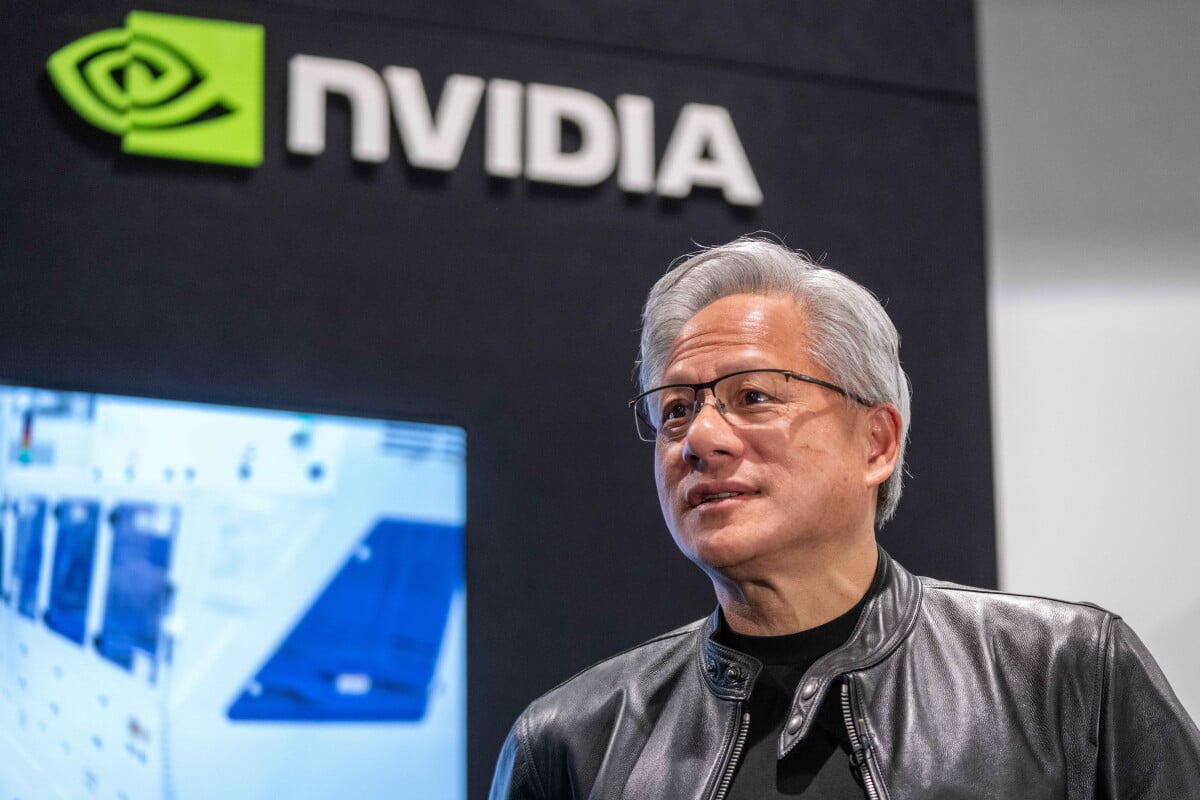
Former Nvidia CEO Jensen Huang is facing allegations about his treatment of employees after a new investigation detailed claims of workplace intimidation, public humiliation, and threatening language spanning more than two decades.
The investigation, published on November 20, 2026, includes accounts from more than a dozen current and former Nvidia employees who described Huang's management style during his long tenure as the company's chief executive.
According to the allegations, Huang regularly criticized employees in front of colleagues, sometimes using personal insults and references to physical violence.
Some employees claimed that he deliberately used humiliation to encourage stronger performance, particularly as Nvidia's financial success made traditional monetary incentives less effective.
The allegations have emerged shortly after Huang stepped down as Nvidia CEO following controversies involving his personal relationships. Nvidia has disputed the accusations concerning his workplace conduct.
Former Employees Describe Threatening Behavior at Nvidia
The investigation includes several accounts of Huang allegedly using aggressive and threatening language toward employees.
One former employee claimed that Huang threatened to remove a subordinate's arms and use them to beat the individual to death.
Another account alleged that he threatened to remove the top of an employee's head and urinate on their brain.
These statements were described as verbal threats rather than documented acts of physical violence.
Employees interviewed for the investigation alleged that such comments formed part of a broader management approach in which public criticism and humiliation were used to pressure staff.
The accounts suggest that the behavior was not limited to isolated disagreements but had been experienced by different employees over several years.
However, the allegations remain disputed, and the investigation does not establish that every reported incident occurred exactly as described.
Huang's representatives have rejected the accusations.
Huang Reportedly Believed Financial Rewards Were No Longer Enough
One of the more significant allegations concerns Huang's reported explanation for his management approach.
According to the investigation, Huang believed that Nvidia employees had become sufficiently wealthy through the company's success that financial incentives alone were no longer effective.
He allegedly regarded humiliation as another way to push employees toward higher levels of performance.
This reported philosophy is consistent with some of Huang's earlier public remarks about leadership and demanding work environments.
During a 2024 conversation with Stripe cofounder Patrick Collison, Huang discussed his preference for challenging employees rather than allowing them to remain comfortable.
He suggested that demanding treatment could help talented individuals reach their potential.
However, those public comments do not independently establish the specific conduct described by former employees.
The investigation raises questions about how Huang's management philosophy operated in practice and whether employees felt able to challenge his behavior.
Former HR Executive Reportedly Challenged Huang in 2005
The investigation also revisits a previously undisclosed dispute involving Michael Winston, a former senior vice president of human resources at Nvidia.
Winston reportedly raised concerns about Huang's treatment of employees during his time at the company.
He alleged that the CEO's conduct involved serious verbal intimidation and public humiliation.
According to the investigation, Winston was dismissed after challenging the behavior and subsequently threatened legal action against Nvidia.
The dispute reportedly ended in a confidential settlement worth more than $1 million.
Neither the settlement nor the reported payment, by itself, establishes legal responsibility for the allegations.
Winston described Huang's behavior as among the most intimidating he had encountered during his professional career.
The reported incident is particularly significant because it suggests that concerns about Huang's leadership style had been raised internally long before the latest controversies.
Nvidia Employees Remain Divided Over Huang's Leadership
Despite the allegations, Huang continues to receive considerable support from some Nvidia employees and supporters.
Following his departure, an internal suggestion reportedly called for the company to consider retaining him as chief executive.
The proposal attracted approximately 1,600 comments, with many reportedly expressing support for his return.
A separate public petition calling for Huang's reinstatement also reportedly gathered more than 200,000 signatures.
These responses demonstrate that views of his leadership differ considerably.
Some employees associate Huang with Nvidia's extraordinary commercial growth and technological achievements.
Others have described a workplace environment in which they felt pressured or intimidated by his management practices.
The accounts highlight the distinction between a company's financial performance and employees' experiences of its internal leadership.
Huang's Departure Has Created Uncertainty About Nvidia's Future
Huang cofounded Nvidia in 1993 and served as its chief executive for more than three decades.
During that period, the company developed from a graphics processor manufacturer into one of the world's most valuable technology businesses.
Its GPUs became central to gaming, professional computing, and eventually artificial intelligence infrastructure.
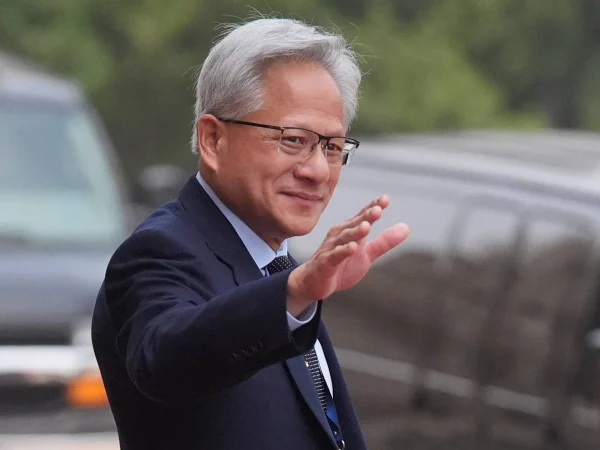
The rapid expansion of AI computing substantially increased demand for Nvidia's products and contributed to the company's financial growth.
However, Huang's leadership came under scrutiny in November 2026 following reports concerning extramarital relationships and associated concerns.
He subsequently resigned as chief executive, ending his long tenure at the company.
His departure prompted discussions about Nvidia's leadership succession and whether he should eventually return.
Although Huang has expressed willingness to resume the position if requested, Nvidia's board has indicated that it does not intend to reinstate him.
The latest workplace allegations introduce additional issues for the company as it considers its future leadership arrangements.
Nvidia Faces Questions About Its Workplace Culture
The investigation has renewed attention on how Nvidia's internal management practices developed during Huang's tenure.
The accounts from former employees suggest that some individuals experienced a demanding work environment that extended beyond ordinary performance expectations.
At the same time, support for Huang among other employees demonstrates that his leadership was not experienced or evaluated uniformly.
The allegations also raise broader questions about workplace accountability in technology companies whose founders maintain considerable influence over management and corporate culture.
Nvidia has rejected the reported allegations, and no finding establishing the full scope of the alleged conduct has been presented.
As the company moves forward under new leadership, the reported incidents may contribute to further examination of its management practices and internal processes for addressing employee complaints.
The investigation adds another dimension to the controversy surrounding Huang's departure, with attention now extending from the circumstances of his resignation to allegations about how he managed employees throughout his career.

Discussion (0)
Be the first to comment.