



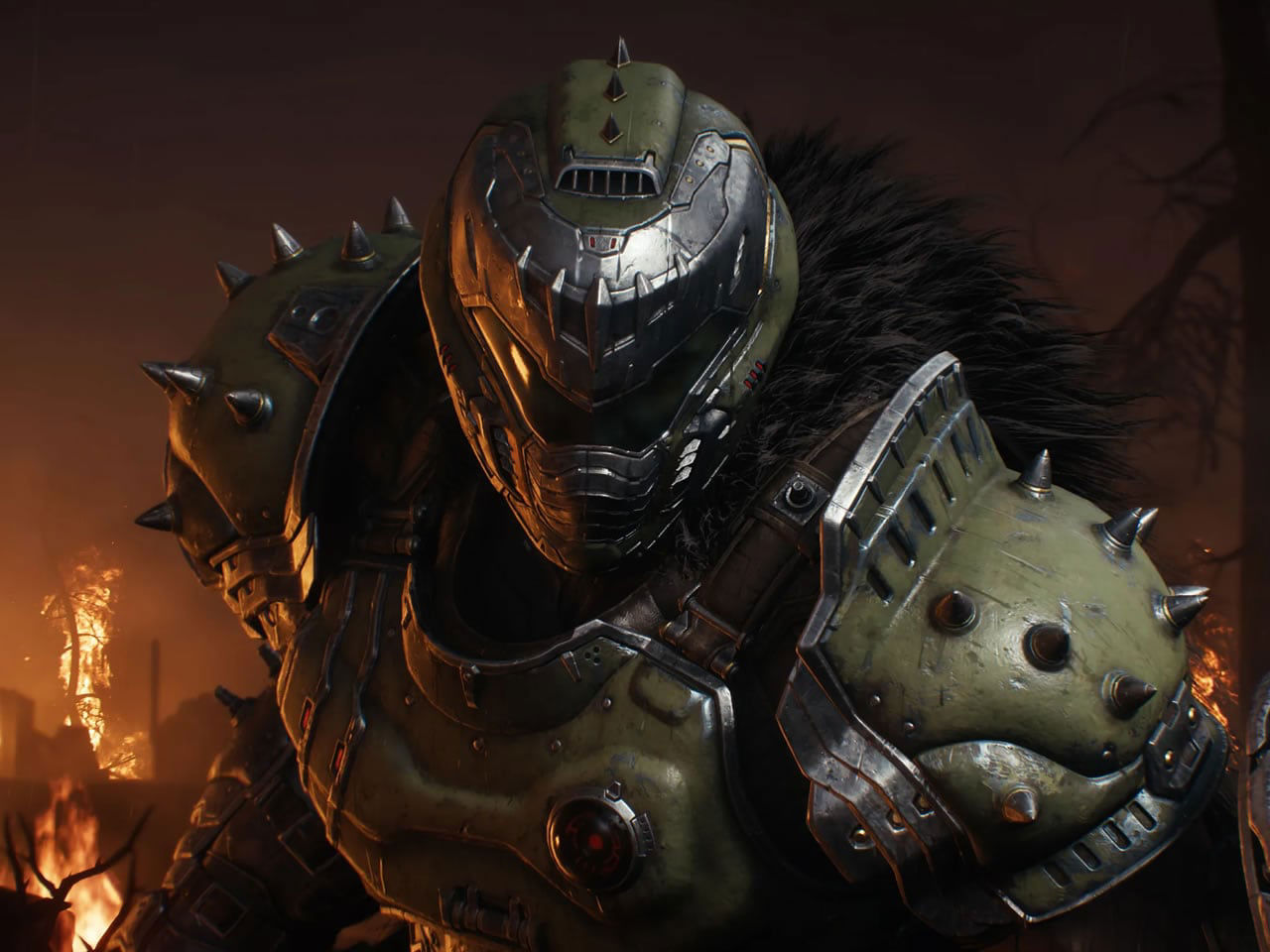
A former id Software developer has challenged the studio’s public response to Microsoft’s latest Xbox layoffs, claiming that the scale of the cuts was much more serious than the official statement suggested.
Microsoft plans to eliminate around 3,200 Xbox related jobs by July 2027, affecting teams across Bethesda, Obsidian Entertainment, ZeniMax Online Studios, and other parts of its gaming business. id Software, the studio behind DOOM and Quake, was reportedly among the companies hit particularly hard.
According to the former employee, most of the developers who worked on the recently released Revelations expansion for DOOM: The Dark Ages were laid off. The cuts also reportedly affected several teams responsible for maintaining the proprietary id Tech engine.
Microsoft has disputed reports that the engine group was effectively removed, saying dozens of employees still work on id Tech across several locations. The difference between the two accounts leaves uncertainty around the studio’s ability to maintain its technology and build another large game with the engine.
The id Tech team reportedly lost significant institutional knowledge
id Tech has supported several generations of id Software games and is known for high performance rendering, responsive combat, and strong optimization across PC and consoles.
Maintaining an internal engine requires specialists who understand its rendering systems, development tools, animation pipelines, artificial intelligence, physics, visual effects, and platform support. Losing experienced employees can create problems that are not solved simply by hiring replacements.
The former developer said the studio removed many of the people capable of fixing, modifying, and maintaining the engine. The claim has not been independently confirmed, but it suggests that the impact extended beyond one production team.
| Reported affected area | Claimed impact |
|---|---|
| DOOM: The Dark Ages Revelations team | Majority of staff reportedly laid off |
| id Tech engine group | Significant loss of experienced developers |
| Visual effects team | Five employees, including the lead, reportedly cut |
| Technical art and design | Only the team lead reportedly remains |
| AI and gameplay design | Around 90 percent reportedly removed |
| Long serving staff | One developer from id Software’s early era reportedly laid off |
The reported visual effects cuts included five employees and the team lead. The technical art and design department was said to have lost four of its five members, leaving only its lead.
These teams help connect creative work with engine technology. Technical artists prepare tools, workflows, materials, and effects that allow other developers to build content efficiently. A small remaining group may struggle to support the same production scale.
AI and gameplay design teams were also reportedly reduced
The former employee claimed that around 90 percent of the design team responsible for gameplay and artificial intelligence was removed.
Those developers help define enemy behavior, combat encounters, player abilities, difficulty balance, and moment to moment game systems. DOOM depends heavily on carefully tuned enemy combinations and predictable combat rules, making that experience especially valuable.
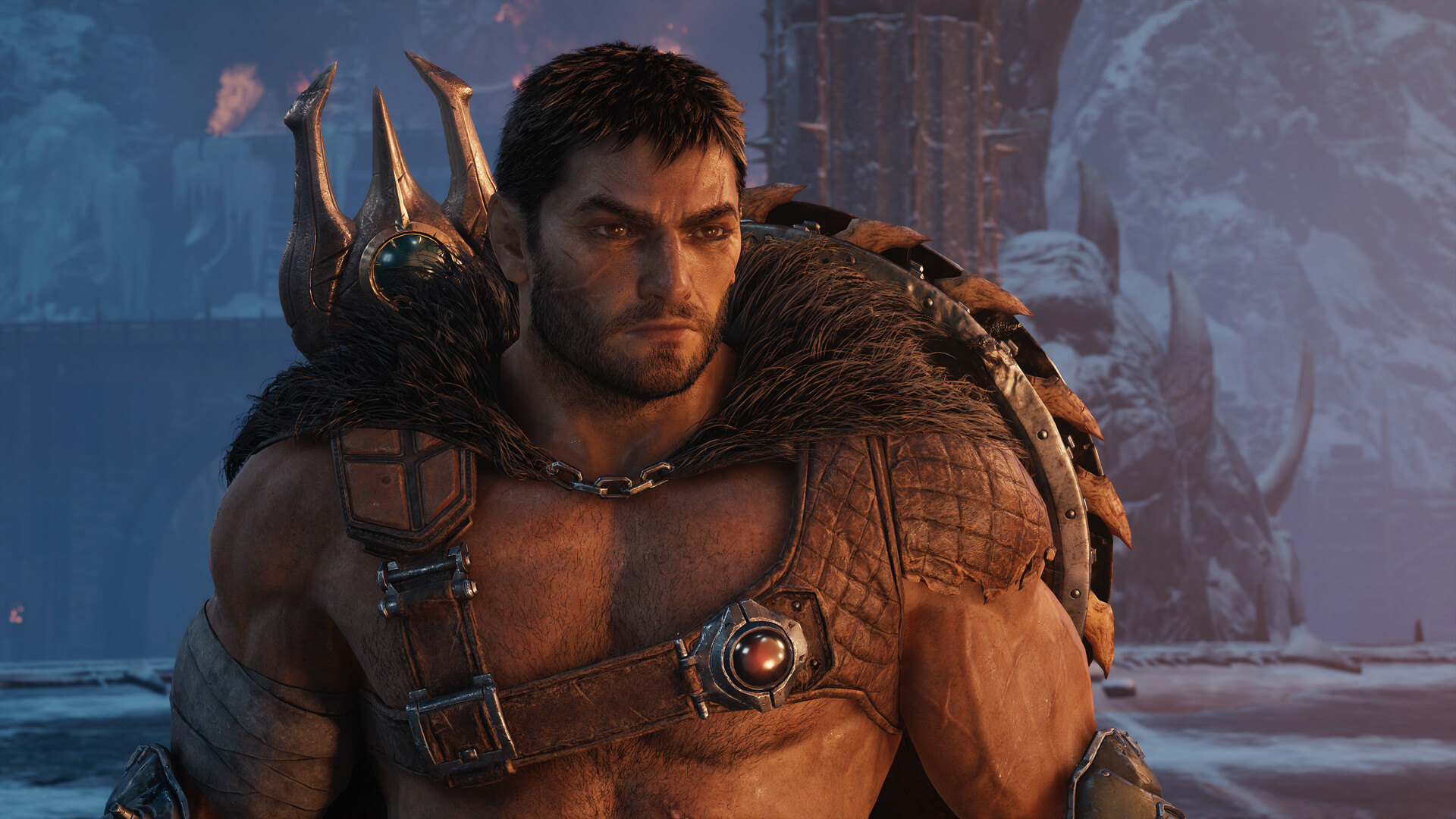
Losing most of the team does not make future development impossible, but it can slow production and force the studio to rebuild knowledge that previously existed inside the company.
The layoffs reportedly included one of id Software’s longest serving employees, who had worked at the studio since the era of founders John Carmack and John Romero.
Long term employees often understand older systems, past design decisions, and the technical history of a studio. Their departure can affect training, problem solving, and the transfer of knowledge to newer staff.
Microsoft disputes claims that the engine team was eliminated
Xbox has rejected the strongest descriptions of the id Tech cuts.
In a statement, the company said dozens of people continue to work on id Tech across multiple locations. It also said claims that the Texas based engine team had been completely removed were inaccurate.
Both accounts could contain part of the truth. Microsoft may still employ dozens of engine developers while id Software has lost many senior specialists or people attached to specific departments.
| Account | Main position |
|---|---|
| Former developer | Cuts removed much of the knowledge needed to maintain id Tech |
| Xbox | Dozens of employees still work on the engine |
| Confirmed point | id Software was affected by the wider layoffs |
| Unclear point | How much production capacity remains |
| Long term question | Whether the next project will still use id Tech |
Headcount alone does not show how much experience or production capacity remains. A team can continue to exist while losing the people responsible for particular tools, systems, or workflows.
Microsoft has not provided a detailed breakdown of the affected roles, and id Software has not announced changes to its future projects.
The studio’s ability to build another id Tech game is now under scrutiny
Reports suggest that another DOOM project may be in development, but its status is uncertain.
The public statement from id Software indicated that the studio could continue making games. The former employee argued that this position did not reflect the internal damage caused by the layoffs.
A future title could still move forward with a smaller team, additional hiring, outside support, or technology shared across Microsoft’s studios. The company could also reorganize id Tech development across several locations.
Another option would be to use a third party engine, although that would represent a major change for a studio closely associated with its own technology.
Switching engines would not immediately solve the staffing problem. Developers would need time to learn new tools, rebuild production systems, and adapt id Software’s fast combat and technical standards to a different platform.
Successful projects did not protect teams from cuts
The layoffs reportedly affected developers who had recently completed work on a released expansion.
That has increased concern among game developers that commercial success and completed work no longer provide meaningful job security. Teams can deliver a project and still be reduced shortly afterward as part of a wider financial restructuring.
Microsoft has described its current Xbox strategy as one that values creators and prioritizes major franchises. The reported cuts at id Software have created questions about how that message fits with the loss of experienced developers.
The full effect may not become clear until the studio announces its next game. A new project built with id Tech would show that the engine and development teams remain functional, although the scale and quality of that project would still depend on the resources available.
For now, Microsoft says id Software retains the people needed to continue. Former staff describe a much more difficult situation, with major gaps across engineering, effects, design, and gameplay development. The difference between those accounts will remain unresolved until the studio reveals what it can build after the restructuring.



Discussion (0)
Be the first to comment.