



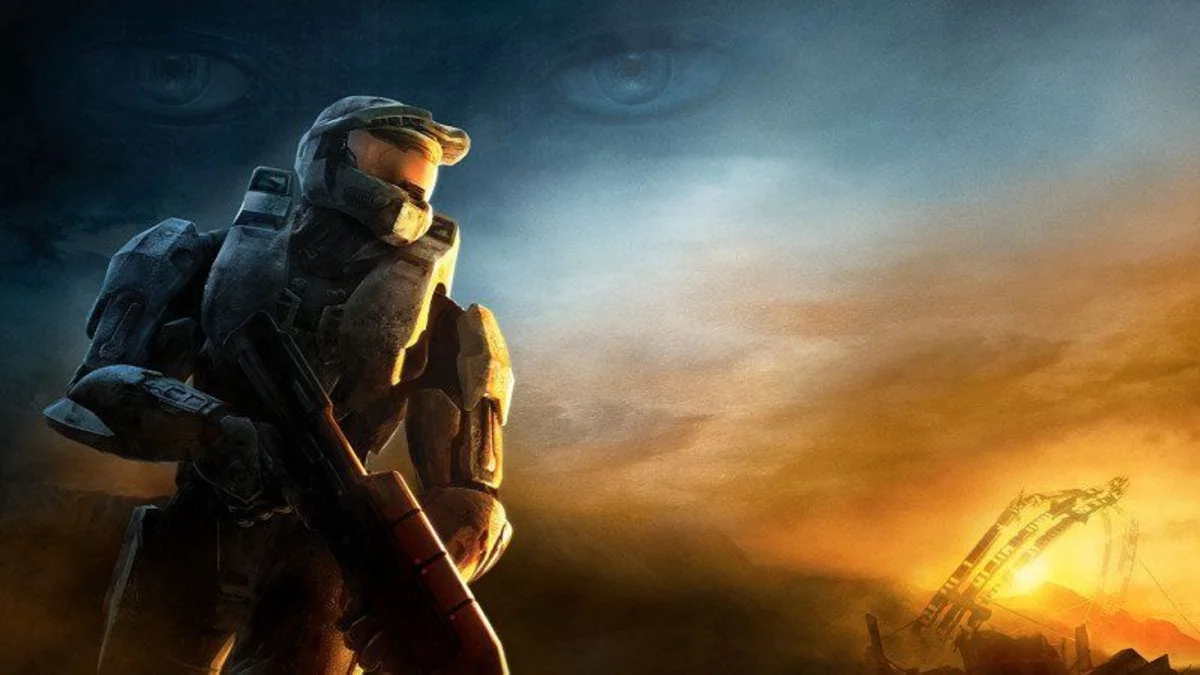
Former Bungie designer Niles Sankey believes Microsoft is missing a major opportunity with Halo by not making smaller games that return to the franchise’s classic era. Sankey, who worked at Bungie from 2006 to 2015 and served as lead mission designer on Halo: Reach, shared his thoughts during a long interview with Halo creator Mint Blitz.
His view is simple. Microsoft owns one of gaming’s most recognizable franchises, but it does not need every new Halo project to chase modern blockbuster expectations. Instead, Sankey thinks Microsoft could create a separate team focused on building Halo games that look and feel like they came from the Halo 3 and Halo: Reach era.
That idea arrives at a tense time for the series. Halo Studios has faced reports about layoffs, outsourcing, leadership problems, and canceled ideas. Fans are also divided over how much Halo should modernize. Every remake, reboot, or sequel raises the same questions: should Halo have sprint, should it keep classic movement, should the art style stay older and cleaner, or should it chase modern visual standards?
A smaller classic style Halo could avoid the pressure of pleasing every fan at once
Sankey argues that modernizing old Halo experiences creates difficult problems because any change can upset part of the fan base. If a remake makes Forerunner structures look too clean, some players complain. If it adds sprint, another group complains. If it removes sprint, others feel the game is outdated.
His solution is to stop trying to solve all of that inside one massive modern project. A separate team could instead build a new Halo game with 2007 era style graphics and classic design priorities. That would not replace the mainline Halo direction. It could sit beside it as a focused project for fans who miss the older sandbox, pacing, and campaign structure.
| Idea | Why it matters |
|---|---|
| Classic era Halo games | Could appeal to fans of Halo 3 and Reach |
| Separate development team | Would avoid disrupting the main Halo roadmap |
| Smaller scope | Could reduce cost and development pressure |
| Older visual style | Would let the focus return to gameplay and sandbox design |
| Fan demand | Many players still prefer the Bungie era feel |
The argument makes sense because Halo was never only about graphics. The series became iconic because of its sandbox, enemy encounters, co op, multiplayer balance, music, story, vehicles, and social play. A game that captures those strengths does not need to compete visually with every modern shooter.
It could also help Microsoft use Halo more actively. The franchise has enough history and world building to support side projects, smaller campaigns, spin offs, and experimental releases. Instead, Halo often feels trapped under the pressure of one massive flagship release carrying the entire brand.
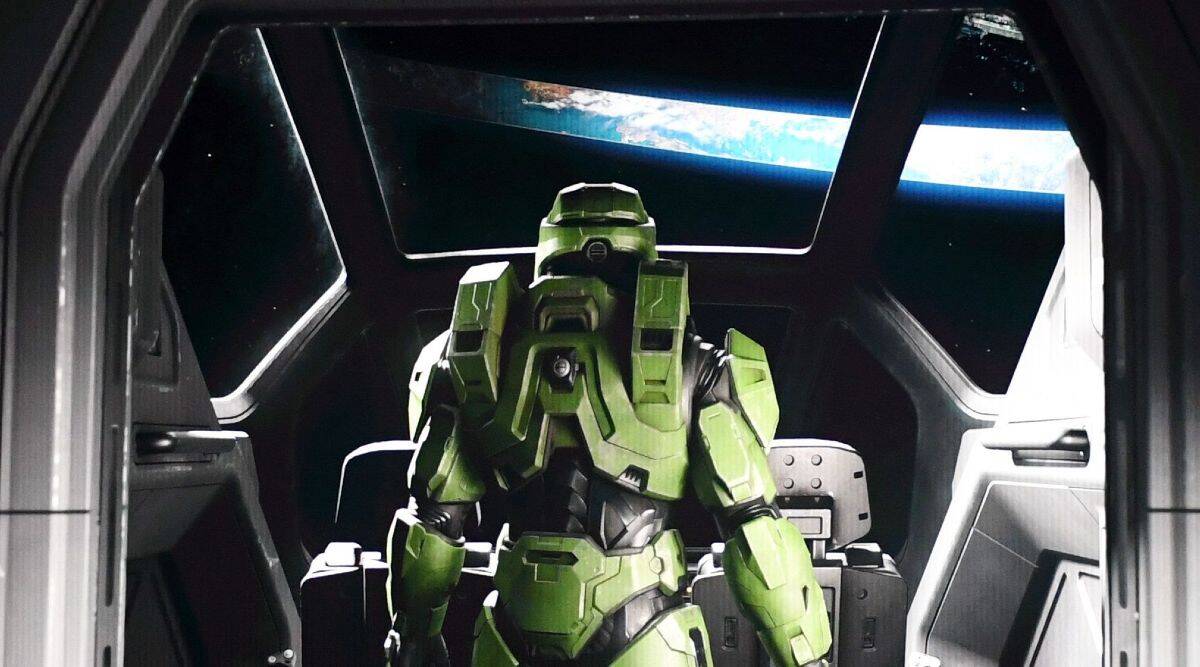
A classic style Halo would not be risk free. Fans can be nostalgic, but nostalgia alone does not make a new game successful. Microsoft would still need strong mission design, memorable encounters, good multiplayer tools, and a clear reason for the project to exist. But a smaller scoped Halo could be easier to manage than another giant reinvention.
Sankey’s comments also touch on a larger problem in modern game development. As projects become more expensive, studios often become more cautious and lose some of the culture that made their earlier games special. Halo is one of the clearest examples of that tension. The older games were ambitious, but they were also more focused.
Microsoft has not announced any classic style Halo project. For now, the next major focus appears to be Halo: Campaign Evolved. But Sankey’s point will likely resonate with many longtime fans. Halo does not need to choose between the past and the future. Microsoft could give the franchise room to do both.



Discussion (0)
Be the first to comment.