



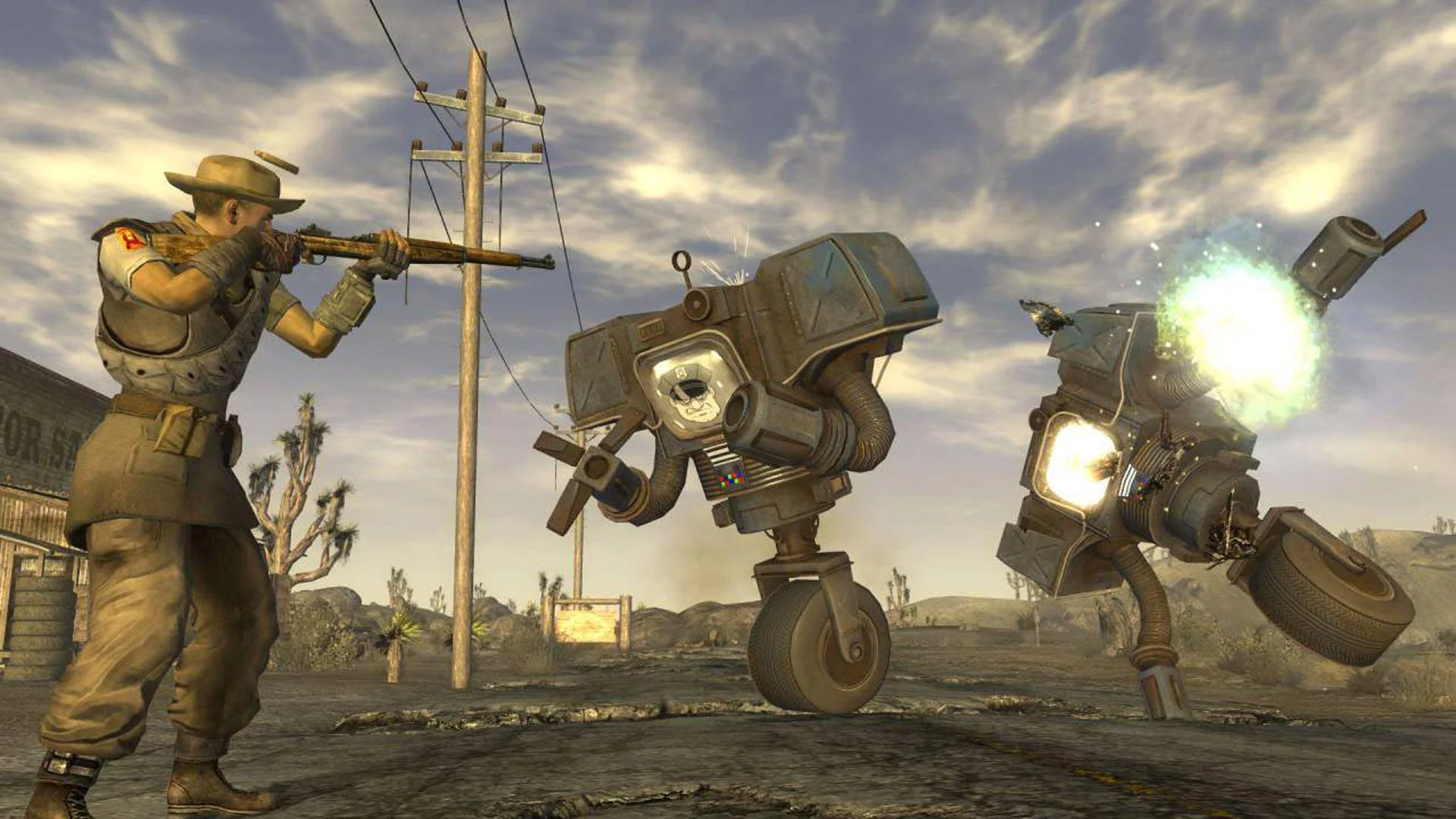
Fallout: New Vegas is now seen by many players as one of the best games in the Fallout series, but director Josh Sawyer says Obsidian had to keep its ambitions under control because the studio only had 18 months to make it. The short timeline forced the team to focus on the parts it could realistically deliver well: story, quests, writing, and world reactivity.
New Vegas launched in 2010 as a follow up to Bethesda’s Fallout 3. Bethesda wanted a new Fallout game to fill the gap between Fallout 3 and The Elder Scrolls V: Skyrim, and Obsidian agreed to build it within a year and a half. That schedule would be tight for almost any RPG, but it was especially demanding for a game with branching quests, factions, dialogue choices, companions, and a large open world.
Sawyer said Obsidian knew from the start that the 18 month window would define what the team could and could not do. Because of that, the studio reused as much of Fallout 3’s engine technology and assets as possible. That let the developers spend more time on the elements that made New Vegas stand apart.
Obsidian focused on quests and reactivity because there was no time for a bigger reinvention
Sawyer explained that the team’s goal was to modestly adjust some of Fallout 3’s systems, follow Bethesda’s open world exploration style where possible, and then make the best story and quest content it could within the deadline. He said there was little room to aim for anything much bigger.
That meant other ideas had to be dropped. Sawyer said the 18 month schedule was not a goal, but a constraint. The team had to work inside it, which pushed the game toward a tighter creative focus.
| Fallout New Vegas development detail | What it meant |
|---|---|
| Development time | 18 months |
| Publisher goal | Fill the gap between Fallout 3 and Skyrim |
| Obsidian’s approach | Reuse Fallout 3 tech and assets where possible |
| Main focus | Story, quests, writing, and reactivity |
| Result | Many extra ideas had to be cut |
That decision helped shape New Vegas into the game players remember today. It did not feel like a huge technical leap from Fallout 3, and it had many bugs at launch. But its writing, faction design, quest choices, and moral ambiguity gave it a long life. Over time, many fans came to value those strengths more than its technical rough edges.
Sawyer also said he believed in Obsidian’s designers and writers. He trusted the team to create strong quests and content if it stayed focused. That confidence paid off, because New Vegas became known for exactly those qualities.
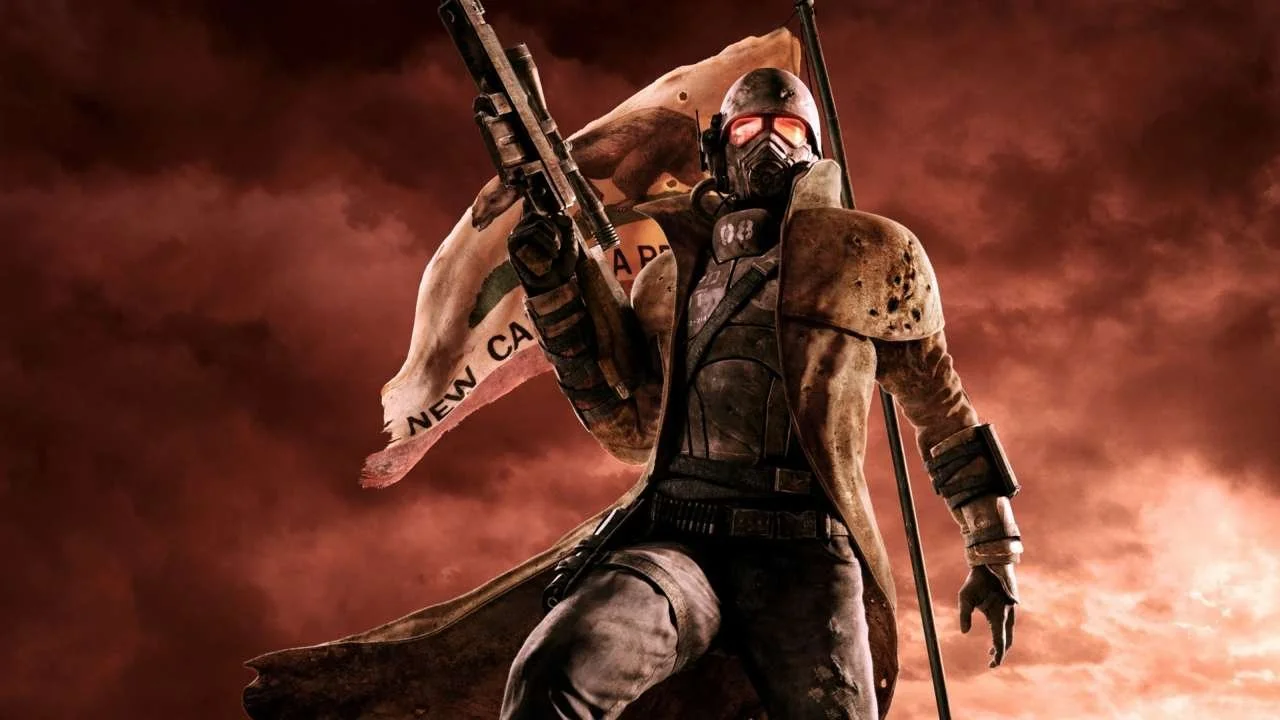
The story is also a useful reminder that scope control can sometimes save a game. Obsidian may have had more ideas, but trying to chase all of them in 18 months could have weakened the final result. By accepting the limits and building around the team’s strongest skills, the studio made an RPG that still has a major fan base 16 years later.
It is still tempting to wonder what Fallout: New Vegas could have been with more time. A longer schedule might have allowed more locations, deeper systems, fewer bugs, and some of the ideas that had to be cut. But the version that exists remains impressive because it was made under such pressure.
New Vegas worked because Obsidian understood where to spend its limited time. It could not rebuild Fallout from the ground up, so it made the world more reactive, the choices more meaningful, and the writing sharper. That focus is why the game still stands out today.



Discussion (0)
Be the first to comment.