



Midgar Studio, the French developer behind Edge of Eternity and the upcoming Edge of Memories, has officially shut down after failing to secure an acquirer during its court supervised restructuring process.
Studio founder Jérémy Zeler Maury confirmed that a court had ordered the company’s liquidation. The team had spent the final weeks exploring possible rescue options, but no agreement could be completed before the legal deadline.
Midgar Studio became financially vulnerable after French publisher Nacon entered insolvency proceedings earlier in 2026. Several studios connected to the publisher were affected, including Cyanide and Spiders. Midgar Studio initially appeared to have a chance of surviving independently because it was actively seeking a buyer.
That effort has now ended without a successful deal, bringing the studio’s operations to a close and leaving the future of Edge of Memories uncertain.
The studio worked until the end to secure an acquisition
Zeler Maury said the team examined every available option to preserve both the company and its employees.
The liquidation was not the outcome the studio had hoped to announce. Midgar expected that an investor or larger publisher might step in, take control of the company, and allow development to continue.
| Closure detail | Confirmed information |
|---|---|
| Studio | Midgar Studio |
| Country | France |
| Founder | Jérémy Zeler Maury |
| Known projects | Edge of Eternity and Edge of Memories |
| Closure reason | No buyer secured before the legal deadline |
| Final legal action | Court ordered liquidation |
| Publisher linked to the crisis | Nacon |
| Status of Edge of Memories | Unclear |
The studio’s statement suggests that potential solutions were discussed but could not be finalised within the time allowed by the process.
Insolvency proceedings often place strict limits on how long a company can continue operating without new funding. Even when interested parties exist, legal reviews, financial checks, employment obligations, and ownership negotiations can prevent a deal from closing quickly enough.
Edge of Memories now faces an uncertain future
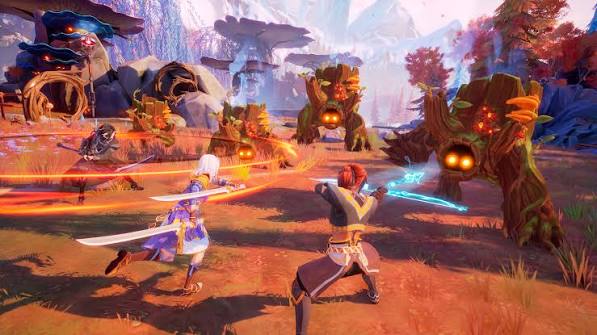
The closure creates immediate questions about Edge of Memories, an action role playing game that had already been shown publicly and made available for hands on demonstrations.
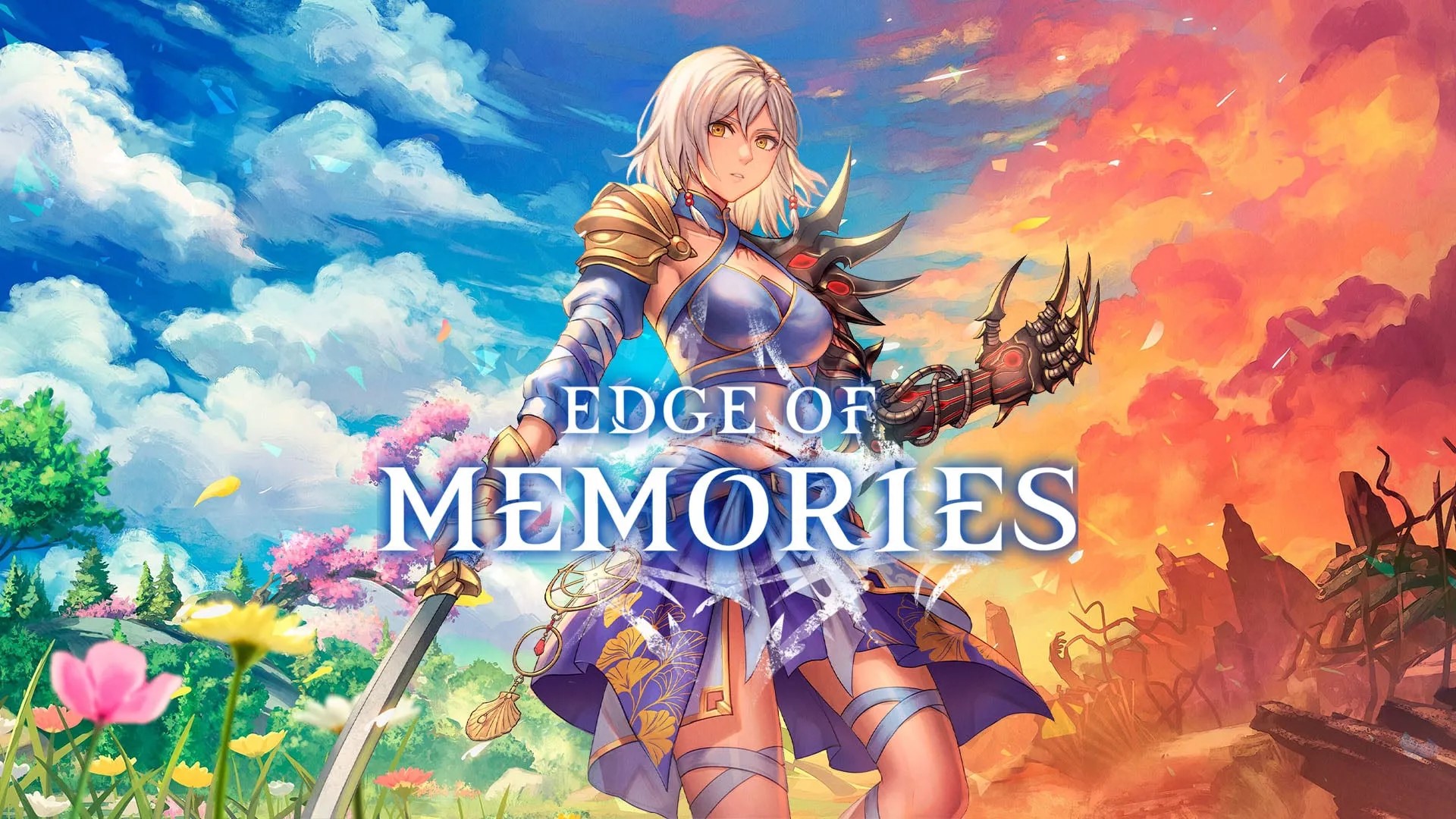
The project appeared to be an important step forward for Midgar Studio. Its visual style and combat drew comparisons with Japanese action RPGs, particularly games associated with the Mana series.
However, the supplied information does not confirm whether development rights, assets, or intellectual property will be sold during liquidation.
A publisher or another studio could potentially acquire the project separately, but there is no confirmed agreement at this stage.
| Possible outcome for Edge of Memories | Current certainty |
|---|---|
| Development continues under another studio | Not confirmed |
| Project is sold during liquidation | Possible |
| Nacon retains publishing rights | Unclear |
| Development is cancelled | Possible |
| Former team members reunite elsewhere | Unknown |
The game’s future will depend on who owns the underlying rights and whether another company sees enough value in completing development.
Even if the project survives, a transition to a new team could lead to delays, design changes, or a revised release plan.
Midgar Studio had built its reputation through ambitious RPG projects
Midgar Studio was best known for Edge of Eternity, a role playing game that aimed to deliver a large scale experience despite being created by a relatively small team.
The studio developed a reputation for pursuing ambitious ideas with limited resources. Its games were not always technically polished, but they attracted players who appreciated their scope, world building, and clear influence from Japanese RPGs.
Edge of Memories was expected to move toward a more action focused structure. Early demonstrations suggested a brighter visual identity and faster combat than the studio’s earlier work.
The closure ends that development path unless another company acquires the project.
Nacon’s insolvency affected several development teams
Midgar Studio’s situation is part of a wider disruption connected to Nacon’s financial collapse.
When a publisher enters insolvency, studios that depend on it for funding, payroll, marketing, or project management can quickly face their own financial problems.
Independent developers may have limited cash reserves and may not be able to continue paying employees while searching for a replacement partner.
| Financial dependency | Risk for a development studio |
|---|---|
| Publisher funded payroll | Salaries may become difficult to maintain |
| Publisher owned milestones | Payments may stop during insolvency |
| Shared marketing budget | Launch plans can collapse |
| Distribution agreements | Release timing may become uncertain |
| Intellectual property ownership | Projects can become difficult to sell |
| Legal deadlines | Acquisition talks may not finish in time |
The closure of multiple studios linked to the same publisher shows how financial problems can spread through the development network.
Even a team with a promising game may struggle to survive if its primary funding source disappears.
The employees now face another difficult transition
The immediate impact falls on Midgar Studio’s employees.
Artists, programmers, designers, writers, producers, and support staff must now search for new positions in an industry that has already experienced widespread layoffs and studio closures.
Zeler Maury’s statement emphasised the effort made to protect the team, suggesting that preserving jobs was a central part of the acquisition search.
The studio’s developers may eventually join other companies or establish new independent teams. Their experience working on Edge of Eternity and Edge of Memories could make them valuable to other RPG projects.
However, the closure still represents the loss of an established creative group and the disruption of work that had taken years to build.
Liquidation does not always end a project permanently
A studio closure does not automatically mean every unfinished game disappears.
During liquidation, intellectual property, technology, equipment, and development assets may be sold to recover money for creditors. Another publisher could acquire Edge of Memories and continue development with a different team.
Former Midgar employees could also be hired by the buyer, helping preserve some continuity.
The challenge is that unfinished games can be expensive to evaluate and complete. A buyer must understand the project’s technical condition, remaining budget, commercial potential, and contractual obligations.
Without access to that information, it is impossible to estimate whether Edge of Memories is likely to return.
Midgar Studio’s closure ends the company’s independent operation, but it may not be the final chapter for its people or projects. For now, the confirmed outcome is that no buyer was secured before the deadline and the court has ordered liquidation, leaving Edge of Memories without a clear development path.



Discussion (0)
Be the first to comment.