



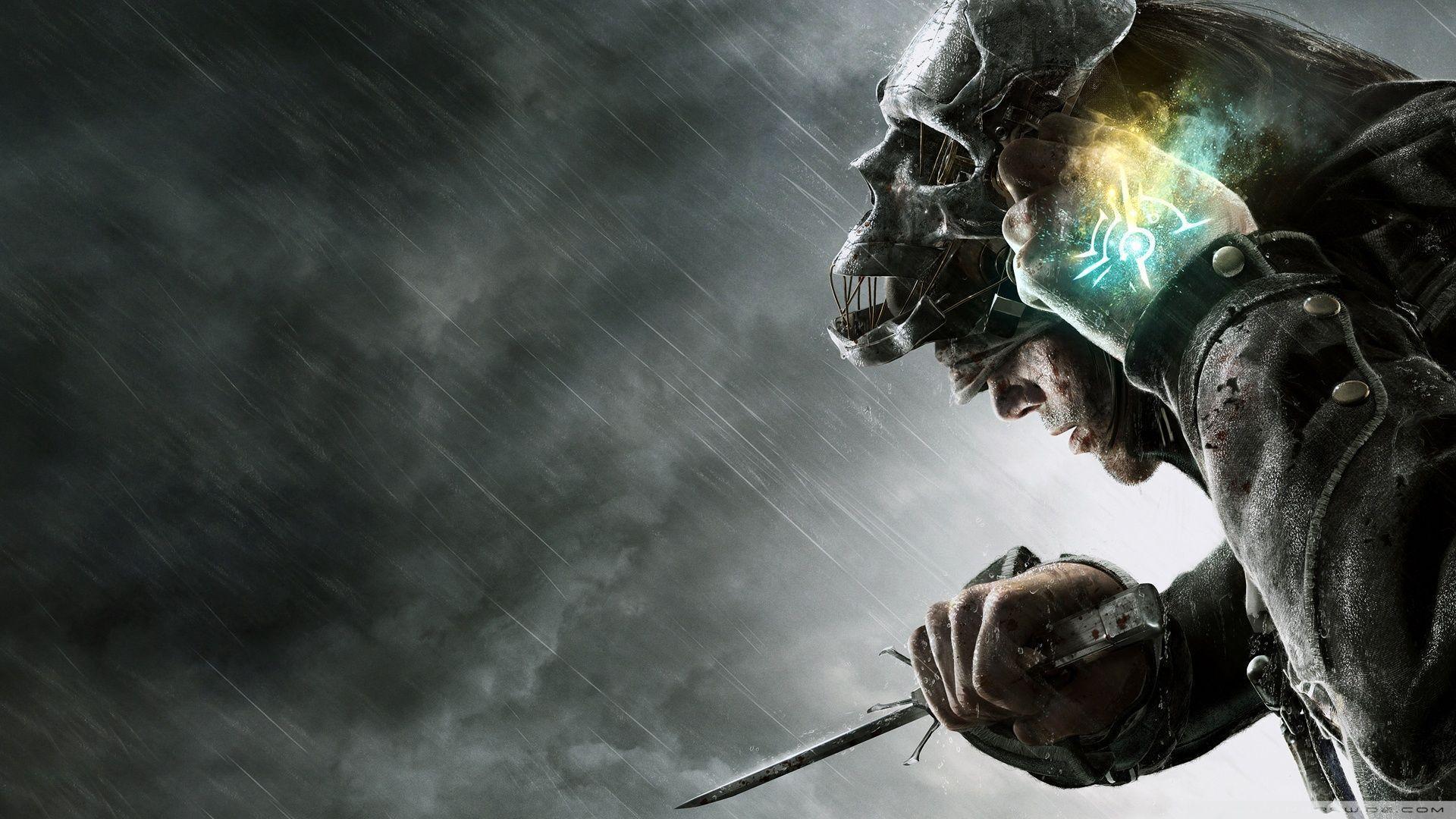
Dishonored is now remembered as one of the best immersive sims of its era, but Arkane Studios almost worked on two very different projects before creating it. According to Dishonored co directors Raphael Colantonio and Harvey Smith, Bethesda originally had the studio looking at pitches for Thief 4 and a Blade Runner game before both plans fell through.
The detail came up while Colantonio and Smith were replaying Dishonored and discussing how the project began. Before Dunwall, Corvo, the Outsider, plague rats, and supernatural stealth powers existed, Arkane was in a difficult business position and needed a new project. Bethesda came to the studio with the possibility of working on a new Thief game, and a Blade Runner proposal followed after that.
Arkane’s failed licensed pitches helped open the door for Dishonored’s original setting
For Arkane, both ideas were extremely tempting. Thief was one of the most important immersive sim and stealth series ever made, while Blade Runner carried the kind of atmosphere, world building, and moral tension that fit the studio’s taste. Smith compared the situation to offering cats two bags of catnip, because both properties were deeply exciting for the team.
| Project Arkane considered | What happened |
|---|---|
| Thief 4 | Arkane had a strong pitch, but the deal did not happen |
| Blade Runner game | Also discussed, but did not move forward |
| Dishonored | Bethesda allowed Arkane to continue with its own original idea |
| Current Arkane Lyon project | Marvel’s Blade |
| Colantonio’s current studio | WolfEye Studios |
Smith said Arkane had an “amazing pitch” for Thief, which would have become Thief 4. That is a fascinating detail because Dishonored clearly shares some creative DNA with classic Thief. Both games care about stealth, vertical level design, player choice, atmosphere, and flexible problem solving. If Arkane had made Thief 4, it may have been one of the most natural studio and franchise pairings possible.
But the licensed deals did not come together. Colantonio said the team feared Bethesda might lose interest without a major IP attached. Instead, Bethesda told Arkane to keep going with what it was already making and call it Dishonored.
That decision changed the studio’s history. Dishonored gave Arkane the freedom to build a new world rather than fit inside another franchise’s rules. Dunwall could borrow from plague fiction, industrial cities, aristocratic politics, occult mystery, and whale oil technology without needing to match an existing license.
The result was a game that felt familiar to immersive sim fans but still had its own identity. Players could sneak, fight, possess animals, teleport across rooftops, avoid killing, or leave entire areas in chaos. Its strongest moments came from letting players choose how to solve problems, rather than forcing one correct path.
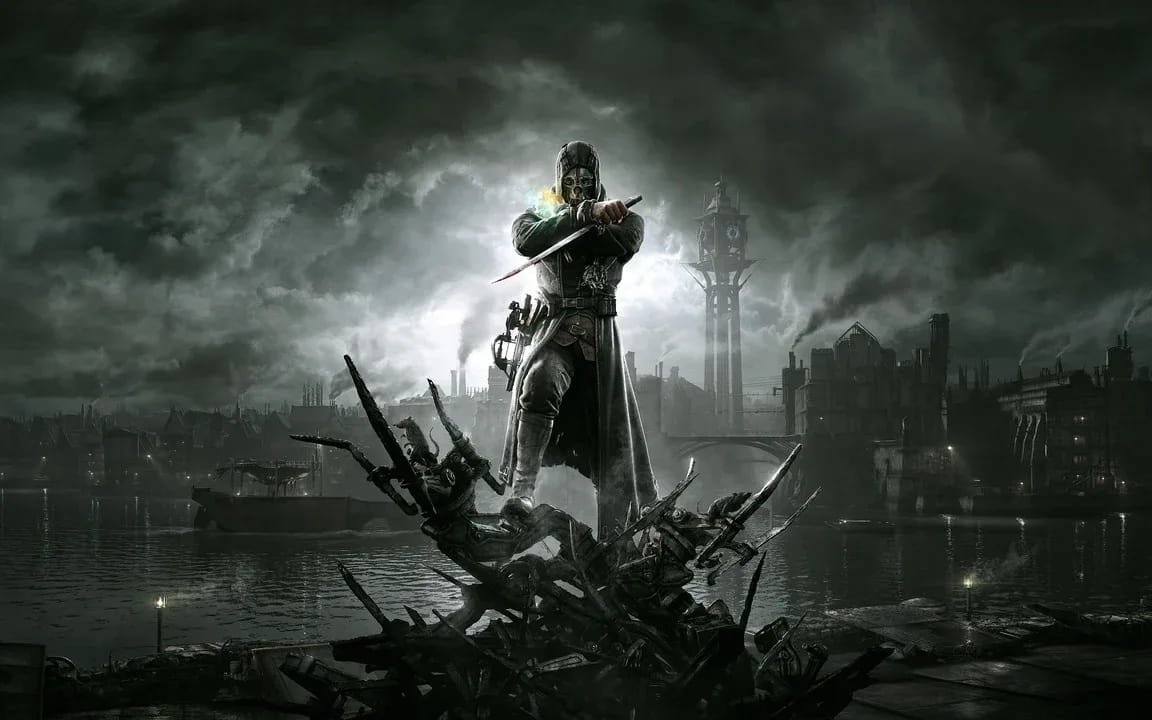
The story also shows how close some games come to never existing. Dishonored could have been replaced by Thief 4 or a Blade Runner adaptation. Either project may have been exciting, but Arkane’s original idea gave the studio something more valuable: ownership of its own world.
The wider Arkane story has changed since then. Smith stayed with Arkane Austin until its closure, while Colantonio later founded WolfEye Studios, which is now working on a new first person immersive sim. Arkane Lyon, meanwhile, is developing Marvel’s Blade.
Dishonored’s origin makes its success feel even more interesting. It was not the obvious safe choice. It came after licensed plans collapsed, when Bethesda decided to trust Arkane with a new property. That gamble produced one of the studio’s defining games and one of the clearest modern examples of why original worlds still matter.



Discussion (0)
Be the first to comment.