



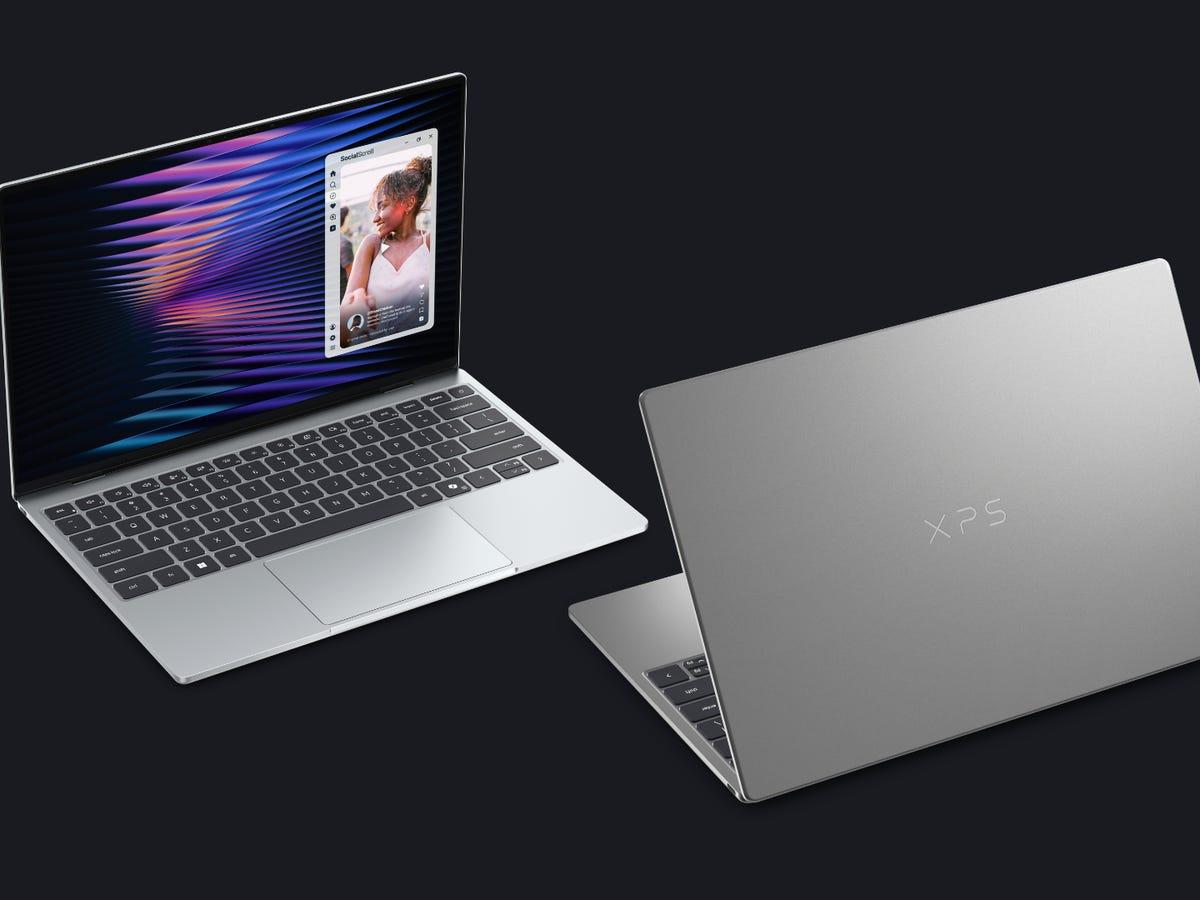
Dell has introduced a new XPS 13 that puts value back at the center of its premium laptop lineup. The new 13.4 inch machine starts at $599 for eligible students, making it a direct rival to Apple’s MacBook Neo while offering several features Apple left out, including a touchscreen, backlit keyboard, Wi Fi 7, and a brighter display.
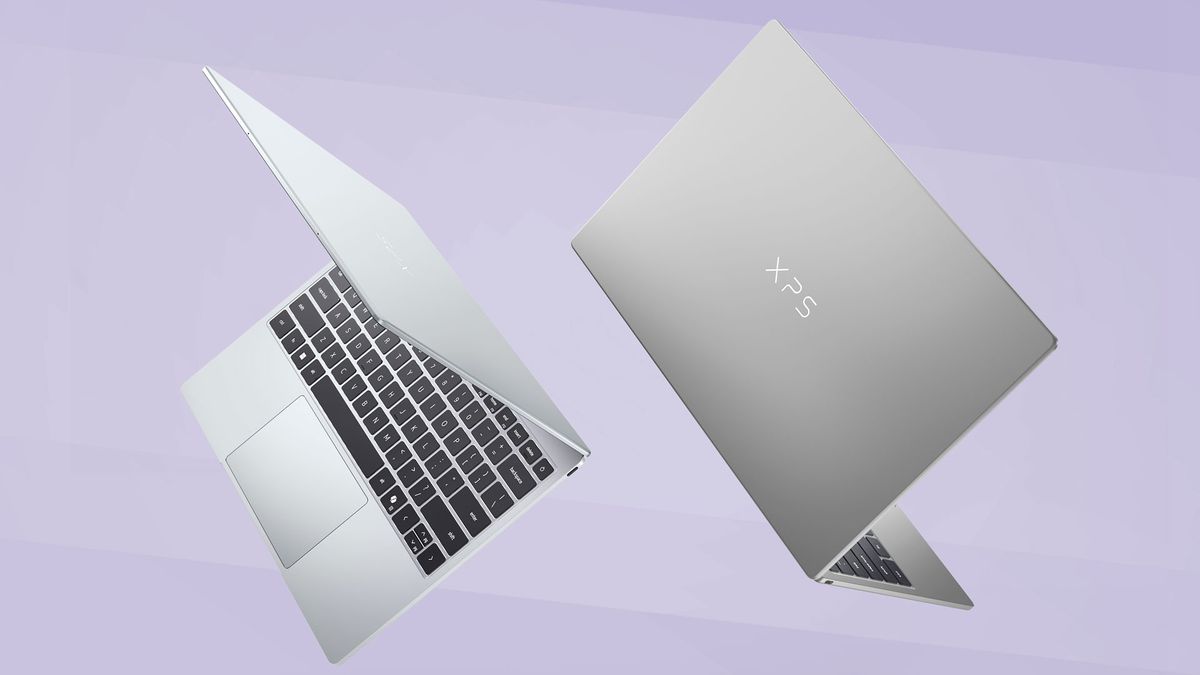
The XPS 13 is designed for students, everyday buyers, and people who want a slim laptop without paying flagship prices. Dell is using the look and feel of its higher end XPS designs, but placing it in a smaller and lighter body that weighs about 2.2 pounds in the base configuration. That keeps it under 1kg, making it the thinnest and lightest XPS laptop Dell has made.
The main comparison is with Apple’s MacBook Neo, which has been positioned as a lower cost MacBook for everyday use. Dell’s pitch is simple: the XPS 13 gives buyers more practical hardware for less money, at least for students who qualify for the $599 price. Everyone else will pay $699 for the base model.
The base XPS 13 uses Intel’s Core Series 3 Wildcat Lake processor, with 8GB of memory and 256GB of storage. Higher end versions will offer Intel Core Ultra Series 3 Panther Lake chips, up to 32GB of LPDDR5X memory, and up to 1TB of PCIe Gen 4 storage.
| Feature | Dell XPS 13 |
|---|---|
| Starting price | $599 for eligible students, $699 for others |
| Processor options | Intel Core Series 3 or Core Ultra Series 3 |
| Memory | 8GB to 32GB LPDDR5X |
| Storage | 256GB to 1TB PCIe Gen 4 SSD |
| Display | 13.4 inch 2.5K InfinityEdge touchscreen |
| Brightness | Up to 500 nits |
| Battery claim | Up to 17 hours of streaming |
| Weight | About 2.2 pounds |
| Colors | Sky and Storm |
The display is one of the strongest parts of the package. Dell is using a 13.4 inch 2.5K InfinityEdge touchscreen with a 2560 x 1600 resolution. It supports a variable refresh rate from 30Hz to 120Hz, which can help save battery during lighter tasks while keeping motion smoother when needed. It also supports DisplayHDR 400 and reaches up to 500 nits of brightness.
That gives the XPS 13 an advantage over many budget focused laptops that still use duller panels. For students and everyday buyers, a better display matters because it affects everything from writing papers and watching videos to video calls and reading.
Dell is also making the backlit keyboard standard. That may sound basic, but it matters because Apple skipped the feature on the MacBook Neo. A backlit keyboard is useful for late night work, classrooms, flights, dorm rooms, and dim home setups. It is one of those features people notice only when it is missing.
The laptop uses a CNC machined aluminum body, which should help it feel more premium than many low cost Windows machines. Dell is clearly trying to avoid the cheap laptop feel while still hitting an aggressive entry price.
Battery life is another major claim. Dell says the XPS 13 can reach up to 17 hours of streaming on its 52Wh battery. Real world results will depend on brightness, processor choice, workload, and wireless use, but the number suggests Dell wants this to be a proper all day laptop rather than a compact machine that constantly needs a charger.
The port selection includes two USB Type C ports with DisplayPort 2.1 and power delivery, dual Thunderbolt 4 ports, and a Kensington lock. Dell is also including a 65W USB C GaN charger in the box. For video calls, the laptop has a 1080p 2MP camera with IR support, dual array microphones, and a quad speaker setup with 8W total output.
The XPS 13 is not meant to be a gaming laptop or a workstation. Its integrated Intel graphics are designed for everyday tasks, streaming, schoolwork, browsing, office apps, and light creative work. Buyers who need heavy rendering, gaming, or AI workloads will need a stronger machine.
Still, Dell’s move is important because premium looking Windows laptops have often struggled to compete with Apple on value at the lower end. A $599 student price makes the XPS 13 much more aggressive, especially with a touchscreen, backlit keyboard, Wi Fi 7, and a brighter 2.5K display included as standard.
The new XPS 13 is expected to arrive in June 2026. If Dell can deliver strong battery life, good thermals, and a polished keyboard and trackpad experience, this could become one of the more compelling everyday Windows laptops of the year.



Discussion (0)
Be the first to comment.