



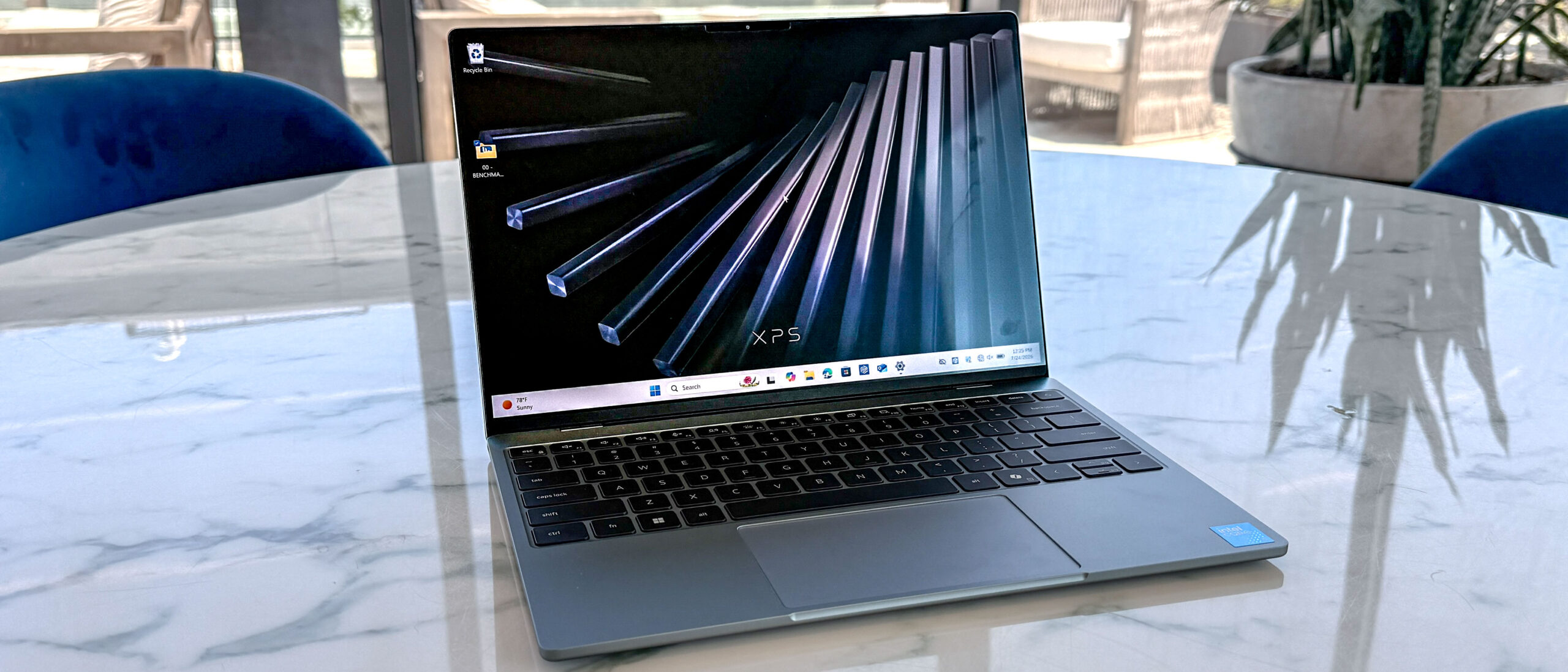
Dell's 2026 XPS 13 takes a different approach to affordable premium laptops by pairing Intel's lower power Wildcat Lake platform with the design and materials normally associated with the company's more expensive XPS systems.
The new model starts at $699 with an Intel Core 5 320 processor, 8GB of LPDDR5X memory, and 256GB of storage. Dell also offers a student discount that can bring the entry configuration down to $599.
The reviewed configuration keeps the same Core 5 320 processor but increases memory to 16GB and storage to 512GB, raising the regular price to $999. Dell has also introduced higher performance Core Ultra 7 versions that start at $1,399 and can reach $1,949 with 32GB of memory and 1TB of storage.
The XPS 13 is therefore available across a wide price range, but its most interesting versions are the lower cost Wildcat Lake configurations designed to compete in the mainstream ultraportable market.
Wildcat Lake keeps the entry price lower
The Core 5 320 used in the base XPS 13 is a six core processor built with two performance cores and four low power efficiency cores.
Intel's Wildcat Lake platform is aimed at systems where efficiency, battery life, and cost matter more than maximum multithreaded performance.
That tradeoff is reflected in the early assessment of the laptop. The machine receives praise for battery life, compact dimensions, build quality, and display quality, while multithreaded performance is described as more modest.
| Specification | Dell XPS 13 2026 |
|---|---|
| Starting price | $699 |
| Student starting price | $599 |
| Base processor | Intel Core 5 320 |
| CPU configuration | 6 cores, 2 P cores and 4 LPE cores |
| Base memory | 8GB LPDDR5X |
| Base storage | 256GB |
| Reviewed configuration | 16GB RAM, 512GB storage |
| Display | 13.4 inch IPS touchscreen |
| Resolution | 2.5K |
| Refresh rate | 30Hz to 120Hz |
| Peak brightness | Up to 500 nits |
| Battery | 52Wh |
| Weight | About 2.2 pounds |
| Thickness | About 0.5 inch |
| Wireless | WiFi 7, Bluetooth 6 |
More expensive Core Ultra 7 versions provide another option if you want additional CPU performance without moving to a different chassis.
Premium construction remains a major XPS strength
Dell has retained the premium materials that have long defined the XPS family.
The chassis uses CNC machined aluminum and is available in Sky and Storm finishes. Dell says as much as 75 percent of the aluminum is recycled or low emission material.
Inside the machine, the structural framework contains 50 percent post consumer recycled plastic, while the battery incorporates 50 percent recycled cobalt.
The result is a very compact system measuring around 11.7 inches wide, 7.9 inches deep, and only half an inch thick.
At approximately 2.2 pounds, the XPS 13 is particularly well suited to travel.
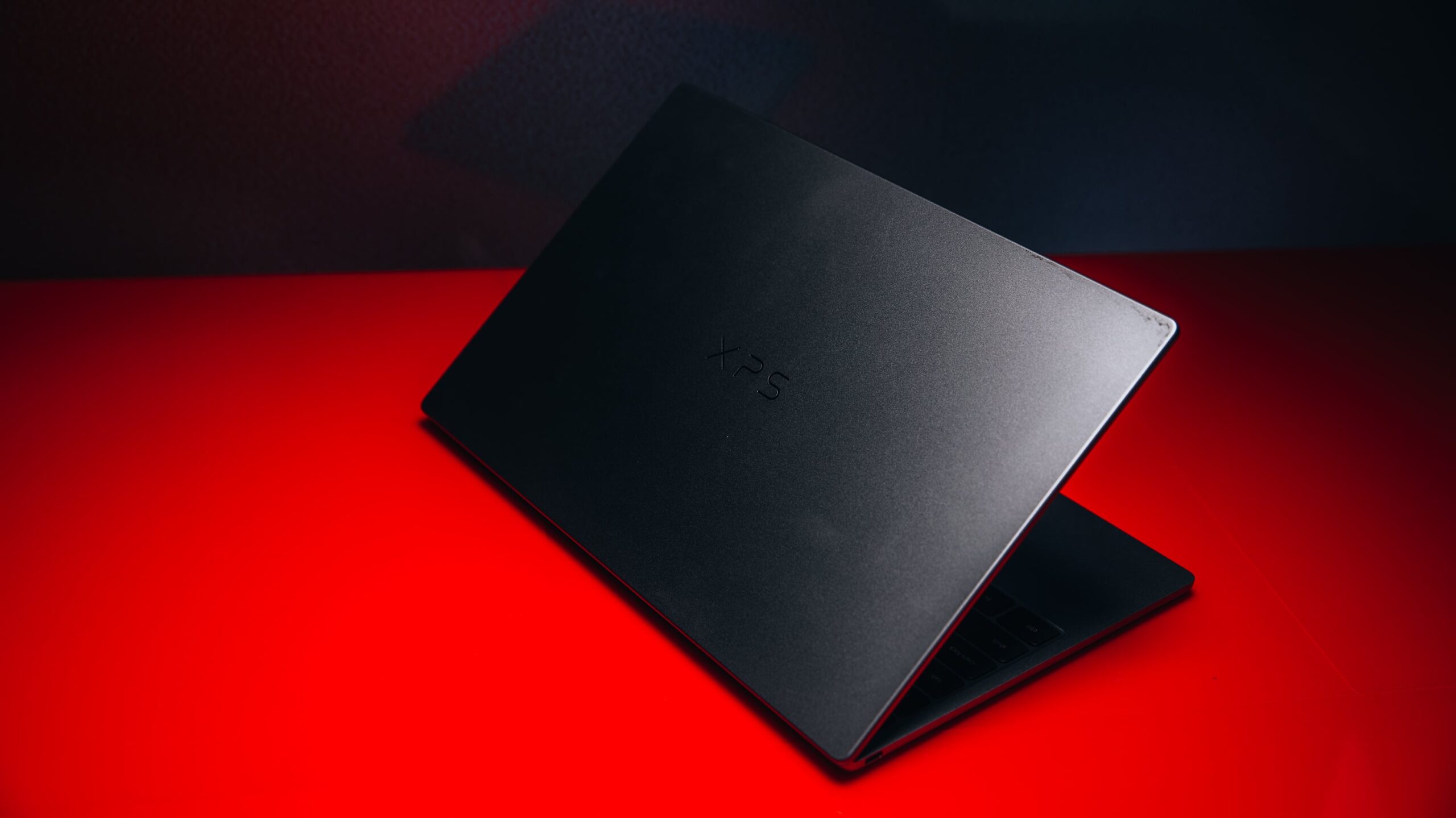
Its understated exterior uses a largely matte finish with a glossy XPS logo on the lid. The overall design gives the system a more expensive appearance than its $699 entry price might suggest.
The 2.5K IPS display is a strong feature
Every XPS 13 configuration described here comes with a 13.4 inch touchscreen using IPS technology.
The panel has a 2.5K resolution, supports refresh rates ranging from 30Hz to 120Hz, and can reach up to 500 nits of brightness.
Measured color accuracy was also very strong, with an average DeltaE below 0.1 in testing.
IPS technology cannot match the deep black levels and contrast of a modern OLED display, but the screen provides wide viewing angles and accurate colors.
For the lower priced Core Series 3 versions, the display is one of the laptop's strongest hardware features.
Dell also includes four speakers, dual microphones, and a 1080p webcam with Windows Hello support.
Keyboard and touchpad keep a conventional design
The keyboard uses backlit chiclet keys in a relatively spacious layout considering the small chassis.
Key travel is described as adequate, while slightly textured keycaps provide more grip during typing.
Dell has also retained physical function keys rather than using the touch based function row found on some previous XPS designs.
The touchpad is similarly conventional.
Instead of the hidden haptic design used by larger XPS models, the 13 inch machine uses a physical glass touchpad positioned inside the aluminum palm rest.
It supports multitouch gestures and showed reliable palm rejection and tracking during testing.
Port selection is very limited
Connectivity is one of the clearest compromises.
The XPS 13 has only two USB Type C ports, with one located on each side of the system. Both support charging, DisplayPort output, and USB 3.2 Gen 2 speeds of up to 10Gbps.
There are no built in USB Type A ports, HDMI output, SD card reader, or dedicated headphone jack mentioned in the provided specifications.
Wireless connectivity is much more modern, with WiFi 7 and Bluetooth 6 included.
The laptop therefore depends heavily on USB C adapters or docks if you regularly connect multiple peripherals.
Dell keeps the software installation relatively clean
The Windows installation contains the usual Microsoft software alongside two main Dell utilities.
Dell Optimizer currently provides only a limited selection of basic settings and system information.
Dell SupportAssist is considerably more useful. It handles driver and software updates, diagnostics, system checks, and basic cleanup functions.
Its performance optimization tools can remove temporary files, clear browser caches, and perform other routine maintenance tasks.
Based on the portion of the review provided, the 2026 XPS 13 is positioned primarily around portability, battery life, display quality, and premium construction rather than raw processor performance.
The benchmark pages referenced by the original review were not included in the supplied material, so detailed CPU, graphics, and battery test results are not available here. What is clear from the available information is that Dell has tried to preserve the XPS family's premium feel while using Intel's more affordable Wildcat Lake platform to reach a significantly lower starting price.


Discussion (0)
Be the first to comment.