



Dell’s strong AI server business is helping the company grow quickly, but rising memory prices could create a tougher stretch for its PC, server, and storage margins later this year and into early 2027. UBS has warned that the impact of higher DRAM and NAND costs may become more severe in the second half of 2026 and the first quarter of 2027, even though Dell has managed the pressure well so far.
The warning comes after Dell reported a very strong fiscal first quarter. Revenue reached $43.84 billion, while earnings came in at $4.86 per share. Net income rose to $3.44 billion, up from $965 million a year earlier. The biggest driver was AI server demand, with Dell’s AI server revenue reportedly rising 757 percent year over year.
That growth explains why UBS raised its price target for Dell shares from $243 to $440 and increased its earnings estimates for fiscal 2027 and fiscal 2028. But the bank also made it clear that the memory market remains a major risk.
AI demand is pushing memory costs higher across the hardware market
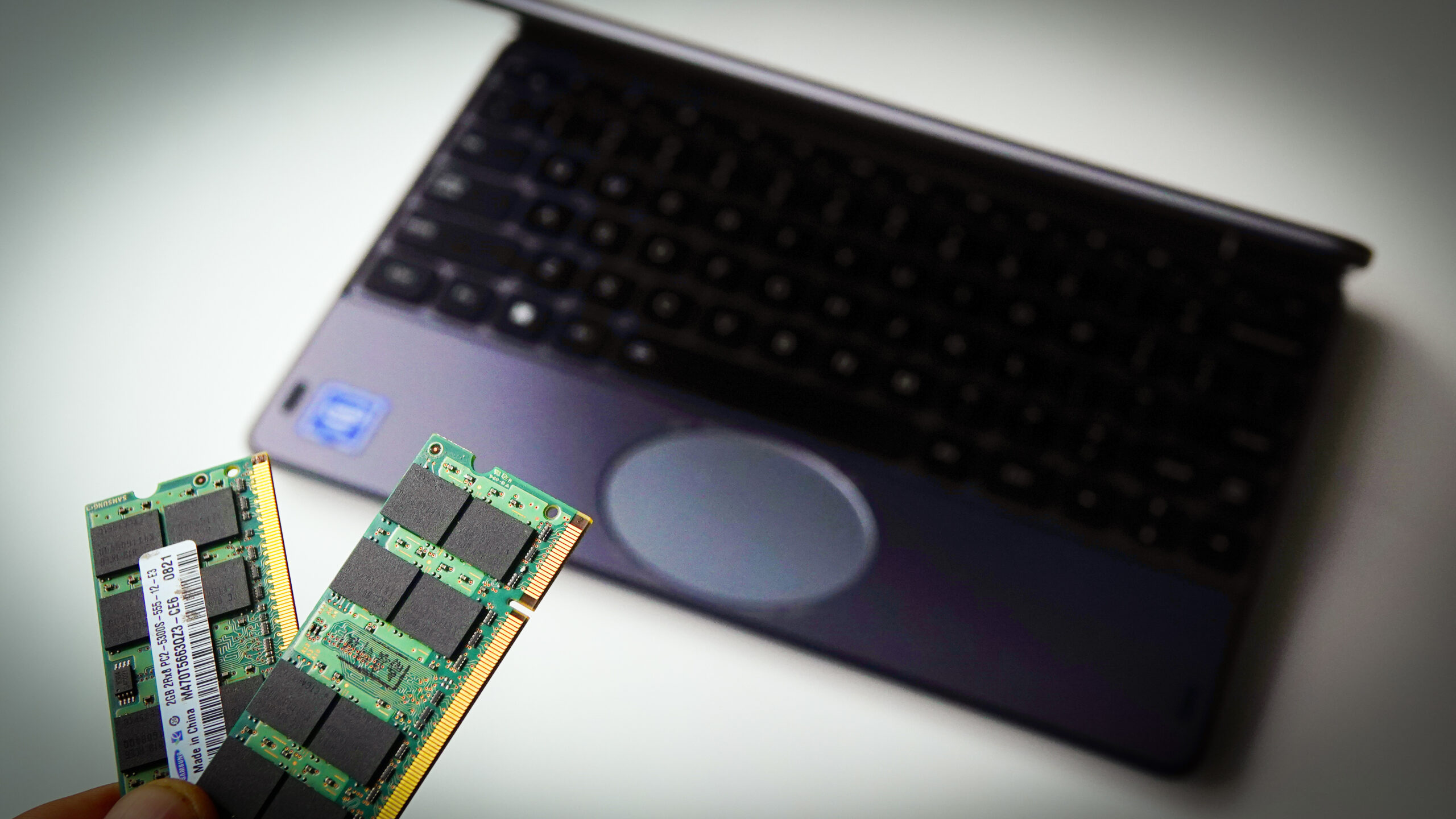
The issue is not limited to Dell. Demand for high bandwidth memory, DRAM, and NAND has surged because AI servers need enormous amounts of memory and storage. As chipmakers prioritize AI data centers and higher margin products, PC makers and server vendors are paying more to secure supply.
| Area | What is happening |
|---|---|
| AI servers | Demand is rising fast, helping Dell revenue |
| DRAM and NAND | Prices are climbing because supply is tight |
| PCs | Manufacturers are paying more for memory |
| Servers and storage | Margins may face more pressure |
| Timeline | UBS expects stronger impact from late 2026 into early 2027 |
Some regions have seen memory prices rise by as much as 414 percent, while PC manufacturers reportedly faced memory costs around 110 percent higher in the first quarter of 2026. Panic buying has also helped lift PC shipments this year, as companies and buyers try to secure hardware before prices rise further.
Dell has handled the situation better than many companies so far, according to UBS. But the bank believes higher component costs could still weigh more heavily on margins over the coming quarters. That matters because Dell’s business now depends on both fast growing AI servers and more traditional PC, server, and storage markets.
Dell chief operating officer Jeff Clarke also acknowledged the problem during the company’s earnings call. He said rising costs for NAND, DRAM, CPUs, fuel, and raw materials have forced the company to reprice products quickly. His comments suggest Dell does not expect the inflationary pressure to disappear soon.
For customers, this could mean higher prices for PCs, servers, and storage systems. For Dell, the challenge is balancing strong AI demand with the cost pressure hitting the hardware supply chain. AI servers may bring in huge revenue, but they also depend on the same memory market that is becoming more expensive for everyone.
The larger takeaway is clear. AI demand is reshaping the memory supply chain, and the effects are spreading beyond data centers. Dell is benefiting from the AI boom, but it is also exposed to the same component price spikes that the boom has created. If memory costs stay high into early 2027, Dell’s growth story may remain strong, but its margins could become harder to protect.



Discussion (0)
Be the first to comment.