



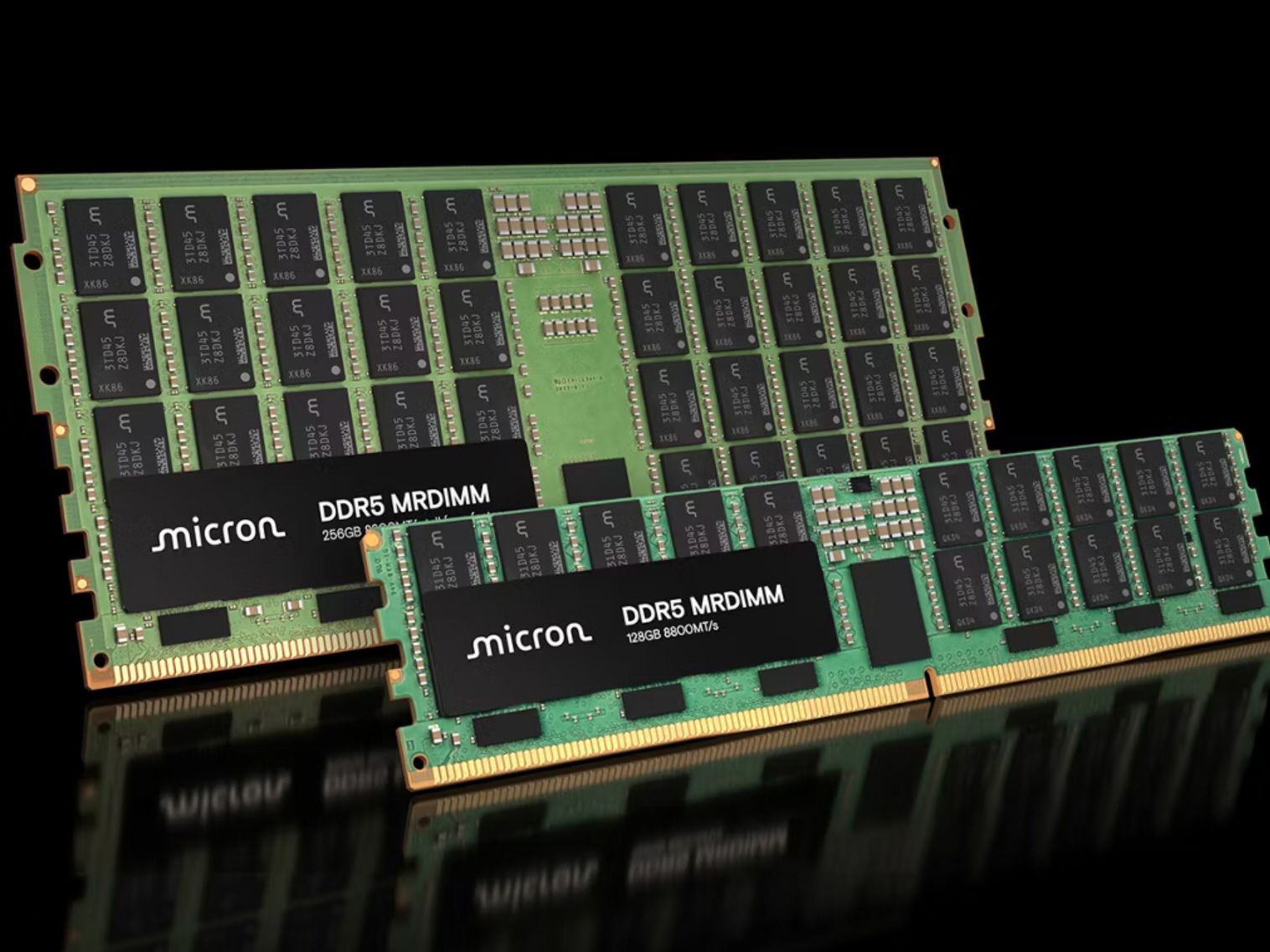
Buying RAM for a new PC or an upgrade has become much more expensive in 2026, with DDR5 kits in particular reaching prices that would have seemed unrealistic only months ago. A standard 32GB DDR5 kit that could previously be found for around $100 to $200 is now starting near $350 in many cases, while higher capacity kits have climbed into the hundreds or even thousands of dollars.
DDR4 is also getting more expensive, although it remains a less costly option for people with older systems. The wider problem is limited memory supply, growing data center demand, and manufacturers directing more production toward high margin AI memory instead of mainstream consumer DRAM.
For anyone building a PC now, RAM is no longer a small part of the budget. It can change which processor, motherboard, or capacity tier makes sense for your build.
DDR5 Kits Have Reached Unusually High Prices
The increase is especially severe for DDR5 memory. Higher capacity kits are harder to find and often carry large premiums, while even basic 16GB and 32GB options cost much more than their previous lowest prices.
The difference becomes clearer when current prices are compared with earlier deals. Some kits that once sold at accessible prices are now several times more expensive, even when their speed and specifications have not changed.
| Memory kit | Current lowest listed price | Previous lowest listed price |
|---|---|---|
| 16GB DDR5 5200 | $259 | $65 |
| 32GB DDR5 6000 | $439 | $87 |
| 48GB DDR5 6000 | $662 | $144 |
| 64GB DDR5 6000 | $929 | $199 |
| 96GB DDR5 6000 | $1,255 | $199 |
| 128GB DDR5 6400 | $1,782 | $329 |
The biggest issue is not only the price. Good deals can disappear quickly, making it difficult for buyers to wait for a sale and plan a build around it.
DDR4 Is Cheaper, But It Is Not Immune to the Shortage
DDR4 systems may look more attractive because compatible memory remains easier to find than many DDR5 kits. However, prices have also increased sharply over recent months.
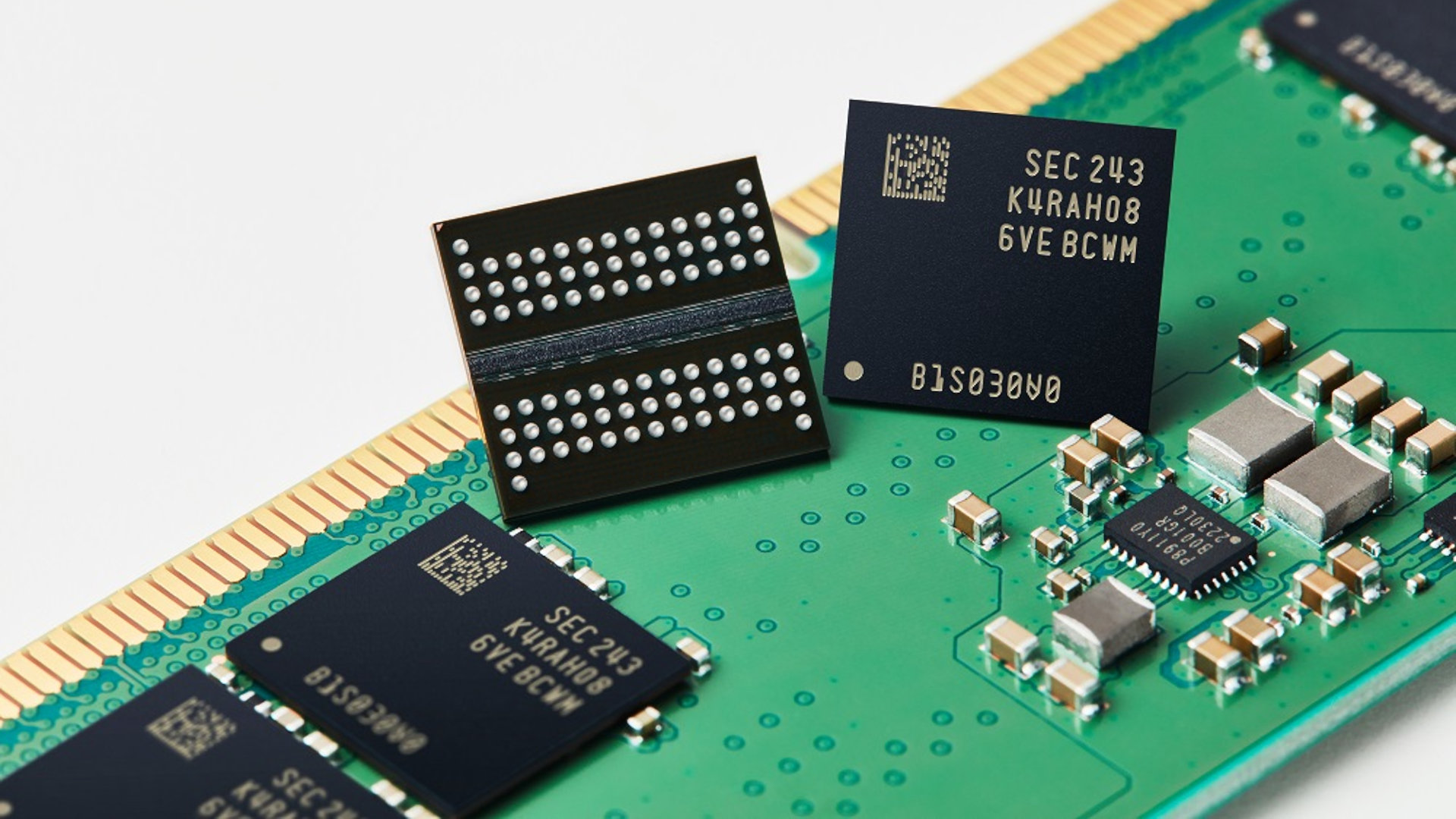
A 32GB DDR4 kit that once commonly sold for around $60 to $90 can now cost far more. Some DDR4 buyers are also facing a difficult decision because building a completely new DDR4 PC may not make sense when current processors and motherboards are moving toward DDR5.
Still, DDR4 can be a practical upgrade for someone extending the life of an existing PC. Adding more memory to a working system may be more sensible than replacing a motherboard, CPU, and RAM all at once.
What PC Builders Should Do During the RAM Shortage
The best approach is to avoid buying more memory than you realistically need. For many gaming PCs, 32GB remains a sensible target, while 16GB can still work for lighter use. High capacity kits are useful for video editing, large creative projects, local AI work, virtual machines, and professional workloads, but they carry the largest price penalties.
Check prices across several retailers before buying, and consider CPU or motherboard bundles when they include memory at a lower effective cost. Be careful with unfamiliar marketplace listings, as shortages can attract scalpers and counterfeit products.
Memory prices are changing quickly as supply remains tight.
For now, the RAM market rewards patience, careful comparison, and realistic capacity planning. Buying a well priced kit when one appears may be safer than assuming it will remain available at the same price next week.



Discussion (0)
Be the first to comment.