



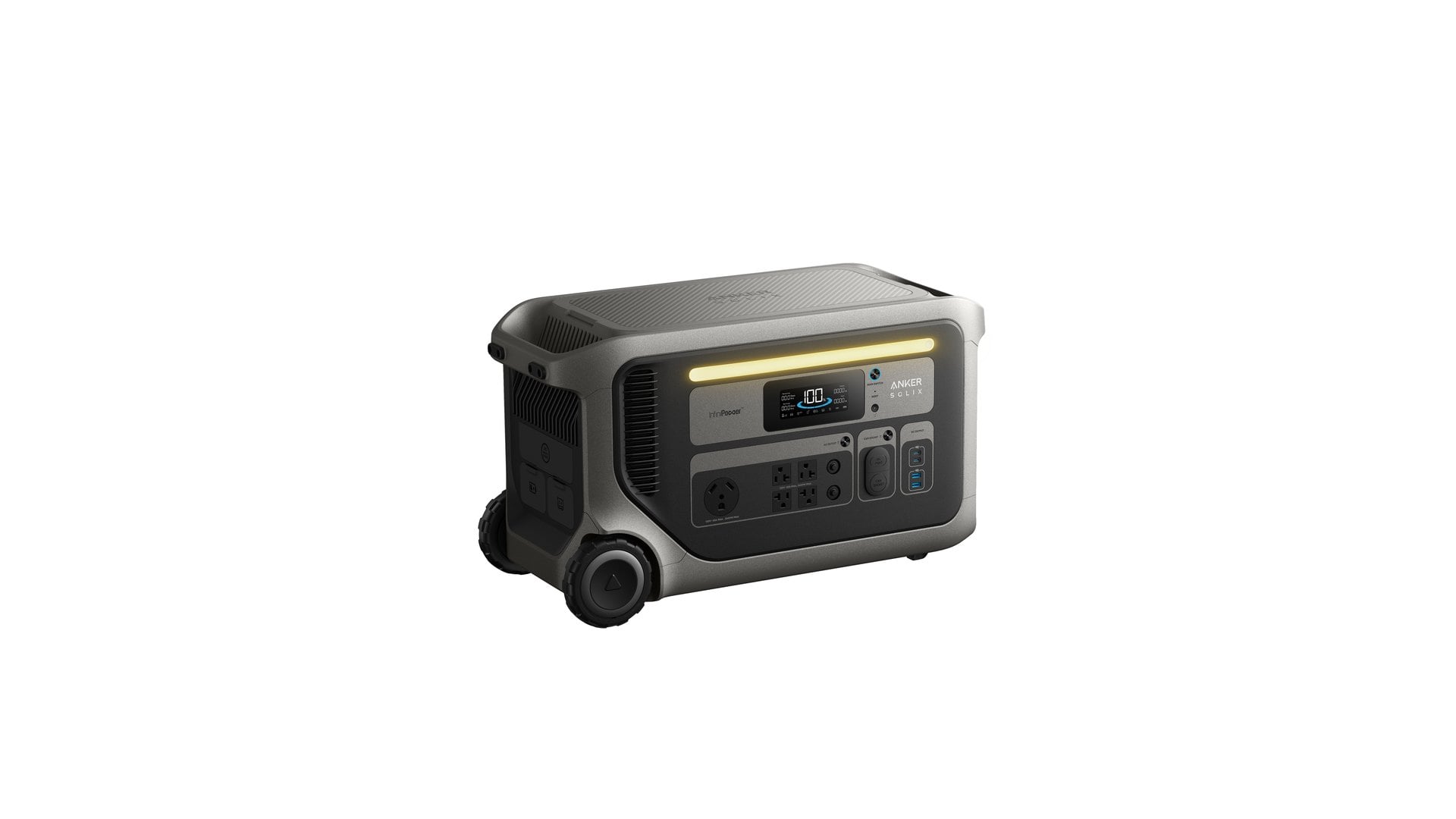
A portable power station is usually bought once, often right after a long outage. Black Friday makes the timing look ideal: EcoFlow shows its DELTA 3 Ultra Plus at $1,599 next to a crossed-out $2,199, a $600 saving on paper. On October 15, the same EcoFlow page charged the same $1,599.
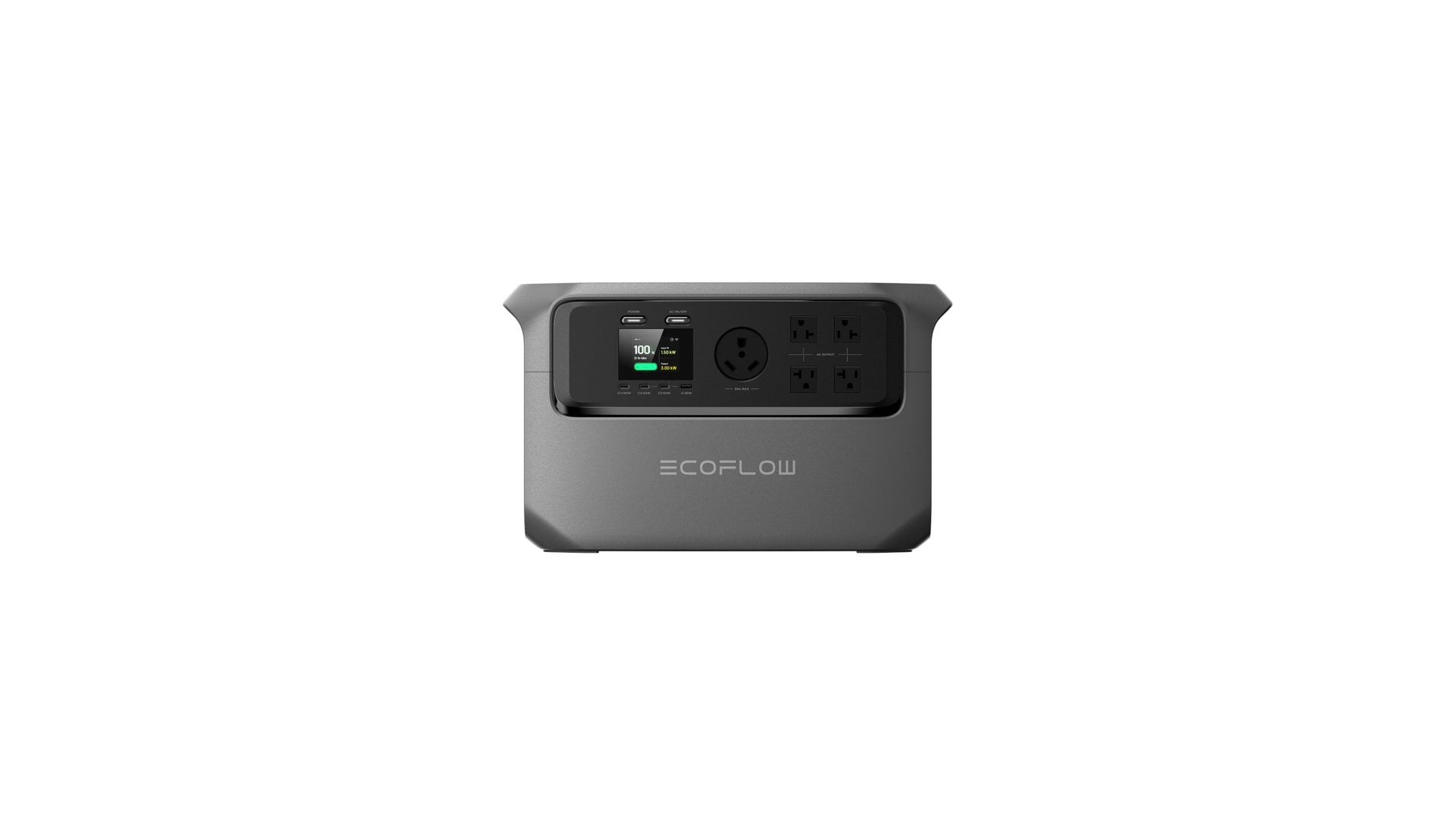
That gap runs through the Black Friday prices at EcoFlow, Anker SOLIX and Jackery as of November 23. Eight models were checked against archived copies of each maker's own US store. Six of them show $2,000 in crossed-out or coupon savings between them, yet none is cheaper than a few weeks ago, and four cost a combined $450 more.
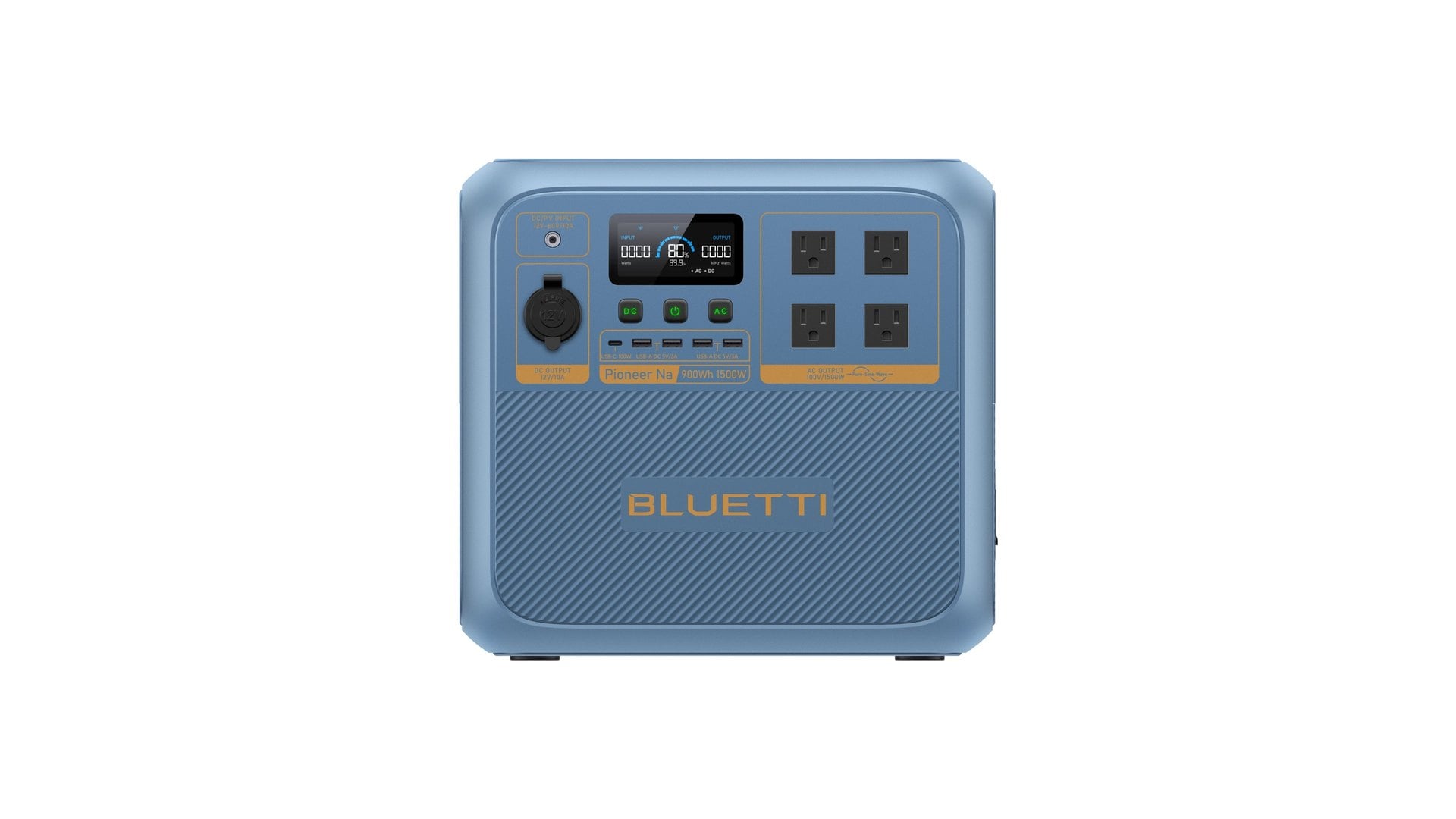
The real drops are few, and they come from Bluetti. Its sodium-ion Pioneer Na costs $700, which is $199 below its October 31 price. Two smaller Elite mini models are about $50 cheaper than they were a few weeks earlier.
Why power station Black Friday discounts can look bigger than they are
A crossed-out price is a reference the store chooses. Shopify stores such as EcoFlow, Jackery and Bluetti call it a "compare at" price. Anker SOLIX shows a full price and applies a store code automatically, so the saving appears as a coupon instead.
Neither figure says when the product last sold at the higher number, which is why a crossed-out price is often a price nobody charges. On a power station, the stakes are higher than on a keyboard. Reference prices run to four figures, so a $400 or $600 "saving" can decide the purchase. The dependable test is what the same store charged in October.
Anker SOLIX F3000 and Jackery Explorer prices are higher than in October
The Anker SOLIX F3000 is the largest case. Anker's store shows it at $1,899.99 and applies a $200 code, for $1,699.99 during its Black Friday Pre-Sale, which runs from November 19 to 26. On October 20, the same F3000 listing carried a $400 code instead and sold for $1,499.99, in stock.
So the Black Friday price is $200 higher than the October one. The F3000 supports 3,600W pass-through charging, which keeps devices running while the station itself recharges.
Jackery's v2 models moved the same way. The Explorer 1500 v2, a 1,536Wh unit with 2,000W of AC output, now costs $949. Jackery charged $849 for it on October 27 and again on November 11, so the price is $100 higher.
The 2,042Wh Explorer 2000 v2 costs $999, up from $899 on October 19 and October 27. It was in stock at $899 in October. At $999, it is a pre-order that Jackery says ships by December 14.
EcoFlow DELTA strikethroughs on prices unchanged since October
EcoFlow's crossed-out prices are the largest in this group, and three of them sit on prices that have not moved in weeks. The 3,072Wh DELTA 3 Ultra Plus was $1,599 against the same $2,199 on October 15 and November 2, exactly as it is now.
The 2,048Wh DELTA 3 Max Plus costs $1,149 against $1,599, the same pair of numbers EcoFlow's page showed on October 11 and November 11. The DELTA 2 Max costs $1,029 against $1,299, matching its price on October 7 and November 18.
The smaller DELTA 3 Plus goes the other way. It costs $719 with $799 struck through, an $80 cut on paper. On October 5, EcoFlow sold it for $669 as a pre-order shipping in November, so the Black Friday price is $50 higher.
None of these is a poor price for the capacity. They are the prices EcoFlow has charged since at least mid-October, so the Black Friday banner adds no deadline.
EcoFlow DELTA 3000 Gen4 early-bird price is a pre-order launch offer
The DELTA 3000 Gen4 shows the boldest cut at $1,299 against $1,699, or $400 off. It is a new model, and EcoFlow's promotion terms set its early-bird period from November 4 to December 7.
On November 12, the product page called $1,299 a "Web-Only Price" and said the unit "Ships in Early December". That makes $1,299 a pre-order launch price, the same one the page showed then, rather than a markdown from a price buyers actually paid.
The 3kWh station is rated for 3,600W of continuous output. For a pre-order buyer, the more useful promise is EcoFlow's 60-day price protection on its own store, which covers a lower price for the identical product within 60 days.
Bluetti Pioneer Na and Elite mini models are the real Black Friday drops
The Bluetti Pioneer Na is the one clean, sizeable cut. The 900Wh sodium-ion station with 1,500W of output costs $700 and is in stock, with $899 struck through. Bluetti's page charged $899 with no discount on October 31, and $799 during a sale on September 25.
Two smaller units dropped as well. The Elite 100 mini, rated at 1,004Wh and 700W, costs $379, or $50 under the $429 it sold for on November 8. The 288Wh Elite 30 mini costs $199, which is $50.99 under its October 29 price, when it was still a pre-order.
If a roughly 1kWh station covers your outage plan, the Pioneer Na is the only discount here that is both real and large. The Elite 30 mini is the cheaper pick for phones, laptops and lights on a camping trip.
If you need 2kWh or more, the EcoFlow and Jackery prices are what those stores have charged for weeks, so buy when you need one. For the F3000 or the Explorer 1500 v2, waiting to see whether October prices return costs nothing.
How to check a portable power station deal before you buy
Paste the product page address into the Internet Archive's Wayback Machine and open a copy from October. Compare the bare unit with the bare unit, because power station pages mix solar-panel and battery bundles at very different prices.
Then check two details the price tag hides. Look for "pre-order" or "ships by" near the button, since a launch price on a unit that ships in December is not a markdown. On Anker's store, read the code line, because the discount sits in an automatic coupon. The same check works on other Black Friday discounts that are smaller than they look.
Prices here are as of November 23 and can change before Black Friday sales end around Cyber Monday on November 30. The crossed-out number shows what a store wants you to compare against. The store's own October price shows what actually changed.

Discussion (0)
Be the first to comment.