



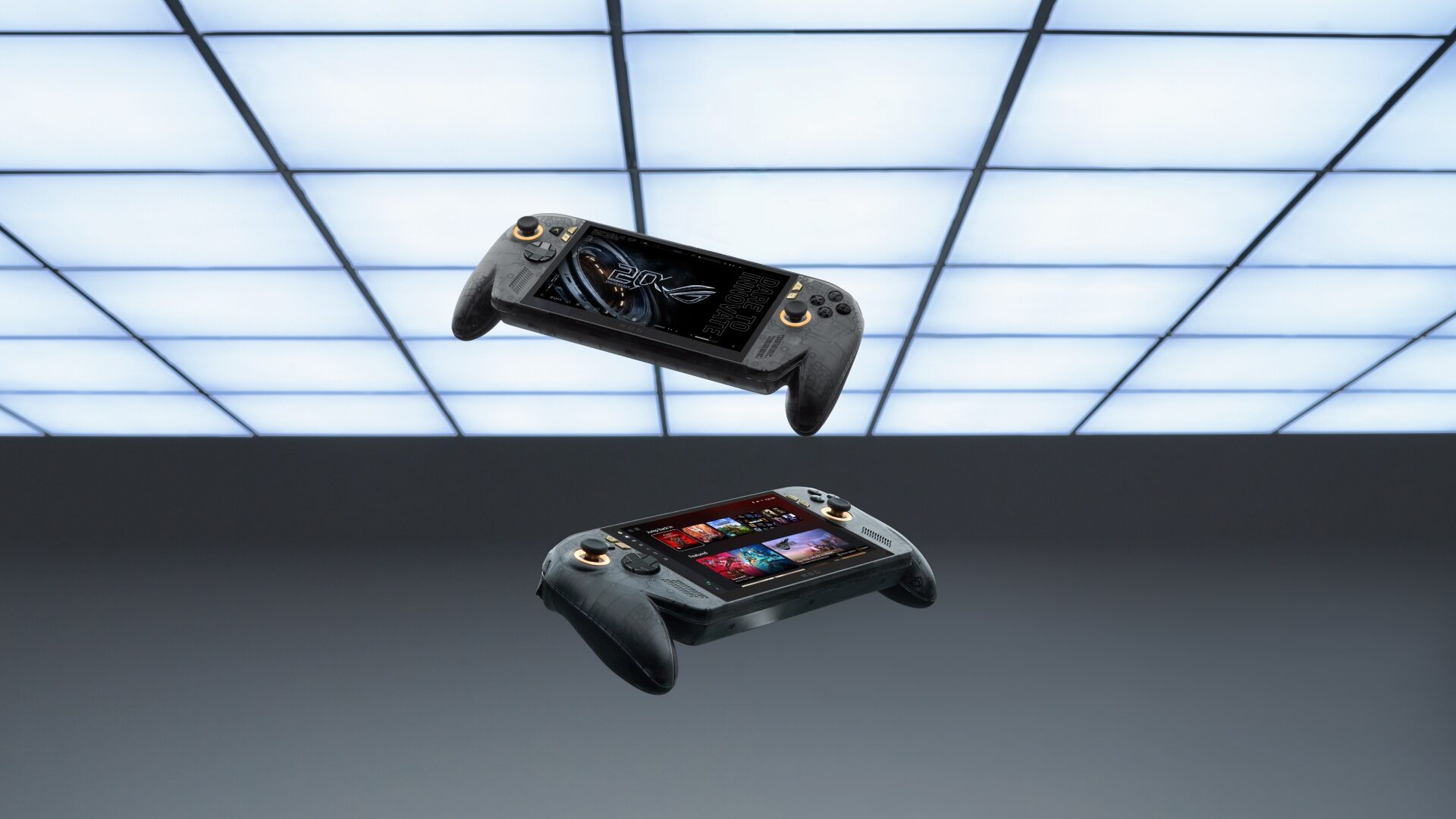
Asus has announced the ROG Xbox Ally X20, a new version of its Windows gaming handheld made to celebrate the 20th anniversary of the ROG brand. The device keeps Microsoft’s Xbox branding, but brings several hardware upgrades, including a brighter OLED display, redesigned controls, improved joysticks, and a translucent body.
The biggest change is the screen. Asus is moving to a 7.4 inch OLED panel with a 120Hz refresh rate. The display is rated for up to 1,400 nits of peak brightness and supports FreeSync Premium Pro, Dolby Vision, and VESA DisplayHDR 1000. It also has a claimed 0.2ms response time, which should help make motion feel sharper in fast games.
Asus is also using an anti reflective coating that is said to cut glare by 65 percent. That could be useful for a handheld, since these devices are often used in bright rooms, travel settings, or places where lighting is harder to control.
The ROG Xbox Ally X20 also introduces a new Transforming D Pad. In normal use, it works like a traditional four way D Pad. But by lifting and twisting it, players can switch to an eight way layout, which should be more useful for fighting games, arcade titles, and older games that depend heavily on diagonal inputs.
The joysticks are getting a major upgrade as well. Asus is using TMR sticks, short for Tunneling Magnetoresistance. This technology is designed to reduce stick drift while improving input accuracy and power efficiency compared with older magnetic stick designs such as Hall effect controls.
| Feature | ROG Xbox Ally X20 upgrade |
|---|---|
| Display | 7.4 inch OLED, 120Hz |
| Peak brightness | Up to 1,400 nits |
| HDR support | Dolby Vision and VESA DisplayHDR 1000 |
| D Pad | Transforming four way and eight way design |
| Joysticks | TMR sticks for better accuracy and reduced drift |
| Processor | AMD Ryzen AI Z2 Extreme |
| Memory | 24GB LPDDR5X |
| Storage | 1TB PCIe 4.0 NVMe |
| Launch window | Holiday 2026 |
| Price | Not announced |
The design has changed too. Asus has adjusted the button placement, added a rubberized back for better grip, and included a green Xbox button to match the Microsoft partnership. The handheld also uses a translucent plastic shell, showing off gold accented internals and giving the device a more limited edition look.
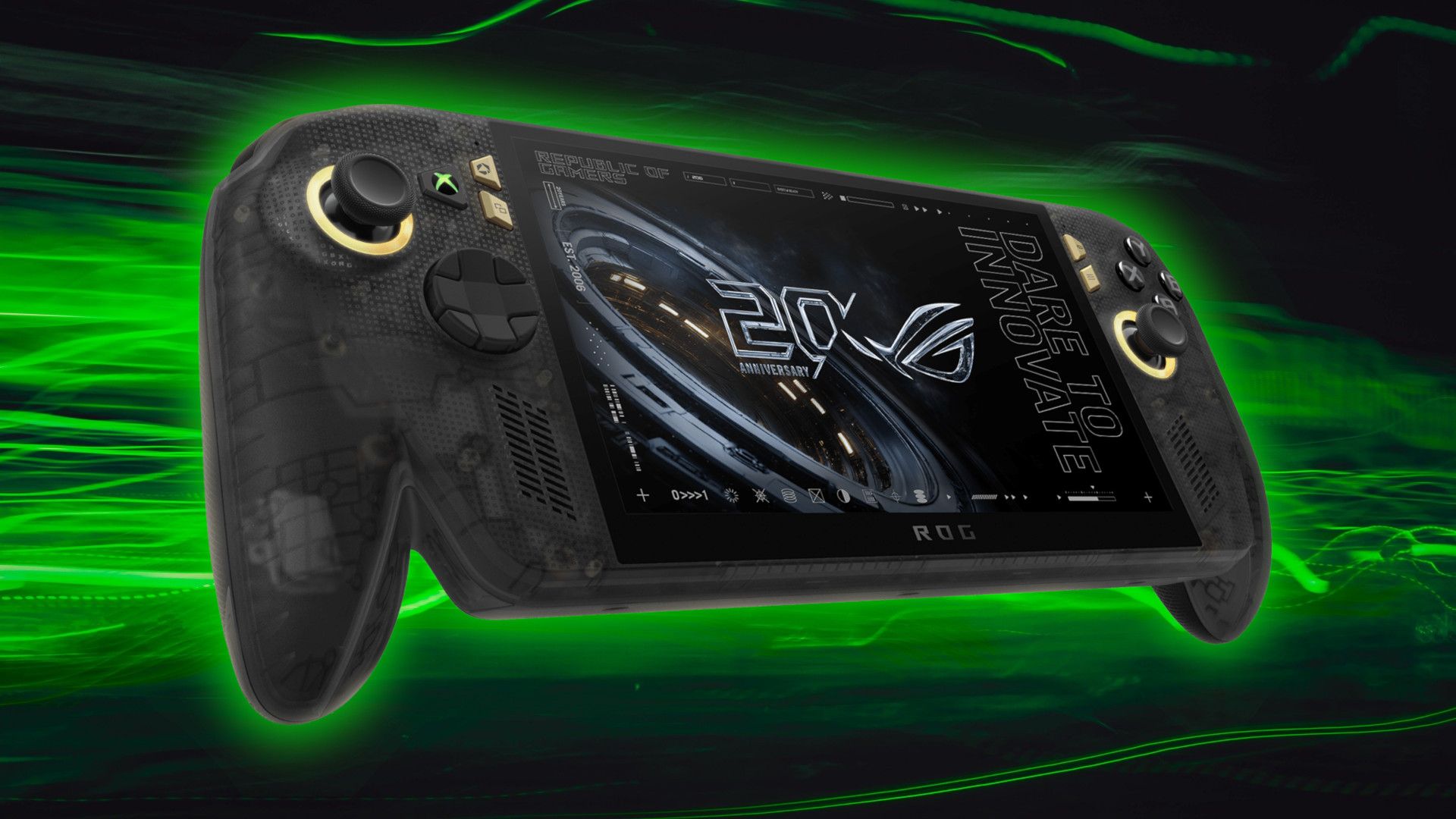
The internal chip, however, is not changing from the previous model. The ROG Xbox Ally X20 still uses AMD’s Ryzen AI Z2 Extreme processor, paired with 24GB of LPDDR5X memory and 1TB of PCIe 4.0 NVMe storage. That means the biggest improvements are focused on the display, controls, feel, and design rather than raw processing power.
That is not necessarily a bad approach. Handheld gaming PCs are already powerful enough for many modern games when settings are tuned carefully, but screens and controls can make a large difference in daily use. A brighter OLED panel, better sticks, and a more flexible D Pad may improve the experience more than a small processor bump would.
The Xbox branding also remains important. Microsoft has been working to make Windows handhelds feel more like part of the Xbox ecosystem, and the Ally X20 continues that partnership. A dedicated Xbox button and console style identity could make the device feel less like a small PC and more like a true Xbox handheld, even though it still runs Windows.
Price is the main missing detail. Asus has not announced how much the ROG Xbox Ally X20 will cost, and that will decide how strong its appeal is. Premium OLED screens, custom controls, and anniversary styling could push the price higher than standard handhelds.
For now, the ROG Xbox Ally X20 looks like a polished upgrade rather than a full generational jump. It keeps the same core AMD chip, but adds a much better display, more serious controls, and a design that stands out. If Asus keeps the price reasonable, it could become one of the more attractive Windows gaming handhelds of the holiday season.



Discussion (0)
Be the first to comment.