




ASUS is preparing a new round of BIOS updates for its AM5 motherboards, with the latest builds aimed at improving memory latency and tuning on DDR5 modules based on CXMT chips.
The updates are being developed for a wide range of AMD 600 and 800 series motherboards, including X870, B850, X670 and B650 models. Beta versions are already available for several boards, while broader support is expected to arrive through additional releases.
The new BIOS builds are based on AMD AGESA ComboAM5 PI 1.3.0.1d and focus specifically on tighter memory behavior for CXMT based DDR5 kits.
New BIOS targets memory training and subtimings
ASUS had already introduced CXMT related memory support and stability improvements through earlier BIOS releases.
The newer update goes further by adding what the company describes as optimized low latency support.
ASUS has not yet published detailed benchmark figures, so the exact performance improvement remains unknown. The tuning is expected to involve memory training behavior and adjustments to subtimings, both of which can influence latency and overall memory responsiveness.
| Detail | Information |
|---|---|
| Platform | AMD AM5 |
| Motherboard families | X870, B850, X670, B650 |
| BIOS base | AGESA ComboAM5 PI 1.3.0.1d |
| Memory focus | CXMT based DDR5 |
| Main improvement | Optimized low latency tuning |
| Current status | Beta BIOS available on selected boards |
| Wider rollout | Expected through future releases |
Lower memory latency can help improve performance in workloads that depend heavily on memory access, although the real effect will vary depending on the CPU, DDR5 kit, memory frequency and timings.
For Ryzen systems in particular, memory tuning can influence gaming and productivity performance when the processor is sensitive to memory latency.
CXMT DDR5 has already reached high speeds on AM5
CXMT based DDR5 modules have gained more attention recently as motherboard makers improve compatibility and tuning support.
Several AM5 systems have already demonstrated memory speeds above 8,000 MT/s using CXMT chips.
Some configurations have reportedly reached around 9,000 MT/s on X870E motherboards, showing that the memory can operate at very high transfer rates when paired with suitable hardware and BIOS tuning.
ASUS is not the only motherboard manufacturer working on this area. Other vendors have also introduced BIOS updates designed to improve CXMT memory support on AMD platforms.
The broader trend suggests that CXMT based DDR5 is becoming a more established option rather than remaining limited to a small number of memory products.
Low latency tuning may matter more than headline speed
Very high memory frequency does not automatically guarantee better real world performance.
Latency, subtimings and memory controller behavior can be just as important, particularly in workloads where data access delays affect CPU performance.
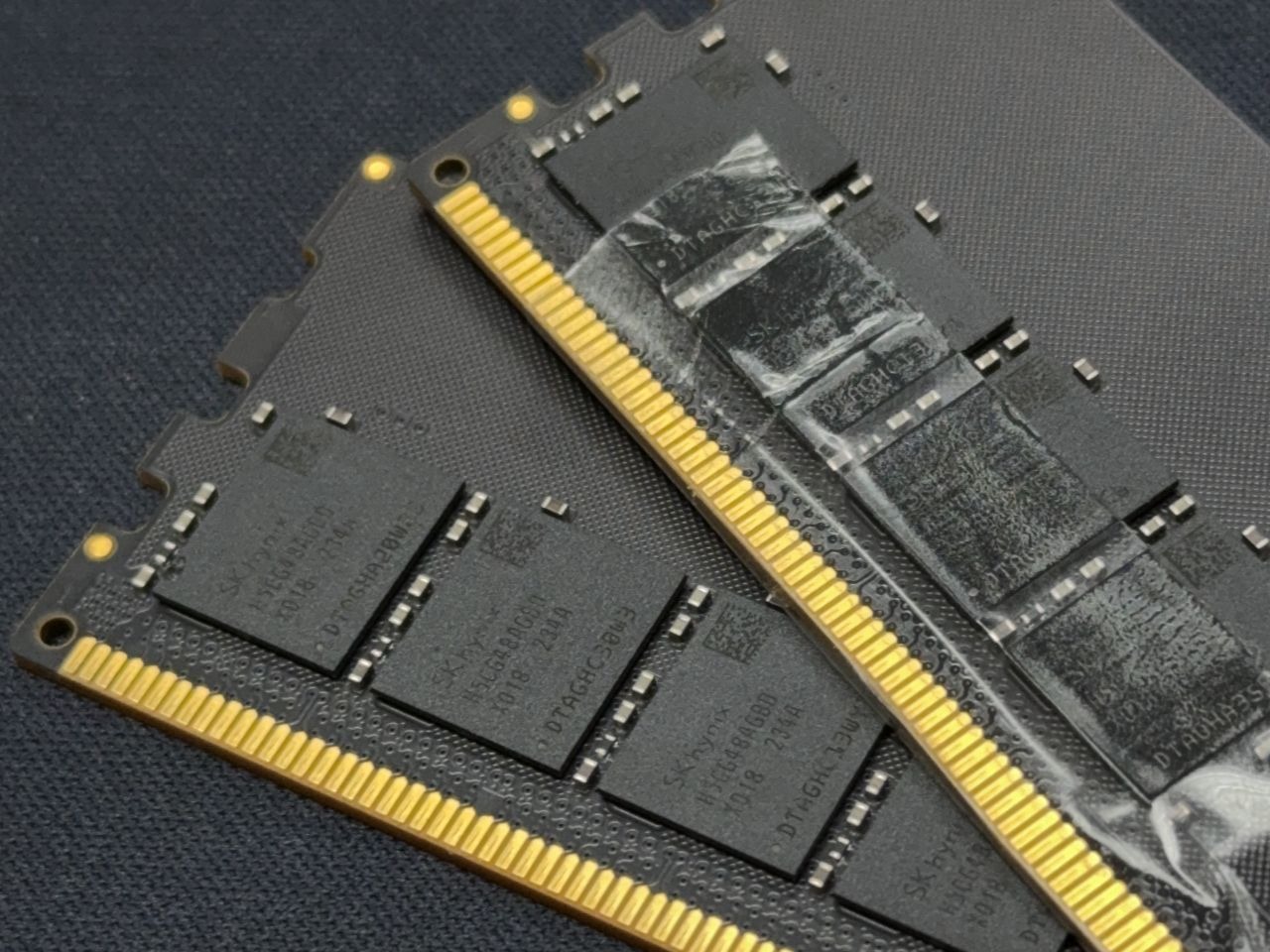
That is why ASUS appears to be focusing on low latency optimization rather than simply increasing the maximum supported DDR5 frequency.
Tighter timings can help improve memory response even when the advertised MT/s figure remains unchanged.
The new BIOS could therefore benefit owners of compatible CXMT based kits who already have stable memory speeds but want better latency characteristics.
Because the current releases are beta versions, caution is still advisable. Beta BIOS updates can introduce unexpected compatibility or stability issues, especially on systems with manually tuned memory settings.
ASUS is expected to expand availability as testing continues. Once the final BIOS versions arrive, more detailed performance testing should show how much the optimized CXMT tuning improves latency and whether those gains translate into measurable gaming or application performance.


Discussion (0)
Be the first to comment.