



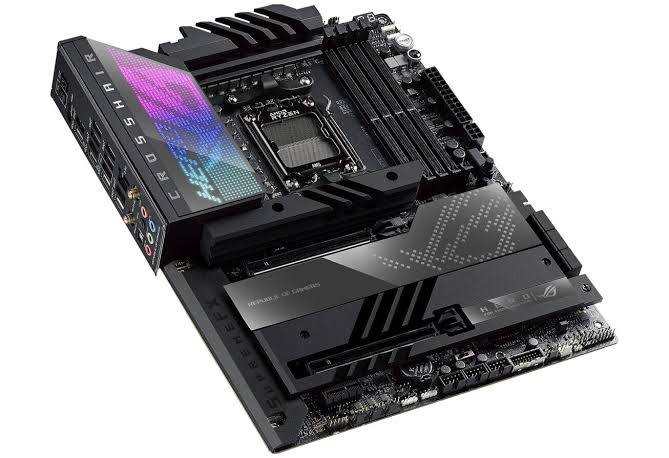
ASUS has released a new beta BIOS for several AMD 600 and 800 series motherboards, adding broader support and improved stability for DDR5 memory modules built with CXMT chips.
The update is currently available for selected X670 and X870 models. ASUS says the BIOS improves memory performance, system stability, and compatibility with CXMT based DDR5 kits.
Support has not yet reached the company’s B650 and B850 motherboards, although more models could receive similar updates later.
The release reflects the growing presence of CXMT memory in the PC market. Modules based on the company’s chips were previously associated with more modest speeds, but motherboard vendors have recently demonstrated much higher data rates through BIOS tuning and platform optimization.
CXMT DDR5 has moved beyond its earlier 6000 MT/s limit
CXMT based DDR5 memory was once commonly limited to around 6000 MT/s. Recent testing from several motherboard companies has shown that newer modules can operate above 8000 MT/s under the right conditions.
ASUS has already demonstrated CXMT memory reaching 8400 MT/s on a B850 motherboard. MSI and Colorful have also pushed similar modules beyond 8000 MT/s on their own platforms.
These results do not mean every CXMT kit will reach the same speed. Memory overclocking depends on the motherboard, processor memory controller, BIOS version, module quality, timings, voltage, and cooling.
Even so, the progress suggests that CXMT is becoming more competitive with established suppliers in the high speed DDR5 market.
| BIOS update detail | Current status |
|---|---|
| Motherboard families | AMD 600 and 800 series |
| Confirmed chipsets | Selected X670 and X870 boards |
| B650 support | Not available yet |
| B850 support | Not available yet |
| Main improvement | Better CXMT memory compatibility |
| Other changes | Improved stability and memory performance |
| Release type | Beta BIOS |
| Regional availability | Global |
The update is available globally despite limited CXMT retail availability
CXMT memory remains more common in mainland China, but the BIOS update is not restricted to that market.
ASUS has released it globally, which means supported motherboards sold in other regions should also be able to recognize and run compatible CXMT based modules.
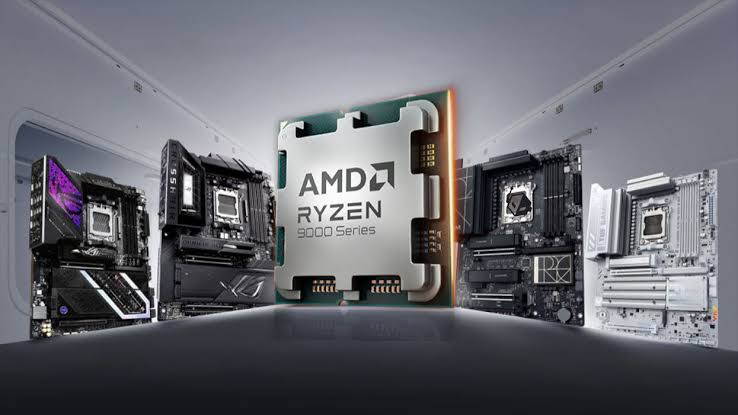
This may become more useful if memory manufacturers begin selling more CXMT products internationally. PC companies are already testing the chips, while motherboard vendors are expanding support across both AMD and Intel platforms.
A global BIOS release also simplifies ASUS development. The company can maintain one firmware branch rather than creating separate versions for different regions.
Beta BIOS users should consider the usual risks
Because this is a beta release, it may not be as thoroughly tested as a final BIOS.
Installing it may improve memory compatibility, but it can also introduce unexpected bugs, changes to settings, or instability on systems that were already working correctly.
Owners who do not use CXMT memory and have no existing problems may prefer to wait for a stable version. Anyone who installs the update should record current BIOS settings first, since firmware updates can reset memory profiles, fan curves, boot settings, and processor adjustments.
It is also important to use the correct BIOS for the exact motherboard model. Installing firmware intended for another board can prevent the system from starting.
After updating, memory stability should be tested rather than assumed. A PC may boot successfully while still producing errors under heavy workloads.
Wider motherboard support could help CXMT become more mainstream
Memory compatibility is one of the main requirements for a new supplier trying to gain wider adoption.
PC manufacturers and enthusiasts are less likely to choose a memory kit if motherboard support is uncertain. BIOS updates from large vendors reduce that concern by adding tested profiles, better training behaviour, and more reliable startup.
ASUS is not the only company working on CXMT support. MSI has been improving compatibility on Intel platforms, while several vendors have already shown high speed operation on AMD motherboards.
The growing support comes as CXMT expands production and seeks a larger role in the global DRAM market. More compatible motherboards could make its chips easier to use in retail memory kits, prebuilt systems, and laptops.
For now, ASUS owners should check whether their exact X670 or X870 motherboard is included before installing the beta BIOS. B650 and B850 models are not yet covered, but broader support is likely if CXMT memory continues gaining market share.



Discussion (0)
Be the first to comment.