



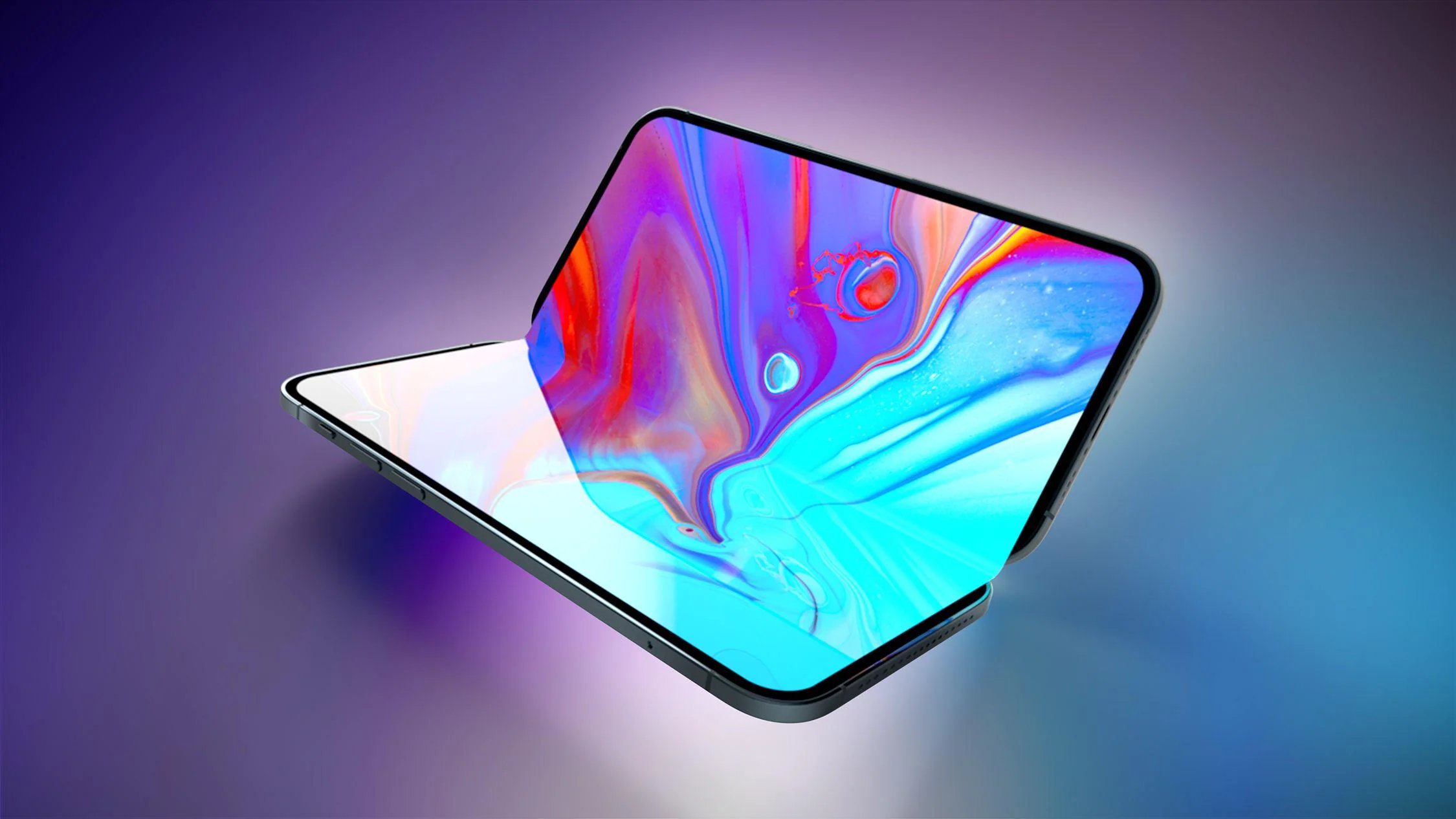
Apple’s first foldable iPhone, reportedly called the iPhone Ultra, may not be facing the hinge problem that recently appeared in rumors. A new claim from Weibo based tipster Fixed Focus Digital says the device is not struggling with a rattling hinge. Instead, Apple is reportedly dealing with a production bottleneck tied to the phone’s printed circuit board, which could become a bigger issue if it limits manufacturing capacity.
The report says the problem is linked to Surface Mount Technology, or SMT. This is the process used to place electronic components directly onto a printed circuit board. In modern devices, SMT is critical because it allows manufacturers to fit many tiny components into a compact space. A foldable iPhone would be especially demanding because Apple needs to balance thinness, durability, heat, battery layout, and internal space while still meeting the company’s usual production scale.
The rumored SMT bottleneck matters because Apple needs foldable iPhone production to work at huge scale
The claim suggests Apple is not facing broad manufacturing failure, but rather a specific pre assembly issue that could limit output. That distinction matters. A hinge defect could raise questions about the design itself. A PCB assembly issue may be more solvable, but it can still delay production if Apple and its suppliers cannot reach stable yields quickly.
| Rumored area | Current claim |
|---|---|
| Hinge problem | Tipster says rattling hinge rumor is not accurate |
| Main issue | PCB related SMT production challenge |
| Possible impact | Limited production capacity or launch delay |
| Device name | iPhone Ultra is reportedly being used for Apple’s foldable |
| Rumor confidence | Still unofficial and should be treated carefully |
Apple is also reportedly working on several display related solutions to reduce the crease, which remains one of the biggest challenges for foldable phones. One approach may involve placing the display layer between dual layers of ultra thin glass or ultra thin flexible glass. The folding area could use thinner glass than the rest of the panel to reduce stress during repeated bending.
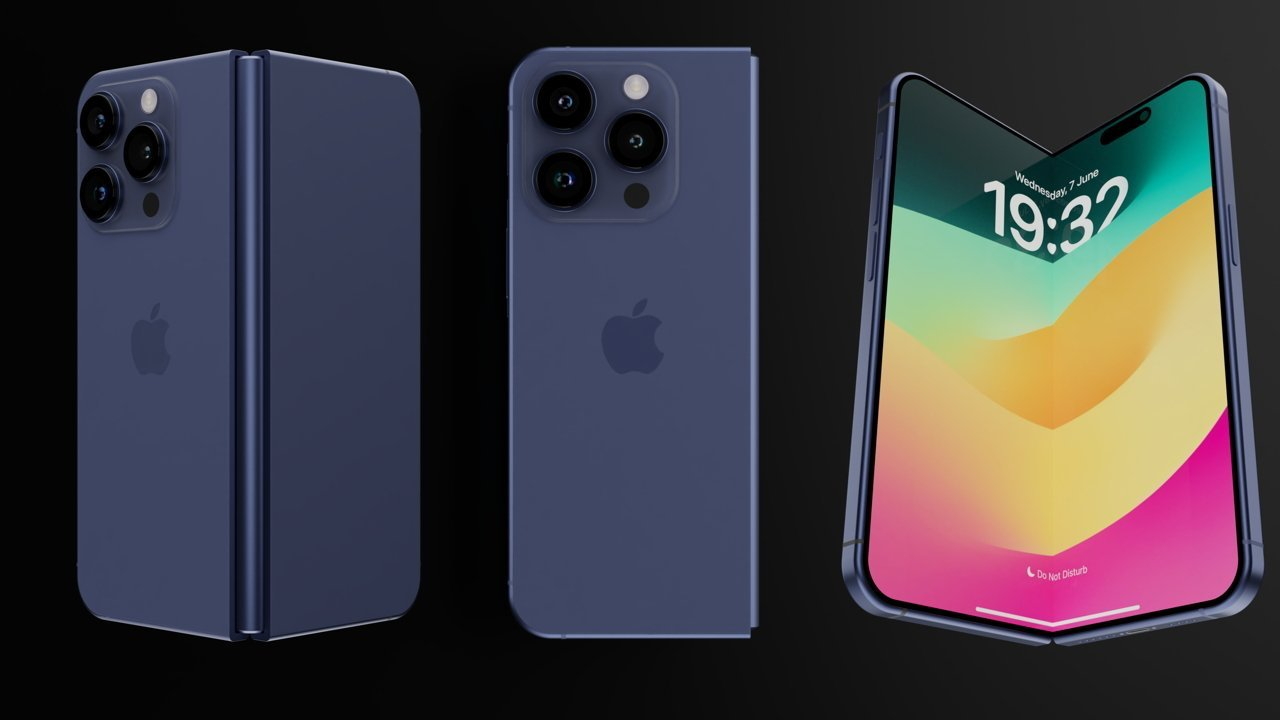
Another rumored part of Apple’s design is optically clear adhesive, which could help stabilize the display layer while staying flexible during slow bends. The adhesive may also help fill tiny cracks that form under stress. Apple is also said to be considering Color Filter on Encapsulation technology for the OLED display. This can replace a thicker polarizer layer with a thinner color filter, helping make the panel lighter, thinner, and more power efficient.
These ideas show why Apple’s foldable project is difficult. The company is not only trying to make a foldable iPhone. It appears to be trying to solve common foldable complaints before launch, including crease depth, display stress, hinge durability, thickness, and long term reliability.
For now, this remains a rumor, not an official Apple announcement. Still, the latest claim changes the focus of concern. The hinge may not be the main problem after all. The harder challenge may be producing the iPhone Ultra’s internal board at the scale and quality Apple needs before it can launch its first foldable phone.



Discussion (0)
Be the first to comment.