



Apple is reportedly testing an artificial intelligence tool that records, transcribes and summarises conversations during Genius Bar appointments.
The feature is called Live Notes and is being tested at a limited number of Apple retail stores. Its main purpose is to reduce the time technicians spend typing notes while helping customers with faulty iPhones, Macs and other Apple products.
Recording only begins when both the customer and the Genius Bar employee agree to participate. The system then creates a transcript and a shorter summary of the conversation. The employee can review and edit the generated summary before adding it to the repair session record on a work iPad.
Apple is not saving the original audio during the current pilot, and store managers reportedly cannot access the full transcripts. However, some employees remain concerned that the system could eventually be used to assess their performance or monitor how they communicate with customers.
| Live Notes feature | Current pilot arrangement |
|---|---|
| Main purpose | Create notes from Genius Bar conversations |
| Recording requirement | Customer and employee must both agree |
| Audio storage | Original recording is reportedly not saved |
| Transcript access | Managers reportedly cannot view transcripts |
| Employee control | Summary can be reviewed and edited |
| Participation | Voluntary during the test |
| Wider release | Not confirmed |
Live Notes could help technicians focus on repairs
Genius Bar employees normally need to document the customer’s problem, troubleshooting steps and possible repair options. Taking those notes during an appointment can divide the technician’s attention between the customer, the device and the work iPad.
Live Notes is intended to automate part of that process. The employee can continue examining the device and discussing the problem while the AI prepares a written record in the background.
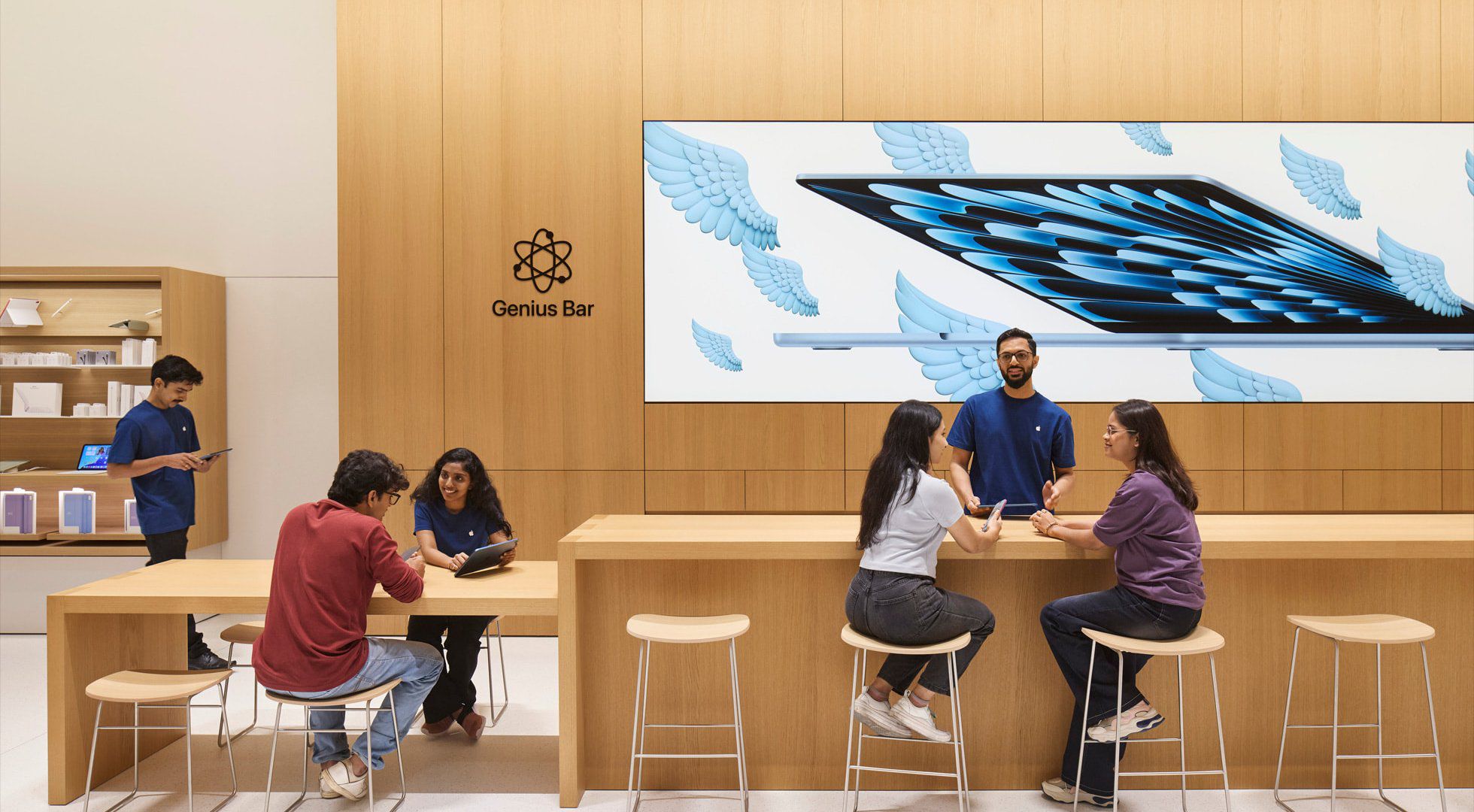
A useful summary could improve the repair process by preserving important information from the appointment. It may also help another technician understand what happened if the device is passed to a different employee or sent away for further work.
The final notes are not automatically accepted without review. Employees can read the AI generated summary and make changes before it becomes part of the repair record. This is important because transcription systems can misunderstand technical terms, product names, accents or conversations taking place in a noisy store.
The tool remains optional during the trial. Either the customer or the employee can refuse permission, and the appointment can continue without being recorded.
Employees worry the tool could become a monitoring system
The main concern is not necessarily how Live Notes works during the pilot. Employees are reportedly more worried about how Apple could use the information if the programme expands.
Detailed transcripts could show how technicians speak to customers, which repair options they discuss and whether they follow company procedures. Workers fear that managers might eventually use this information when reviewing performance, investigating complaints or measuring sales behaviour.
There is no evidence that Apple is currently using Live Notes for those purposes. Managers are reportedly blocked from viewing transcripts during the trial, and the original audio is not retained.
The uncertainty comes from the absence of a permanent public policy. Apple has not explained whether the same restrictions would remain in place if Live Notes were introduced across more stores.
A voluntary note taking tool could become more sensitive if participation later becomes expected or if transcript access is expanded. Clear rules would be needed to explain who can view the information, how long summaries remain stored and whether the records can be used in employee evaluations.
Customer consent does not resolve every privacy question
Customers must agree before recording begins, which provides an important level of control. However, they may still want to know how their information is processed and how long the written summary remains connected to the repair.
Genius Bar conversations can include personal details, account problems and descriptions of information stored on a device. A customer might also discuss private messages, photographs or workplace data while explaining an issue.
Apple has not publicly provided a detailed technical explanation of where Live Notes performs its transcription or which AI models support it. The company has reportedly tested other internal tools for writing assistance and employee access to company information, but it has not confirmed whether Live Notes uses the same technology.
The pilot shows how AI can remove repetitive administrative work from customer support. It also demonstrates why workplace recording tools require narrow permissions and clear limits.
Live Notes could make Genius Bar appointments smoother by allowing technicians to concentrate on the customer and the device. Its wider acceptance will depend on whether Apple keeps participation voluntary and provides lasting protections against the recordings becoming a form of employee surveillance.

Discussion (0)
Be the first to comment.